

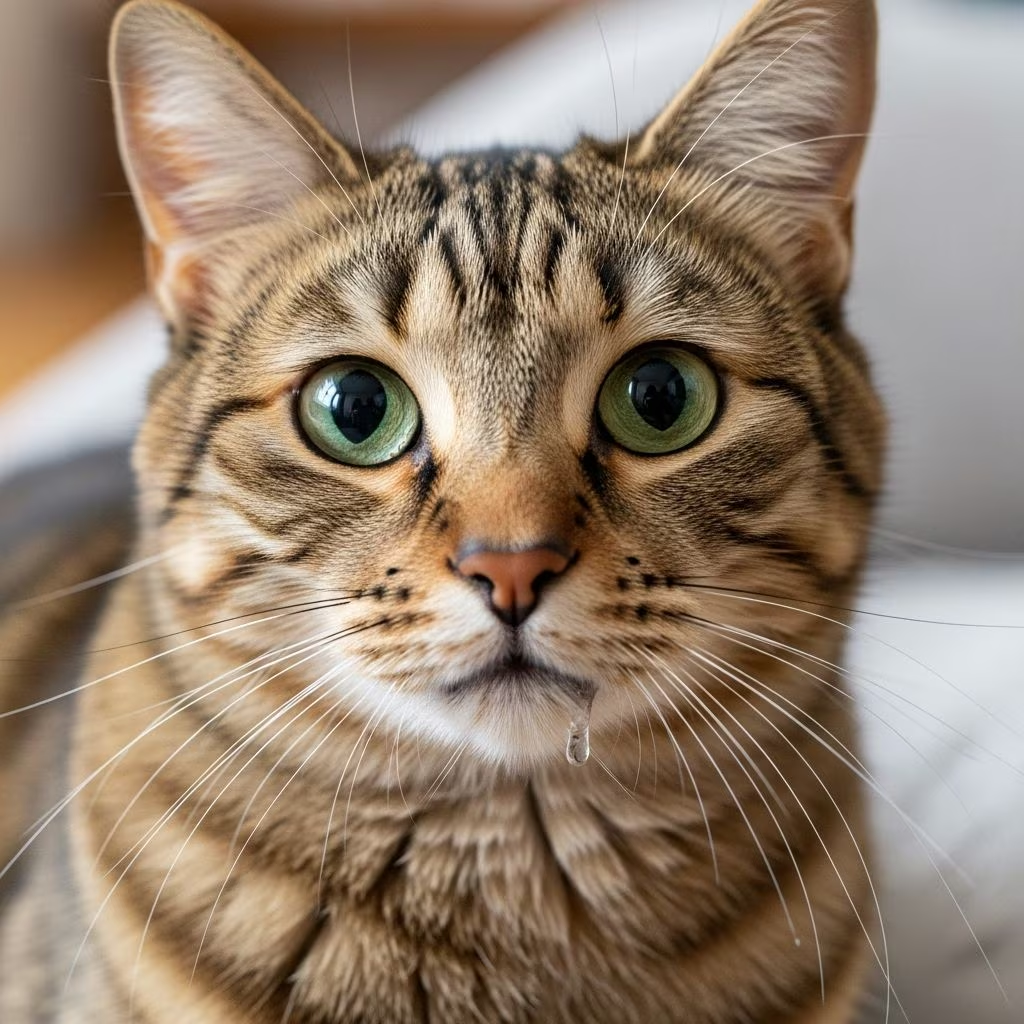
Why Do Cats Drool? A Complete Guide to Feline Salivation
Drooling in cats can range from an endearing sign of contentment to a concerning symptom of an underlying health issue. Unlike dogs, who frequently drool as part of their normal behavior, cats are typically more efficient at managing their saliva production. When you notice your feline companion drooling, it’s important to understand what might be causing it and whether the situation warrants a visit to your veterinarian.
Cats produce saliva just like humans, but they normally swallow it efficiently without visible drooling. Drooling occurs when saliva production increases or when a cat cannot swallow normally. This comprehensive guide will help you understand the various reasons your cat might be drooling, from completely normal behaviors to serious medical conditions that require immediate attention.
Normal Reasons for Cat Drooling
Relaxation and Contentment
One of the most adorable reasons your cat might drool is simply because they’re extremely happy and relaxed. When a cat is purring deeply or kneading, they may produce more saliva as endorphins are released. This type of drooling is typically accompanied by purring, kneading, and other signs of affection. Many cat owners find this behavior heartwarming, and it generally indicates that your cat is in a state of complete comfort and trust.
Some experts theorize that this drooling behavior may be related to nursing instincts from kittenhood. Most cats that drool when happy begin doing so when they’re very young, suggesting a connection to their early development. If your cat only drools during these blissful moments when you’re petting them or they’re settling in for a nap, there’s likely no cause for concern.
Stress and Anxiety
Interestingly, while relaxation can cause drooling, so can stress and anxiety. Just like humans, cats can experience elevated stress levels, and this may trigger excessive drooling. Endorphins released as a stress response can lead to increased saliva production. Common stressful situations for cats include:
- Car rides
- Visits to the veterinarian
- Moving to a new home
- Introduction of new pets or people
- Changes in their environment
- Loud noises or unfamiliar sounds
When cats are anxious, their drooling is usually accompanied by other signs such as vocalizing, flattened ears, and attempts to escape the stressful situation. This type of drooling typically stops once the stressful situation is over. If you notice your cat drooling only during specific anxiety-inducing events, it’s likely a temporary stress response.
Motion Sickness
Just like people, cats can feel queasy, and motion sickness in vehicles often leads to drooling. This may be accompanied by restlessness, meowing, or attempts to get comfortable. If your cat drools primarily during car rides and shows signs of nausea, motion sickness is likely the culprit. You can discuss motion sickness prevention strategies with your veterinarian, including medications or natural remedies that might help your cat feel more comfortable during travel.
Medical Reasons for Cat Drooling
Dental Disease and Oral Problems
One of the most common reasons for excessive cat drooling is dental disease. Problems like gingivitis, periodontal disease, and tooth abscesses can cause significant pain and lead to increased saliva production. Dental disease in cats is a serious concern that often goes unnoticed by owners until the condition becomes advanced.
Signs that dental disease might be causing your cat’s drooling include:
- Bad breath (often a telltale sign)
- Difficulty eating or avoiding hard food
- Pawing at the mouth
- Swelling around the face or jaw
- Reduced grooming behavior
- Loose or discolored teeth
Excessive tartar buildup leads to painful inflammation of the gums (gingivitis) and can even result in mouth ulcers. Additionally, loose teeth that become displaced can make it difficult for your cat to swallow properly. Unfortunately, mouth cancer can cause similar symptoms, and its early stages can be very difficult to differentiate from dental disease without a biopsy. If you suspect dental problems, it’s important to have your veterinarian examine your cat’s mouth.
Foreign Objects in the Mouth
Cats are curious creatures and sometimes explore with their mouths. Occasionally, they may accidentally ingest or get something stuck, such as a piece of string, a small toy, a bone, or a cat biscuit. This can cause significant discomfort and result in drooling. When a foreign object becomes lodged in your cat’s mouth or throat, it typically causes:
- Excessive drooling and pawing at the mouth
- Signs of distress or discomfort
- Difficulty eating or refusal to eat
- Bad breath
- Visible object in the mouth
If you suspect your cat has something stuck in their mouth, gently inspect their oral cavity. However, avoid trying to remove the object yourself if it appears to be deeply embedded, as this could cause injury. Instead, contact your veterinarian immediately for professional extraction.
Mouth Injuries and Ulcers
Cuts, burns, or ulcers inside your cat’s mouth can lead to pain and excessive drooling. Conditions like cat flu, which is a viral infection, can cause mouth ulcers and painful inflammation that triggers increased salivation. These injuries may result from accidents, rough play, or underlying infections. Signs of mouth injuries include:
- Visible cuts or sores in the mouth
- Reluctance to eat
- Excessive drooling sometimes with blood
- Bad breath
- Swollen or red mouth tissue
Any visible mouth injury warrants veterinary attention to prevent infection and manage pain.
Nausea and Gastrointestinal Issues
Cats that are feeling nauseous often drool and lick their lips frequently. This could be due to various reasons, including eating something they shouldn’t have or developing gastrointestinal problems. Stomach upsets such as gastritis (inflammation of the stomach lining) can cause drooling, vomiting, and reduced appetite. Other signs of nausea include:
- Excessive lip licking
- Loss of appetite
- Vomiting or gagging
- Lethargy
- Hunched posture
If your cat’s drooling is accompanied by vomiting or loss of appetite, it may indicate a gastrointestinal problem or nausea that requires veterinary evaluation.
Toxin and Poison Exposure
Excessive drooling can be caused by contact with toxins or poisons such as certain plants, chemicals, and medications. Toxin exposure often causes sudden, excessive drooling in cats. Common household toxins include certain plants (like lilies and sago palms), cleaning products, pesticides, and medications. When a cat contacts toxins, they may drool while showing additional symptoms like:
- Vomiting or gagging
- Disorientation or confusion
- Loss of appetite
- Weakness or lethargy
- Tremors or seizures
If you think your cat has come into contact with something toxic, it’s crucial to contact your veterinarian immediately or call the Pet Poison Helpline at 1-855-764-7661. Quick veterinary help is essential to prevent lasting damage or death.
Medication Side Effects
Some medications prescribed for your cat may cause drooling as a side effect. Liquid medications or bitter-tasting pills frequently cause cats to drool excessively. If your cat’s drooling began after starting a new medication, discuss this side effect with your veterinarian. They may be able to adjust the dosage, switch to a different medication, or provide strategies to minimize the drooling.
Systemic Health Conditions
Certain systemic diseases can manifest as drooling. Kidney disease and liver problems can cause drooling due to toxins building up in the body. These conditions typically present with additional symptoms including:
- Weight loss or weight gain
- Lethargy or weakness
- Changes in appetite
- Increased thirst and urination
- Bad breath
If your cat is drooling along with these other symptoms, a veterinary examination and blood work may be necessary to diagnose systemic disease.
Respiratory Infections and Other Serious Conditions
Upper respiratory infections can cause drooling, particularly if they involve inflammation of the mouth or throat. More serious conditions that can cause excessive drooling include:
- Oral tumors or cancer
- Seizures (drooling is common before, during, and after seizures)
- Heatstroke or heat exhaustion
- Rabies (in unvaccinated cats)
- Feline immunodeficiency virus (FIV)
- Feline leukemia virus (FeLV)
- Feline herpesvirus
- Acid reflux
- Difficulty swallowing (which can cause saliva buildup)
These serious conditions typically present with additional symptoms and require immediate or urgent veterinary attention.
When to Seek Veterinary Care
Warning Signs Requiring Immediate Attention
Certain symptoms accompanying drooling indicate a veterinary emergency and require immediate care:
- Sudden onset of excessive drooling
- Facial swelling or puffiness
- Breathing difficulties or labored breathing
- Pawing at the mouth persistently
- Blood in the saliva
- Vomiting or inability to eat
- Loss of appetite lasting more than a few hours
- Lethargy or weakness
- Foaming at the mouth
- Drooling lasting more than a few hours
- Signs of severe distress or pain
If your cat exhibits any of these symptoms, contact your veterinarian or emergency animal hospital immediately.
When to Schedule a Regular Veterinary Visit
Even if the drooling doesn’t seem to be an emergency, you should schedule a veterinary appointment if:
- Drooling is a new behavior for your cat
- The drooling is more excessive than usual
- It’s accompanied by bad breath
- Your cat is avoiding eating or has reduced appetite
- Drooling persists for more than a day or two
- Your cat shows other signs of illness
Comparing Normal vs. Concerning Drooling
| Characteristic | Normal Drooling | Concerning Drooling |
|---|---|---|
| Duration | Brief, during relaxation or sleep | Persistent or sudden onset |
| Associated Behaviors | Purring, kneading, contentment | Lethargy, loss of appetite, vomiting |
| Appearance | Clear, thin saliva | Thick, foamy, or bloody saliva |
| Odor | No distinct odor | Bad breath or foul smell |
| Mouth Condition | Healthy-looking gums and teeth | Redness, swelling, or visible damage |
| Overall Health | Normal eating, activity, and behavior | Changes in eating, activity, or behavior |
Home Care and Prevention
Dental Health Management
Since dental disease is one of the most common causes of cat drooling, maintaining good oral health is crucial. Regular dental check-ups with your veterinarian can help catch problems early. Some cats benefit from professional dental cleanings, and your vet may recommend at-home dental care routines.
Environmental Stress Reduction
For cats prone to anxiety-related drooling, creating a calm environment can help. Use pheromone diffusers or sprays, provide hiding spots, and maintain a consistent routine. Your veterinarian may also recommend supplements or anxiety medications for cats that experience severe stress.
Toxin Prevention
Keep household toxins out of reach, including toxic plants, cleaning products, and medications. Be aware of common feline toxins and ensure they’re stored securely.
Temperature Management
Heatstroke can cause excessive drooling and is a medical emergency. Ensure your cat always has access to fresh water, shade, and cool environments, especially during warm months.
Frequently Asked Questions About Cat Drooling
Q: Is it normal for cats to drool while sleeping?
A: Yes, some cats drool lightly while deeply asleep or when they’re in a state of complete relaxation. This is typically normal, especially if it’s accompanied by purring or occurs during peaceful sleep.
Q: What should I do if my cat is drooling with facial swelling?
A: Facial swelling combined with drooling can indicate an allergic reaction or serious infection. This is a veterinary emergency, and you should seek immediate veterinary care, as these conditions can affect your cat’s ability to breathe.
Q: Can stress really cause cats to drool excessively?
A: Yes, stress and anxiety can trigger excessive drooling in cats due to the release of endorphins as a stress response. This is typically temporary and resolves once the stressful situation passes.
Q: How can I tell if my cat’s drooling is related to dental disease?
A: Drooling from dental disease is usually accompanied by bad breath, difficulty eating (especially hard food), pawing at the mouth, and visible changes to the teeth or gums. If you notice these signs, schedule a veterinary exam.
Q: Is drooling a sign of rabies in cats?
A: Excessive drooling can be a symptom of rabies, but this is typically accompanied by other serious symptoms like aggression, neurological signs, and behavior changes. Rabies is rare in vaccinated cats. If you suspect rabies exposure, seek immediate veterinary care and avoid direct contact.
Q: When should I call my veterinarian about cat drooling?
A: Call your veterinarian if the drooling is sudden, excessive, persistent, accompanied by other symptoms, or if your cat shows signs of distress, pain, or illness. When in doubt, it’s always better to contact your vet for guidance.
Q: Can medications cause cats to drool?
A: Yes, some medications, particularly liquid formulations or bitter-tasting pills, can cause cats to drool. If you suspect a medication is causing drooling, discuss this with your veterinarian before making any changes.
Q: What is the difference between normal drooling and hypersalivation?
A: Normal drooling is brief, occurs during relaxation, and is often accompanied by purring. Hypersalivation (excessive drooling) is persistent, may be accompanied by other symptoms, and often indicates an underlying medical condition requiring veterinary attention.
References
- Why is My Cat Drooling So Much? — Harlingen Veterinary Clinic. Accessed 2025-11-28. https://harlingenveterinaryclinic.com/blog/why-is-my-cat-drooling-so-much/
- Drooling in cats — PDSA (People’s Dispensary for Sick Animals). Accessed 2025-11-28. https://www.pdsa.org.uk/pet-help-and-advice/pet-health-hub/symptoms/drooling-in-cats
- Why Is My Cat Drooling? — PetMD. Accessed 2025-11-28. https://www.petmd.com/cat/symptoms/why-my-cat-drooling
- Cat Drooling Explained: When It’s Normal and When to Worry — Loving Care Animal Hospital. Accessed 2025-11-28. https://www.lovingcareanimalhospital.net/cat-drooling-explained/
- Why Your Cat Is Drooling — Wag! Accessed 2025-11-28. https://wagwalking.com/cat/condition/hypersalivation
- Is Your Cat Drooling? Discover the Causes and Solutions! — Cane Bay Veterinary Clinic. Accessed 2025-11-28. https://canebayvetclinic.com/is-your-cat-drooling-discover-the-causes-and-solutions/
- Cat Drooling: Is It a Veterinary Emergency? — Golden State Veterinary Society. Accessed 2025-11-28. https://gsvs.org/blog/cat-drooling-emergency/



