

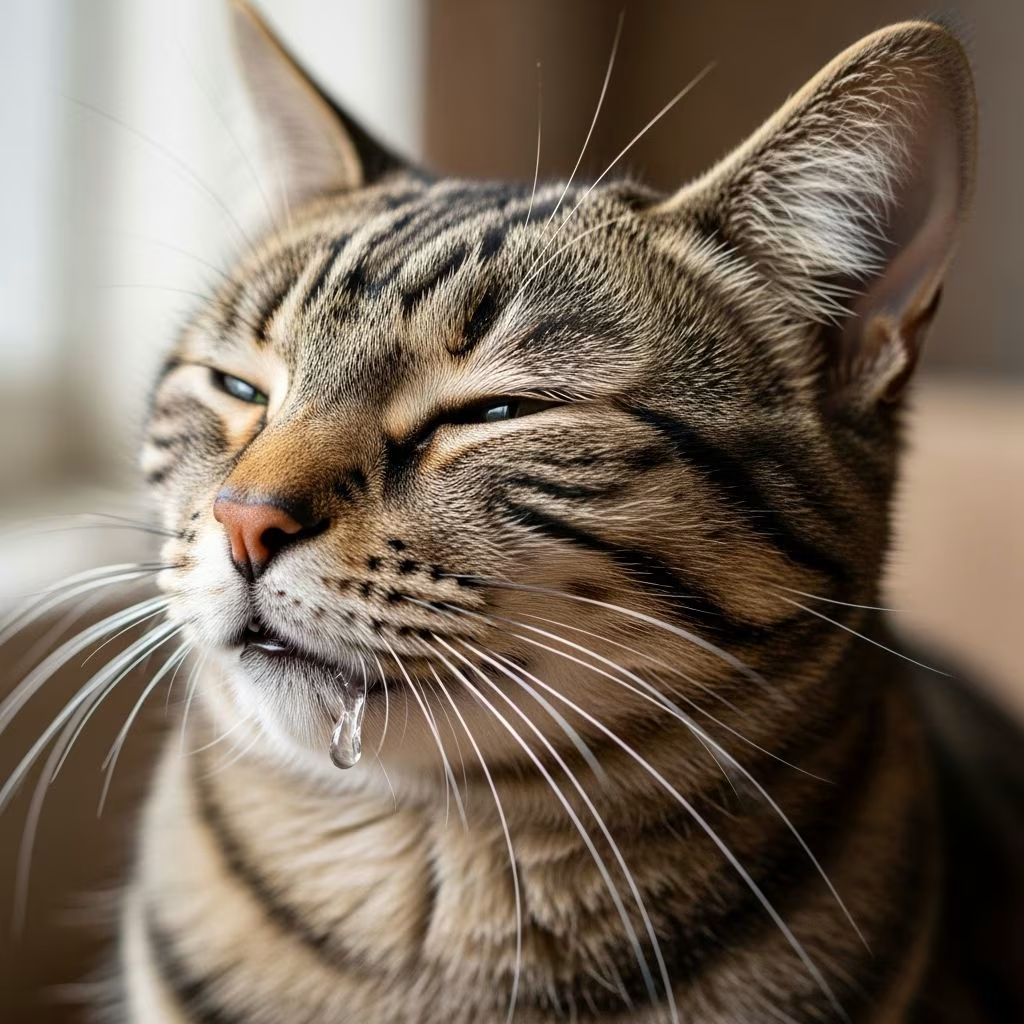
Cats drooling while purring is a common sight for many pet owners, often occurring during moments of apparent bliss like petting sessions or cuddling. This behavior can be endearing, but it raises questions: Is it always harmless, or could it signal something more serious? Understanding the reasons behind cat drooling when purring helps distinguish between normal feline quirks and potential health issues. This comprehensive guide explores the science, common causes, and when to seek veterinary advice, drawing from veterinary insights and behavioral observations.
Is It Normal for Cats to Drool When They Purr?
Yes, it is perfectly normal for many cats to drool when they purr, especially during states of deep relaxation or happiness. This phenomenon, sometimes called “happy drooling,” happens because purring triggers endorphin release, which stimulates saliva production in the glands. The relaxed state loosens the jaw muscles, allowing a small amount of clear saliva to escape. Kittens often drool while nursing from their mother, kneading and purring in contentment—a behavior that some adult cats retain as a comforting association.
Observe your cat’s body language: half-closed eyes, kneading paws, and gentle head rubs indicate pure joy. A little dribble or saliva bubbles during these moments is harmless and even a compliment to your bonding efforts. However, if drooling is excessive, persistent, or paired with distress signals, it warrants closer attention.
Why Do Cats Drool When Purring? Top Reasons Explained
Several factors contribute to drooling during purring. Here’s a breakdown of the primary causes:
- Relaxation and Happiness: The most frequent reason. Endorphins from purring and physical affection overstimulate salivary glands, mimicking nursing responses from kittenhood.
- Muscle Relaxation: Purring relaxes facial muscles, causing minor saliva leakage without swallowing.
- Excitement or Anticipation: Some cats drool when smelling food or during play, combining purring with eager saliva production.
These benign causes typically involve small amounts of clear saliva and stop when the purring ceases.
Medical Reasons Why Cats Drool When Purring
Not all drooling is joyful. Cats are masters at hiding pain, so drooling during purring might mask underlying issues. Veterinary sources highlight these medical culprits:
- Dental and Oral Problems: Gingivitis, periodontal disease, tooth resorption, fractures, or stomatitis cause pain, leading to hypersalivation (ptyalism). Cats may drool to soothe irritated tissues.
- Mouth Injuries or Foreign Objects: Stuck debris, cuts, burns, or ulcers prompt excessive saliva as a protective response.
- Nausea and GI Issues: Motion sickness, kidney disease, or dietary indiscretions trigger drooling alongside purring if the cat is trying to self-soothe.
- Toxins and Poisons: Ingestion of plants, chemicals, or human meds irritates the mouth or induces nausea, causing drooling.
- Systemic Diseases: Kidney failure, liver issues, or oral tumors can manifest as drooling, often with weight loss or lethargy.
- Stress or Anxiety: Paradoxically, stress releases endorphins too, leading to drool during anxious purring (e.g., car rides).
A table summarizing key differences:
| Normal Drooling | Concerning Drooling |
|---|---|
| Clear saliva, small amounts | Thick, bloody, or excessive |
| During petting/purring only | Constant or random |
| Relaxed body language | Pawing mouth, hiding, bad breath |
| Appetite normal | Eating difficulties, weight loss |
Signs Your Cat’s Drooling Needs Vet Attention
Monitor for red flags that elevate drooling from quirky to concerning:
- Bad breath or discolored teeth/gums
- Pawing at the mouth or head shaking
- Refusal to eat hard food or dropping kibble
- Swollen face, bleeding gums, or visible ulcers
- Lethargy, vomiting, diarrhea, or weight loss
- Sudden onset or increased frequency
- Drooling with flattened ears, hissing, or hiding
If toxin exposure is suspected, contact a pet poison hotline immediately (e.g., ASPCA at 888-426-4435 or Pet Poison Helpline at 855-764-7661). Early dental exams can prevent escalation—over 70% of cats over age 3 have dental disease per veterinary studies.
When to See a Vet for Cat Drooling
Consult a vet promptly if drooling persists beyond happy moments or accompanies symptoms listed above. A thorough oral exam under sedation may be needed, as cats resist mouth inspections. Diagnostics could include bloodwork for kidney function, X-rays for tumors, or toxin screening.
Preventive care like annual dental check-ups and tooth-brushing with cat-safe paste reduces risks. For stress-related drooling, pheromone diffusers or anxiety aids help.
How to Stop Cat Drooling: Prevention and Home Care
While you can’t “stop” happy drooling, address medical causes:
- Dental Hygiene: Brush teeth daily, use dental treats, or professional cleanings.
- Diet: Feed dental health kibble to reduce plaque.
- Environment: Minimize toxins; cat-proof plants and chemicals.
- Stress Reduction: Provide hiding spots, playtime, and calm car rides with covers.
- Monitor Health: Regular vet visits catch issues early.
For bliss drooling, keep towels handy—it’s a sign of love!
Frequently Asked Questions (FAQs)
Why does my cat drool when I pet him?
It’s usually from extreme relaxation and endorphin release during purring, akin to kitten nursing.
Should I worry if my cat drools while sleeping?
Mild drooling during sleep is normal if the cat seems content; excessive amounts with snoring or breathing issues need a vet check.
Can stress cause drooling in purring cats?
Yes, anxiety triggers endorphins too, leading to drool with tense body language.
Is cat drooling a sign of poisoning?
Often yes—accompanied by vomiting or lethargy. Call poison control immediately.
How do I check for dental problems causing drool?
Look for bad breath, pawing, or eating changes; schedule a vet dental exam.
This guide equips you to interpret your cat’s drool confidently. Cherish the happy dribbles, but stay vigilant for health signals.
References
- Cat Drooling When Purring – Understanding Why — Whiskas. 2023. https://www.whiskas.co.uk/blog/behaviour/cat-drooling-when-purring
- Why Is My Cat Drooling? — PetMD. 2024-05-15. https://www.petmd.com/cat/symptoms/why-my-cat-drooling
- Is Your Cat Drooling? Uncover the Reasons and Solutions! — Central Kentucky Vet. 2024-12-26. https://centralkentuckyvet.com/2024/12/26/is-your-cat-drooling-uncover-the-reasons-and-solutions/
- Cat Drooling: When It’s Normal and When It’s Not — Pine Grove Veterinary Hospital. 2023. https://www.pinegroveveterinaryhospital.ca/news/cat-drooling-when-it-s-normal-and-when-it-s-not
- Cat Drooling Explained: When It’s Normal and When to Worry — Loving Care Animal Hospital. 2024. https://www.lovingcareanimalhospital.net/cat-drooling-explained/



