

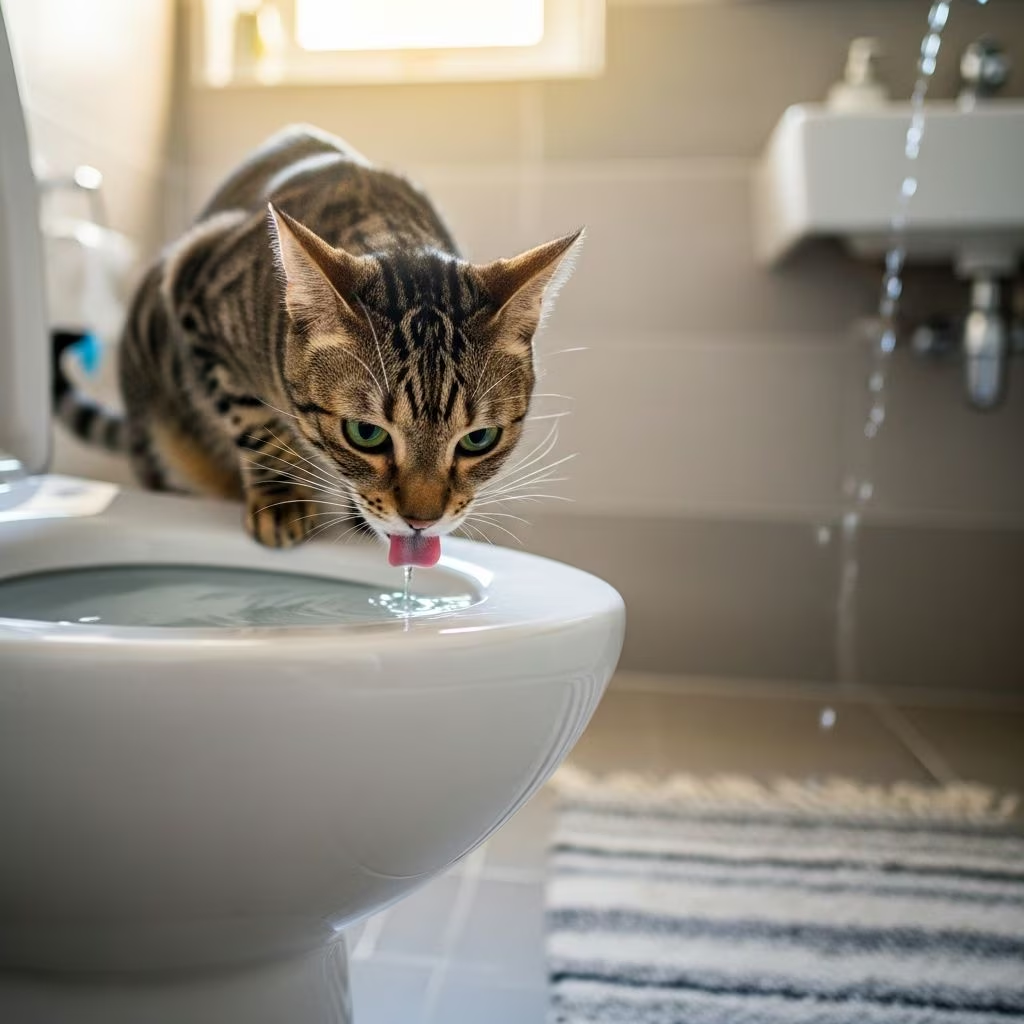
Cats drinking from the toilet is a common yet puzzling behavior that many pet owners encounter. While it might seem amusing at first, this habit can expose your feline friend to serious health risks. Understanding the root causes—ranging from instinctual preferences to potential medical issues—is crucial for addressing it effectively. This article delves into the six primary reasons cats are drawn to toilet water, the dangers involved, and practical, vet-approved strategies to encourage healthier drinking habits.
The 6 Reasons Why Cats Drink Out of the Toilet
Before implementing any changes, it’s essential to grasp why your cat is attracted to the toilet bowl. Cats’ preferences for water sources often stem from their evolutionary instincts and sensory perceptions. Here are the six most common explanations:
- They Don’t Think of it as a Toilet
Many cats do not associate the toilet with waste elimination like humans do. To them, it’s simply a large, accessible porcelain fountain filled with water, making it an inviting hydration spot rather than a litter box equivalent. - Cooler Water
Porcelain toilets maintain a cooler temperature for the water compared to plastic, glass, or ceramic bowls, which can warm up quickly in room conditions. Cats naturally gravitate toward this refreshing chill, especially on warmer days. - Fresh Water
Toilet water often feels fresher to cats due to constant flushing, which oxygenates it and mimics natural stream flow. Stagnant bowl water, even if clean, lacks this appeal and may develop a flat taste or slight odor over time. - Pure Fascination
Cats’ curiosity drives them to investigate moving water, such as the swirling motion during flushes or subtle ripples. This play-like interest can evolve into lapping at the water, especially if your cat enjoys faucets or puddles elsewhere. - Running or Flowing Water Instinct
In the wild, cats prefer moving water sources like streams, which are less likely to stagnate and harbor bacteria. The toilet’s occasional refills and subtle movements trigger this ancestral preference, enhanced by their whiskers detecting flow. - Health Issues
Excessive thirst, known as polydipsia, signals conditions like diabetes, kidney disease, hyperthyroidism, or infections. Cats with these issues seek water from any source, including toilets, and may show increased urination or other symptoms.
What’s Wrong With Letting Your Cat Drink From the Toilet?
While toilet water might quench your cat’s thirst temporarily, the risks far outweigh any convenience. Toilets are breeding grounds for pathogens and chemicals that can harm your pet’s health.
- Bacterial Contamination: Toilets harbor dangerous bacteria like E. coli, Staphylococcus, Streptococcus, and Salmonella. Studies show bacterial levels in home toilets can exceed EPA limits for public restrooms by over 100 times, leading to gastrointestinal infections, vomiting, or worse.
- Chemical Exposure: Cleaner residues, bleach tablets, or hanging deodorizers contain toxins like bleach and detergents. Ingestion can cause mild irritation to severe poisoning, affecting the mouth, stomach, or kidneys.
- Parasites and Debris: Contaminated water may carry parasites or small objects posing choking hazards or intestinal blockages.
- Long-Term Health Impacts: Repeated exposure weakens immunity, potentially exacerbating underlying conditions like those causing polydipsia.
Humidity and warmth from bathrooms further promote bacterial growth, making toilets ideal pathogen hotspots.
How to Stop Your Cat From Drinking Toilet Water
Preventing this behavior requires addressing the underlying attractions while providing superior alternatives. Start by ruling out medical causes with a vet visit if thirst seems excessive.
Provide Fresh, Appealing Water Sources
- Change water 2–3 times daily to keep it fresh and oxygenated.
- Use a cat water fountain: The constant flow mimics natural streams, satisfying their running water preference.
- Opt for porcelain, glass, or stainless steel bowls that stay cool; avoid plastic, which can retain odors.
- Place bowls in quiet, low-traffic areas away from food, with good lighting for visibility—cats prefer reflective, well-lit surfaces.
Make the Toilet Less Accessible
- Keep bathroom doors closed or install a cat-proof lid lock.
- Use pet-safe cleaners and avoid in-bowl chemicals; flush regularly to refresh without additives.
Enhance Environmental Enrichment
If fascination drives the behavior, provide alternatives like interactive toys, window perches, or puzzle feeders to redirect curiosity.
| Factor | Water Bowl | Toilet |
|---|---|---|
| Temperature | Warms quickly (plastic) | Stays cool (porcelain) |
| Freshness | Stagnant unless changed often | Oxygenated by flushes |
| Movement | Still | Flowing/rippling |
| Safety | Clean & controlled | Bacteria & chemicals |
| Accessibility | Easy to optimize | Always available |
Understanding Cat Hydration Needs
Cats have a low thirst drive compared to dogs, evolved from desert ancestors, making proper hydration vital to prevent urinary issues like crystals or blockages. Aim for 3.5 ounces of water per 5 pounds of body weight daily, more for wet food eaters or hot weather. Fountains boost intake by up to 20–30% in some studies. Monitor for signs of dehydration: tacky gums, lethargy, or skin tenting.
When to See a Vet
If interventions fail or you notice polydipsia, increased urination, weight loss, vomiting, or lethargy, consult a veterinarian immediately. Bloodwork can diagnose diabetes, kidney disease, or hyperthyroidism early, improving outcomes.
Frequently Asked Questions (FAQs)
Is toilet water really dangerous for cats?
Yes, due to bacteria like E. coli and chemicals from cleaners, it can cause infections or poisoning.
Why does my cat prefer the toilet over their bowl?
Toilet water is cooler, fresher, and moving, aligning with cats’ instincts for safe, flowing sources.
Will a water fountain stop my cat from drinking toilet water?
Often yes, as it provides running water safely; combine with fresh changes for best results.
Can health problems cause sudden toilet drinking?
Absolutely—polydipsia from diabetes or kidney issues prompts seeking any water source.
How often should I change my cat’s water bowl?
At least twice daily, more in warm weather, to mimic toilet freshness.
References
- Cat Drinking Toilet Water: Understanding the Behavior and How to Stop It — UAH Pet. 2023-05-15. https://www.uahpet.com/blogs/post/cat-drinking-toilet-water-understanding-the-behavior-and-how-to-stop-it
- Why is My Cat Drinking From the Toilet? — FullBucket Health. 2024-02-20. https://www.fullbuckethealth.com/blogs/news/why-is-my-cat-drinking-from-the-toilet
- Why Does my Cat Drink From the Toilet? — Cat Behavior Associates. 2023-08-10. https://catbehaviorassociates.com/why-does-my-cat-drink-from-the-toilet/
- Why Do Cats Drink Out of the Toilet? 6 Reasons & Vet-Reviewed — Catster. 2024-11-12. https://www.catster.com/cat-behavior/why-do-cats-drink-out-of-the-toilet/
- Why does my cat always drink from the sink/toilet/tap/puddle? — Sure PetCare. 2023-07-05. https://www.surepetcare.com/en-us/advice-news/cat-care/cat-hydration/why-does-my-cat-always-drink-from-the-sink-toilet-tap-or-puddle



