

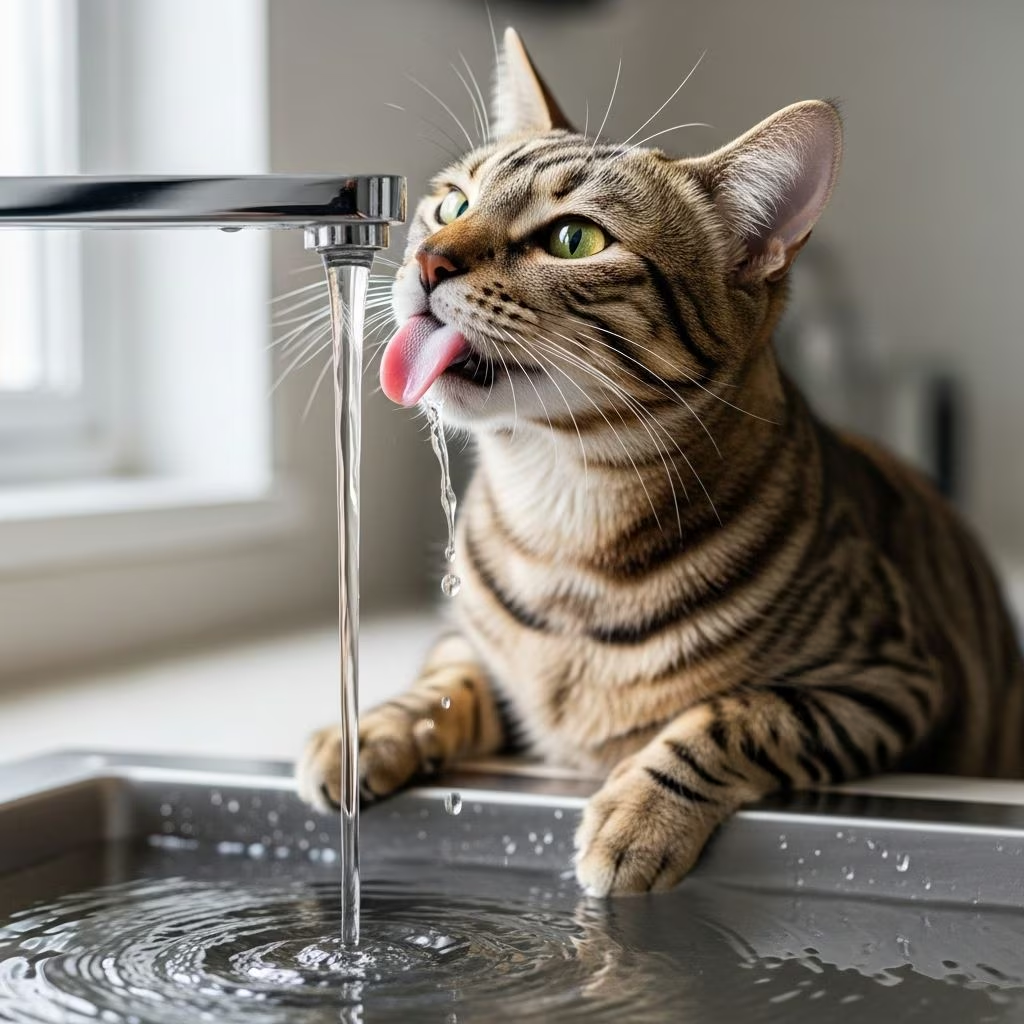
Why Do Cats Drink From Faucets? Understanding This Common Behavior
If you’ve ever noticed your cat ignoring a perfectly fresh bowl of water in favor of drinking from the bathroom faucet or kitchen sink, you’re not alone. This behavior is surprisingly common among feline companions, and while it might seem quirky, there are actually several legitimate reasons behind it. Understanding your cat’s water preferences can help you ensure they stay properly hydrated while addressing any underlying issues that might be affecting their health and wellness.
How Much Water Should Your Cat Drink Daily?
Before diving into why your cat might prefer faucet water, it’s important to understand their baseline hydration needs. The amount of water your cat should drink depends on several factors, including their diet, age, activity level, and the environment they live in.
According to veterinary guidelines, a general rule of thumb is that your cat’s water intake in milliliters should roughly match their caloric intake. For example, a cat consuming 200 calories per day should ideally drink around 200 milliliters of water daily. However, this calculation can vary significantly based on diet type.
Cats on wet food diets naturally consume more water through their food, so they may require less additional water intake compared to cats eating only dry kibble. If you have concerns that your cat isn’t drinking enough water, especially if this is accompanied by other unusual symptoms or behavioral changes, consult your veterinarian promptly.
Why Your Cat Prefers Drinking From the Faucet
Several interconnected reasons explain why your cat might be drawn to running water. Understanding these motivations can help you address the behavior more effectively and ensure your pet maintains optimal hydration.
1. Ancient Instincts and Evolutionary Preferences
Your cat’s preference for running water is deeply rooted in their evolutionary history. Cats are descended from fierce desert hunters who obtained most of their hydration from the prey they consumed. When they needed additional water, they instinctively sought out running water sources like streams, which were cleaner and safer than stagnant water.
In nature, running water is generally fresher and less contaminated with bacteria and parasites compared to standing water. This ancestral preference has been passed down through thousands of years of evolution, and it remains hardwired into your modern house cat’s behavior. Many pet owners have capitalized on this instinct by providing their cats with water fountains that mimic the flowing water their wild ancestors sought.
2. Whisker Fatigue and Sensory Sensitivity
One of the most overlooked reasons cats avoid their water bowls is a condition known as whisker fatigue. This occurs when a cat’s whiskers are overstimulated by repeated contact with the sides of their food or water bowl. Whiskers are highly sensitive sensory organs that send detailed messages to the brain about their environment. When these messages become too frequent or intense, cats can become agitated and refuse to use their regular bowls.
Drinking from a faucet eliminates this problem entirely, as your cat can drink without their whiskers touching any restrictive surfaces. If you suspect whisker fatigue might be affecting your cat’s bowl use, try switching to wider, shallower bowls or open containers that don’t restrict whisker movement. This simple change can sometimes resolve the faucet-drinking behavior entirely.
3. Water Bowl Location and Placement Issues
The location of your cat’s water bowl plays a surprisingly significant role in their willingness to drink from it. While this preference varies from cat to cat, many felines prefer to drink in locations separate from their food bowls. Some cats also dislike drinking in areas where they share space with other household cats.
According to feline behavior experts, water bowls should be placed in low-traffic, quiet spots away from high activity areas. Ideally, the bowl should not be positioned next to the litter box or the cat’s regular food bowl, as these placements can deter drinking. If you want to discourage faucet drinking, try offering multiple water bowls or fountains throughout your home in strategic locations that satisfy your cat’s preference for privacy and separation from their food area.
4. Bowl Cleanliness and Water Freshness
Just like humans, cats don’t enjoy drinking stale water from dirty containers. Your cat might be turning up her nose at her bowl and heading to the faucet because the water has become stale, the bowl contains residue, or the water simply doesn’t smell fresh enough for your cat’s sensitive nose.
Cats have extremely sensitive olfactory systems, so even slight changes in water smell can deter them from drinking. To maintain a fresh, appealing water source, veterinarians recommend cleaning your cat’s water bowl thoroughly every one to two days using hot water and dish soap. When refilling, use room temperature water rather than cold water, as room temperature water has a more appealing taste to cats. Always fill the bowl to the brim to maximize freshness and appeal.
The Science Behind Cats’ Attraction to Running Water
Beyond the reasons listed above, running water appeals to cats for several biological and sensory reasons:
Perceived Cleanliness: Running water is naturally perceived as cleaner and fresher than still water. Stagnant water can harbor bacteria, algae, and slime, while flowing water continuously refreshes itself.
Enhanced Aroma: Water that circulates and moves stays fresher longer and maintains a cleaner scent profile. Still water can develop unpleasant odors quickly, which cats can detect long before humans notice.
Visual and Auditory Stimulation: The sight of water flowing and glistening as it falls, combined with the sound it makes, provides sensory enrichment that stationary bowls cannot offer. This stimulation is inherently interesting to cats and provides mental engagement.
Playful Interaction: While cats typically dislike being drenched, many enjoy the interactive experience of batting at running water or sticking their heads under a faucet. This playful engagement adds an entertainment component to hydration.
Should You Stop Your Cat From Drinking From the Faucet?
If your cat isn’t displaying other behavioral changes or health concerns, there’s no inherent harm in allowing her to drink from the faucet. The primary goal is ensuring your cat maintains adequate hydration, regardless of the water source. However, if you prefer to discourage this behavior or want to reduce water waste, consider these strategies:
Install a Water Fountain: Start by placing a quality water fountain near your cat’s preferred sink or bathtub. This mimics the running water conditions she enjoys while keeping hydration controlled and contained.
Gradually Relocate: Once your cat begins using the fountain, slowly move it to a more convenient location within your home. Move it incrementally so your cat continues to use it while you guide the behavior to your preferred location.
Monitor Hydration: Regardless of your cat’s water source, monitor her overall water consumption and watch for changes in drinking habits or other behavioral shifts that might indicate health concerns.
Choosing the Right Water Fountain for Your Cat
If you decide to redirect your cat’s faucet-drinking behavior toward a fountain, material selection matters significantly:
Stainless Steel: This is the preferred material for cat water fountains. It’s durable, easy to clean, resists bacterial growth, and doesn’t scratch easily like plastic alternatives.
Ceramic: Ceramic fountains are also excellent choices, as they’re non-porous and resist bacterial colonization.
Avoid Plastic: Plastic fountains scratch easily, potentially harboring bacteria in the grooves. They also tend to develop odors more quickly and may leach chemicals if not labeled as BPA-free.
Maintain your chosen fountain by cleaning it regularly (2-3 times weekly is ideal) and replacing filters according to manufacturer recommendations. In areas with hard water, mineral deposits can accumulate quickly, so more frequent cleaning may be necessary.
Common Reasons Cats Reject Water Fountains
If you’ve purchased a fountain only to have your cat ignore it in favor of the faucet, several factors might be at play:
Poor Maintenance: The most common reason cats reject fountains is inadequate cleaning. If the water smells off or tastes slimy, your cat will notice immediately and refuse to use it.
Whisker Contact: Some fountain designs have surfaces too close to where a cat’s whiskers contact during drinking. Observe your cat’s drinking posture and select a fountain design that accommodates their natural drinking position.
Water Type: The type of water used in the fountain matters to some cats. Some prefer purified water over spring water or tap water. Experiment with different water types to identify your cat’s preference.
Noise Preferences: Some cats are attracted specifically to the auditory component of faucet water. If your fountain operates silently, your cat might find it less appealing. Look for fountains with slightly noisier operation if this appears to be the issue.
Wear and Tear: Over time, fountains can become worn, discolored, or develop an unpleasant odor. Plastic fountains are particularly susceptible to this degradation. If your fountain is older or showing visible wear, replacement might be necessary.
Signs Your Cat Needs More Water
Regardless of whether your cat drinks from a faucet or a bowl, watch for these signs of potential dehydration:
- Lethargy or decreased activity
- Dry gums or sticky saliva
- Sunken eyes
- Loss of appetite
- Decreased or dark urine
- Skin that doesn’t bounce back when gently pulled
If you notice any of these symptoms, contact your veterinarian promptly, as dehydration can indicate underlying health issues.
Frequently Asked Questions
Q: Is it safe for my cat to drink from the faucet?
A: Generally yes, provided your home’s water is safe for human consumption. However, ensure the faucet is clean and free from bacterial growth. If you have concerns about water quality, install a filter on your faucet or use filtered water in bowls and fountains.
Q: How often should I clean my cat’s water bowl?
A: Veterinarians recommend cleaning your cat’s water bowl every one to two days with hot water and dish soap. This prevents bacterial buildup and keeps the water tasting fresh.
Q: Can whisker fatigue be caused by water fountains?
A: Yes, if the fountain design forces your cat’s whiskers to touch the fountain sides or rim while drinking. Choose fountains with wider surfaces or observe your cat’s drinking position to select an appropriate design.
Q: Why does my cat prefer cold water?
A: Cats often prefer cool, running water because it feels fresher and tastes better. However, room temperature water is actually preferable for some cats, so observe your cat’s preferences and provide what they’ll actually drink.
Q: What’s the best location for my cat’s water bowl?
A: Place water bowls in quiet, low-traffic areas away from food bowls and litter boxes. Some cats prefer multiple bowls throughout the home for convenient access.
Q: Should I be concerned if my cat only drinks from the faucet?
A: Not necessarily, as long as your cat is drinking adequate amounts overall and showing no other signs of illness. Monitor water intake and watch for behavioral or health changes. Consult your vet if you notice any concerns.
References
- Why Does My Cat Like to Drink From the Faucet? — Rover.com. 2024. https://www.rover.com/blog/why-does-my-cat-like-to-drink-from-the-faucet/
- But Choose the Bathroom Faucet Over Their Own Fountain — Sparkle Cat. 2024. https://www.sparklecat.com/special/cats-love-running-water-faucet-over-fountain
- PetMD Cat Water Intake Guidelines — PetMD. 2024. https://www.petmd.com/cats/nutrition/how-much-water-should-cats-drink



