

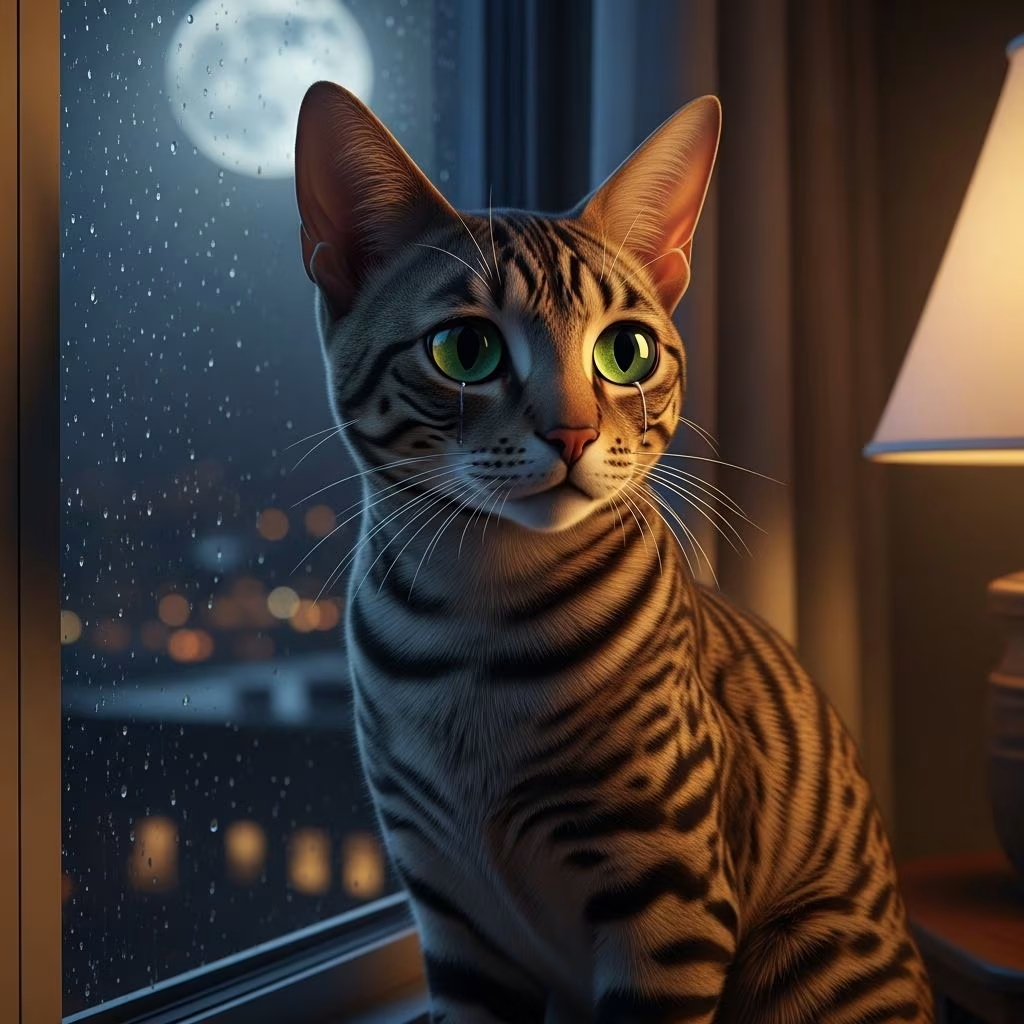
Cats crying at night can disrupt your sleep and signal underlying issues ranging from basic needs to serious health concerns. Understanding the reasons—such as hunger, boredom, stress, aging, or medical conditions—allows you to address them effectively and restore harmony in your home.
Table of Contents
- Introduction
- 7 Common Reasons Cats Cry at Night
- How to Stop Your Cat from Crying at Night
- When to See a Vet
- Frequently Asked Questions
Introduction
The haunting sound of a cat crying at night often pierces the silence, leaving owners puzzled and exhausted. Unlike their daytime purrs, nighttime vocalizations like meowing, yowling, or whining can stem from instinctual behaviors, unmet needs, or health problems. Cats are crepuscular, meaning they’re most active at dawn and dusk, which naturally leads to more noise during quiet hours. However, persistent crying warrants investigation to rule out discomfort or illness.
This guide draws from veterinary insights and behavioral experts to explain why cats cry at night and provides actionable steps to quiet them. By identifying the cause, you can implement targeted solutions like adjusting routines or seeking professional help.
7 Common Reasons Why Cats Cry at Night
Cats communicate vocally for various needs. Nighttime crying amplifies these signals when you’re trying to sleep. Here’s a breakdown of the most frequent causes:
| Reason | Description | Signs to Watch For |
|---|---|---|
| Hunger or Thirst | Cats’ metabolism demands regular meals; an empty bowl triggers insistent meows. | Pawing at empty bowls, pacing near kitchen. |
| Boredom/Lack of Stimulation | Indoor cats with insufficient daytime activity save energy for nocturnal zoomies and cries. | Excessive daytime sleeping, sudden night play demands. |
| Attention-Seeking | Loneliness or habituated responses to past nighttime interactions reinforce crying. | Meows stop when you respond, resume later. |
| Stress or Anxiety | Environmental changes like moves or new pets unsettle cats, peaking at night. | Hiding, dilated pupils, changes in appetite. |
| Mating Instincts (Unspayed Cats) | Females in heat or unneutered males yowl loudly to attract mates. | Rolling, increased affection, spraying. |
| Aging and Cognitive Decline | Senior cats (10+ years) experience confusion akin to dementia, causing disoriented cries. | Forgetting litter box, staring at walls. |
| Medical Issues | Pain from arthritis, hyperthyroidism, or UTIs manifests as nighttime distress calls. | Limp, weight loss, frequent urination. |
1. Hunger or Thirst
If your cat’s last meal is early evening, hunger pangs hit pre-dawn. Cats can’t portion control like humans; they meow to demand fresh food or water. Dehydration from stale bowls exacerbates this. Solution: Use timed automatic feeders for midnight portions, but avoid overfeeding to prevent obesity.
2. Boredom or Lack of Stimulation
Cats need 15-20 minutes of vigorous play twice daily to mimic hunting. Bored indoor cats cry at night from pent-up energy. Interactive toys like feather wands tire them out before bed.
3. Attention-Seeking Behavior
Cats learn that nighttime meows summon you for pets or play. Responding reinforces it. Instead, ignore cries and reward quiet with daytime affection.
4. Stress and Environmental Changes
Sensitive to routines, cats cry during transitions like new homes or family changes. Pheromone diffusers mimic calming scents from nursing mothers, reducing anxiety.
5. Mating Calls in Intact Cats
Unspayed females yowl in heat cycles; males roam and call. Spaying/neutering eliminates 90% of such vocalizations, per ASPCA guidelines.
6. Aging and Cognitive Dysfunction
Older cats suffer from feline cognitive dysfunction (FCD), causing night waking, confusion, and cries similar to human sundowning. Supplements like omega-3s support brain health.
7. Underlying Medical Conditions
Hyperthyroidism boosts metabolism, leading to restlessness and cries. Arthritis pain worsens at night; hypertension causes disorientation. Always vet-check persistent issues.
How to Stop Your Cat from Crying at Night
Targeted strategies based on the cause yield quick results. Consistency is key—cats thrive on predictability.
- Establish a Bedtime Routine: Feed, play (20 mins), then quiet time. Dim lights signal sleep.
- Increase Daytime Activity: Puzzle feeders, cat trees, window perches exhaust energy.
- Optimize Feeding: Split meals; bedtime snack curbs hunger without calories.
- Create a Safe Sleep Space: Cozy bed in quiet, warm spot (21-27°C). Pheromones or your worn clothing comfort.
- Ignore Attention-Seeking: No response to cries; lavish attention when quiet.
- Use Calming Aids: White noise, diffusers, or vet-prescribed anxiety meds.
For multi-cat homes, ensure equal resources to curb territorial cries.
When Nighttime Crying Signals a Vet Visit
Not all cries are behavioral. Red flags include:
- Sudden onset or volume increase.
- Accompanied by lethargy, appetite loss, or litter box issues.
- Weight changes, vomiting, or limping.
Vets diagnose via bloodwork for thyroid/kidney issues, exams for pain. Treatments: Meds for hyperthyroidism, pain relief for arthritis, or FCD diets. Early intervention prevents progression.
Frequently Asked Questions (FAQs)
Q: Why is my new cat crying at night?
A: New cats experience stress from unfamiliar surroundings. Provide hiding spots, play daily, and use pheromones. Adjustment takes 1-4 weeks.
Q: How do I stop attention-seeking meows?
A: Ignore completely at night. Redirect energy to daytime interactions and toys. Consistency breaks the habit in 7-10 days.
Q: Is nighttime crying normal for senior cats?
A: Occasional yes, but frequent cries indicate cognitive decline or pain. Consult a vet for tailored senior care plans.
Q: Will spaying stop my female cat’s yowling?
A: Yes, it eliminates heat-related cries and reduces roaming risks.
Q: What if my cat cries despite changes?
A: Rule out medical issues with a vet exam, including blood tests for thyroid or infections.
Reader Survey: Help Us Improve!
Has your cat cried at night? Vote on the top reason and share tips below!
- Hunger (30%)
- Boredom (25%)
- Age-related (20%)
- Medical (15%)
- Other (10%)
References
- What to do when cats cry at night — Purely Pets Insurance. 2023-05-15. https://www.purelypetsinsurance.co.uk/blogs/what-to-do-when-cats-cry-at-night/
- Cat Meowing at Night? 6 Tips to Stop the Noise — Lady N Pet. 2024-02-10. https://ladynpet.com/us/blog/cat-meowing-at-night/
- 5 Reasons Your Cat Won’t Stop Meowing At Night & How To Stop It — YouTube (Veterinary Secrets). 2022-11-20. https://www.youtube.com/watch?v=1gWWnz8IhHA
- Why Your Cat Meowing at Night & How to Prevent It — Purina UK. 2024-08-01. https://www.purina.co.uk/articles/cats/behaviour/training/cat-meowing-at-night
- Meowing and Yowling — ASPCA. 2023-01-12. https://www.aspca.org/pet-care/cat-care/common-cat-behavior-issues/meowing-and-yowling
- Soothing the Nocturnal Noise: Understanding and Comforting Old Cats Who Meow at Night — Melbourne Cat Vets. 2023-09-05. https://www.melbournecatvets.com.au/post/soothing-the-nocturnal-noise-understanding-and-comforting-old-cats-who-meow-at-night



