

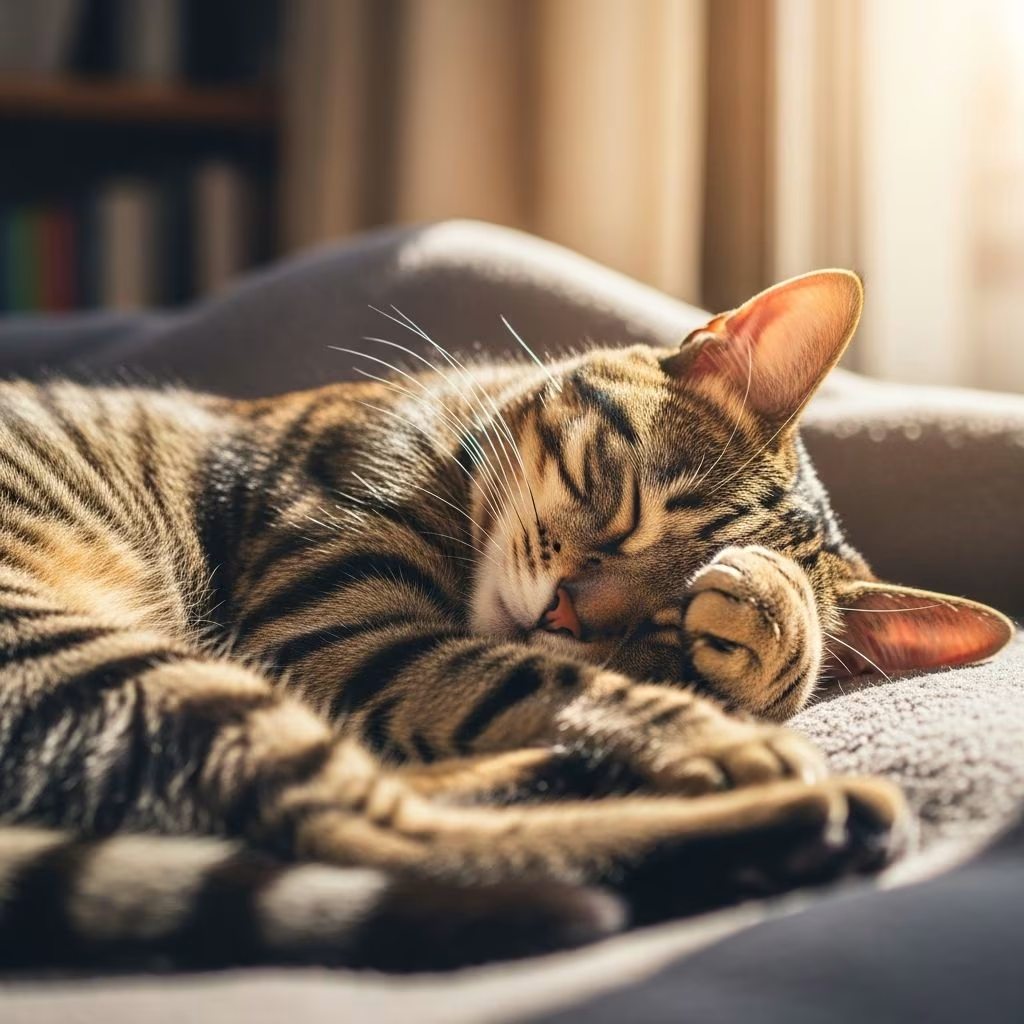
Cats are notorious sleepers, spending up to 16 hours a day napping in various adorable positions. One of the most endearing sights is a cat covering its face with its paws or tail while dozing off. But why do cats cover their face when they sleep? This behavior serves multiple purposes rooted in their instincts, physiology, and comfort needs. There are five likely reasons: blocking light, creating security, staying warm, achieving comfort, and signaling ‘do not disturb.’ Understanding these helps cat owners appreciate their pet’s natural habits and provide a better environment for restful sleep.
How Much Do Cats Sleep?
Before diving into the reasons, it’s essential to understand feline sleep patterns. Cats sleep 12-16 hours daily, far more than most humans. This includes short catnaps throughout the day and deeper sleep at night. They cycle through REM (rapid eye movement) and non-REM stages, even dreaming like humans. Wild ancestors conserved energy for hunting by sleeping extensively, a trait domestic cats retain. Covering the face often occurs during deep sleep phases, helping them maximize rest efficiency.
Cats prefer warm, safe spots for sleep, like sunbeams or soft beds. Positions vary: curled in a ball for warmth, stretched out when hot, or face-covered for protection. Observant owners notice patterns—cats cover faces more in bright areas or when feeling secure.
The 5 Likely Reasons Why Cats Cover Their Faces When They Sleep
1. They’re Blocking Out the Light
Cats love sunny spots for napping, but bright light irritates their sensitive eyes, hindering deep sleep. By covering their face with paws or draping their tail over eyes, they create artificial darkness, mimicking blackout conditions humans use. This blocks glare from windows or lamps, promoting quicker sleep onset and longer naps.
Unlike humans, cats have a third eyelid (nictitating membrane) for partial vision during rest, but full coverage ensures undisturbed slumber. If your cat sunbathes by a window and paw-covers its face, it’s prioritizing nap quality over light exposure.
2. They Are Creating a Sense of Security
In the wild, cats are prey and predators, making faces vulnerable during sleep. Covering the face instinctively shields eyes, nose, and whiskers—key sensory organs—from threats. Domestic cats retain this ‘tenting’ behavior, feeling hidden and protected, even in safe homes.
Behaviorists note secure cats cover faces more, signaling trust in their environment. Whiskers, highly sensitive for navigation and hunting, get shielded to avoid sensory overload from breezes or touches. This fosters relaxation for deeper sleep cycles.
3. They Are Staying Warm
Cats lose body heat faster when asleep due to reduced movement. Heat escapes mainly from paws, ears, and nose tips. Covering the face with paws traps warmth, especially in cooler rooms or winter. Curling into a tight ball amplifies this, preventing hypothermia risks.
A cool, dry nose indicates health, but covering preserves moisture and temperature. Observe your cat tucking paws or tail inward during cold snaps—it’s survival instinct at play.
4. It’s Comfortable for Them
Simply put, many cats find face-covering cozy, like humans hugging a pillow. The ‘lordosis position’—front paws tucked, back legs extended—pairs perfectly with paw-over-face for optimal relaxation. This prolongs deep sleep, aiding energy conservation for play bursts or ‘zoomies.’
Not all cats use paws; some bury faces in blankets, arms, or high-sided beds. Providing soft, enclosed bedding encourages this preferred posture, enhancing comfort.
5. They Don’t Want to Be Disturbed
Cats crave privacy during vulnerable sleep states. Face-covering acts as a ‘do not disturb’ sign to humans, dogs, or other pets. It’s polite feline communication: ‘Let me rest uninterrupted.’ Respecting this builds trust and improves sleep quality.
In multi-pet homes, this prevents disturbances. Cats may press faces into owners’ bodies for security and privacy, a sign of deep bonding.
Cat Sleeping Positions Explained
Cats adopt positions conveying health, mood, and comfort:
- Curled Ball: Conserves heat, protects vitals; common in cold or insecure settings.
- Stretched Out: Feels safe and cool; belly exposure shows trust.
- Face Covered: Blocks light/stimulation, signals deep rest.
- Side Sleeping: Relaxed, content state.
- Sitting Up: Light sleep, alert for sounds.
Table of Common Positions:
| Position | Meaning | When Observed |
|---|---|---|
| Ball Curl | Warmth & Security | Cold nights, new environments |
| Face Cover | Block Light/Protect | Sunny spots, deep sleep |
| Belly Up | Trust & Cool | Hot days, safe homes |
| Loaf (Paws Tucked) | Relaxed Vigilance | Short naps |
Changes in positions may signal stress or illness—monitor closely.
Should I Worry If My Cat Covers Their Face While Sleeping?
Generally, no—this is normal, healthy behavior indicating comfort and security. Worry if accompanied by lethargy, appetite loss, or unusual hiding, possibly signaling pain or illness. Consult a vet for persistent changes. Otherwise, enjoy the cuteness!
Enhance sleep with dim lights, warm beds, quiet spaces, and high-sided options for natural tenting.
Frequently Asked Questions (FAQs)
Why do cats sleep with their face covered?
Cats cover faces to block light, stay warm, feel secure, get comfortable, or avoid disturbances—instinctive behaviors for quality rest.
Is it bad if my cat sleeps with paws over face?
No, it’s normal and beneficial unless paired with health issues like excessive sleeping or withdrawal.
Do all cats cover their faces when sleeping?
Not all, but many do, especially secure, light-sensitive ones. Breed, age, and environment influence habits.
How can I help my cat sleep better?
Provide dark, warm, quiet spots with enclosed beds. Maintain routines and minimize disruptions.
Why does my cat bury its face in me while sleeping?
It feels safe and bonded with you, using your body for warmth and security.
References
- Why Do Cats Cover Their Faces While Sleeping? — Mental Floss. 2023. https://www.mentalfloss.com/animals/cats/why-cats-cover-face-while-sleeping
- Why Do Cats Cover Their Faces When They Sleep? — Cats.com. 2024. https://cats.com/why-do-cats-cover-their-faces-when-they-sleep
- Why Do Cats Cover Their Face When They Sleep? 5 Likely Reasons — Catster. 2024. https://www.catster.com/cat-behavior/why-do-cats-cover-their-face-when-they-sleep/
- Why Do Sleeping Cats Cover Their Faces? — Cat Tales (The Columbian). 2022-04-03. https://blogs.columbian.com/cat-tales/2022/04/03/why-do-sleeping-cats-cover-their-faces/
- Here’s Why Cats Cover Their Faces When They Sleep — Green Matters. 2023. https://www.greenmatters.com/pets/why-do-cats-cover-their-face-when-they-sleep
- 20 Cat Sleeping Positions and What They Mean — PetMD. 2024. https://www.petmd.com/cat/general-health/cat-sleeping-positions-and-what-they-mean



