

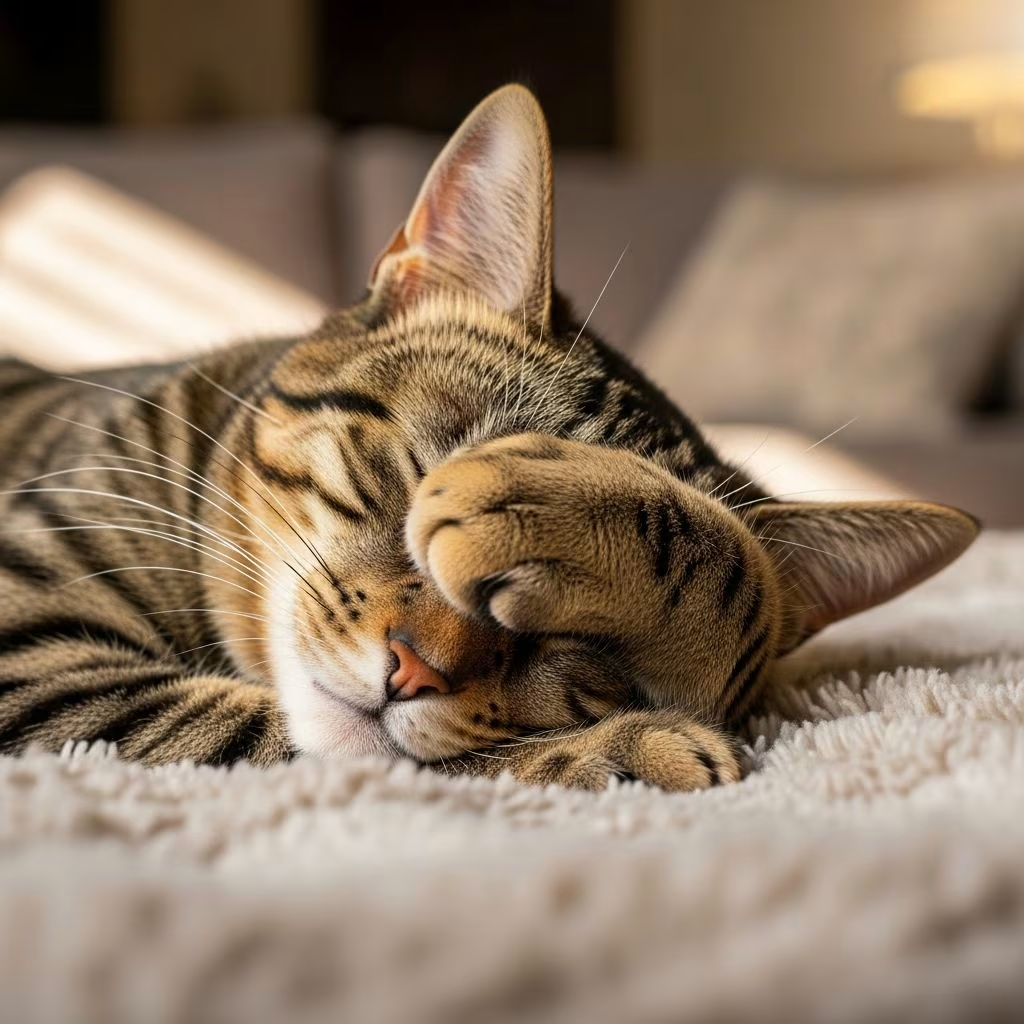
Why Do Cats Cover Their Face When They Sleep? 5 Likely Reasons
If you’re a cat owner, you’ve probably witnessed your feline friend curling up for a nap with their paws gently covering their face. This adorable behavior is more than just cute—it serves several important purposes for your cat’s wellbeing and comfort. Cats spend approximately 16 hours a day sleeping, cycling through different sleep stages including REM and non-REM sleep, much like humans do. During these extended rest periods, they employ various strategies to ensure they get the most restful and secure sleep possible. Understanding why cats engage in this behavior can deepen your appreciation for your pet and help you create an environment that supports their natural instincts.
1. They’re Blocking Out the Light
One of the most common reasons cats cover their faces while sleeping is to block out light. Unlike humans who have developed the habit of using blackout curtains and eye masks, cats have adapted their own ingenious method—using their paws as natural light blockers. Cats are crepuscular animals, meaning they’re naturally most active during twilight hours, yet they must sleep during the day when sunlight is abundant. Many cat owners notice their pets enjoying sunny spots for naps, drawn to the warmth that sunlight provides. However, the glare from bright light can irritate their sensitive eyes and prevent them from achieving deep, restful sleep.
When a cat covers their eyes with their paws, they’re essentially creating a soft shadow that allows them to drift peacefully into sleep without the distraction of harsh light. This behavior is particularly noticeable during midday hours when sunlight streams through windows. Some cats may even use their tail as an additional light-blocking tool, wrapping it around their face for extra coverage. By manufacturing their own dark environment, cats can more easily enter the deeper sleep stages necessary for proper rest and energy conservation.
2. They Are Creating a Sense of Security
Cats are naturally furtive creatures with deeply ingrained survival instincts, even when living comfortably in a home environment. Their instinct to cover their face while sleeping may be a remnant of their wild ancestors’ survival strategies. In nature, a cat’s face—particularly their sensitive whiskers and eyes—represents one of their most vulnerable areas. By shielding their face, cats create a psychological sense of protection, as though they’re hiding one of their most exposed body parts from potential threats.
Even in the safety of a cozy home, this behavior taps into their deep-rooted instincts to stay safe while in a vulnerable sleeping state. When a cat covers their face, they may feel as though they are blending into their surroundings and becoming less visible to potential predators, even though they’re safely indoors. Their whiskers are exceptionally sensitive sensory organs that help felines navigate and hunt, so covering them provides relief from sensory stimulation and contributes to their overall sense of security. This simple act of face-covering allows cats to settle into a deeper, more restful sleep knowing that one of their most vulnerable areas is protected.
3. They Are Trying to Warm Themselves Up
Body temperature regulation is crucial for cats, and covering their faces plays a significant role in maintaining warmth during sleep. When cats are asleep, they lose more of their customary body heat because they’re lying still and not engaging in activity. Since much of a cat’s heat generation comes from their paws, ears, and the tips of their noses, covering their face with their paws helps them retain essential body heat that might otherwise be lost. This is particularly important because cats have higher normal body temperatures than humans, typically ranging from 100.5 to 102.5 degrees Fahrenheit.
When the temperature drops, especially during cooler months, cats instinctively curl themselves into tighter balls and use their paws to cover their faces like a protective blanket. This behavior becomes even more pronounced during winter when cold temperatures can pose genuine health risks. If a cat’s body temperature drops below a critical level, they become susceptible to hypothermia, a potentially life-threatening condition. By covering their nose and face with their paws, cats create an insulating layer that traps warm air around their most exposed features, enabling them to maintain their body temperature and stay safe during sleep.
4. They Simply Find It Comfortable
Sometimes the answer to why cats do what they do is refreshingly simple—they find it comfortable. Just as humans might wrap their arms around a pillow, tuck blankets between their legs, or curl into a fetal position for extra coziness, cats have their own preferred sleeping positions that feel most comfortable to them. Some cats naturally gravitate toward the “lordosis position,” sleeping with their back legs behind them and their front paws tucked under their chest, while also covering their faces with their paws.
Not all cats find covering their faces to be a comfortable sleeping position, and individual preferences vary greatly among felines. However, cats that do enjoy this sleeping style are likely to repeat it frequently because their brains have learned to associate this position with comfort and relaxation. It’s a personal preference, much like how some people prefer to sleep on their sides while others favor their backs. When a cat finds a sleeping position that feels right, they’re more likely to achieve the quality rest they need to function optimally throughout their waking hours. Respecting these individual preferences and providing comfortable sleeping spaces can help your cat feel more secure and content in their home environment.
5. They Don’t Want to Be Disturbed
Cats are inherently private creatures, and their need for undisturbed rest is a fundamental part of their nature. When a cat covers their face with their paws while sleeping, they may be communicating a clear message: “Do not disturb.” This behavior serves as a non-verbal signal to other household members—both human and animal—that the cat is entering a deep sleep phase and doesn’t want to be interrupted. By covering their face, cats create a psychological barrier that seems to signal their unavailability for interaction.
This behavior reflects the feline need for solitude and control over their environment. Cats love their privacy, especially when they’re snoozing, and face-covering appears to be their way of establishing boundaries and requesting “me time.” Whether motivated by a desire to block out light or simply to feel extra cozy, this little gesture communicates their need for peaceful, uninterrupted rest. As a cat owner, recognizing and respecting this signal is important. Giving your cat space when they adopt this sleeping position shows that you understand their need for privacy and helps build trust. Disturbing a cat during this kind of sleep can lead to stress and may even cause them to become irritable or defensive.
Understanding Your Cat’s Sleep Cycles
To fully appreciate why cats cover their faces, it helps to understand their unique sleep patterns. Cats experience multiple sleep cycles throughout the day and night, alternating between light sleep (non-REM) and deep sleep (REM). During light sleep, cats remain partially alert, which is why you might notice them sleeping with their eyes partly or fully open—their third eyelid, called the nictitating membrane, allows them to rest while maintaining vigilance. This adaptive feature helps them stay aware of their surroundings even while resting.
Deep sleep typically occurs during nighttime hours or after periods of intense activity known as “zoomies.” During these deeper sleep phases, cats curl up tightly, cover their faces, and drift into a truly restful state. This is when cats dream, just like humans do, and when their bodies undergo essential restorative processes. By covering their face during deep sleep, cats create optimal conditions for this restorative rest, allowing them to conserve energy and prepare for their next active period. The cycles of activity and rest that characterize cat behavior—from morning zoomies to midday naps to deep nighttime sleep—all represent their natural rhythm as crepuscular hunters.
Creating the Perfect Sleep Environment for Your Cat
Understanding why cats cover their faces can help you design a sleeping space that naturally encourages this comfortable behavior. When choosing or creating a cat bed, opt for something soft with high sides or a cushion that provides a semi-enclosed space where your cat can easily cover their face. Enclosed beds, cat caves, or even simple cardboard boxes lined with soft materials can provide the security and comfort that encourages natural face-covering behavior.
Consider the following elements when optimizing your cat’s sleep space:
- Placement in quiet, low-traffic areas away from household activity
- Soft, comfortable bedding materials that encourage settling and burrowing
- Protection from direct light if your cat is sensitive to brightness
- Temperature-controlled environment that stays warm during cooler months
- Distance from food and water bowls, as cats prefer to sleep away from eating areas
- Height and elevation, as many cats prefer elevated sleeping spots
By providing these environmental factors, you’re supporting your cat’s natural instincts and helping them achieve the deep, restorative sleep they need.
Frequently Asked Questions
Q: Is it normal for cats to cover their faces while sleeping?
A: Yes, absolutely. This is a completely normal feline behavior that serves multiple purposes, from blocking light and maintaining warmth to creating a sense of security. Most cats engage in this behavior at some point, though individual preferences vary.
Q: Should I be concerned if my cat doesn’t cover their face when sleeping?
A: No, there’s no need for concern. Not all cats find face-covering comfortable, and some may prefer other sleeping positions. As long as your cat is sleeping well and appears healthy and content, different sleeping styles are perfectly normal.
Q: How many hours per day do cats typically sleep?
A: Cats sleep approximately 16 hours per day on average, cycling through multiple sleep stages including both light and deep sleep. This extensive sleep helps them conserve energy for their natural hunting instincts.
Q: Do cats dream while covering their faces?
A: Yes, cats do dream during REM sleep, just like humans. When cats cover their faces, they’re often entering a deeper sleep stage where dreaming is more likely to occur.
Q: What does a cat’s third eyelid do?
A: A cat’s third eyelid, called the nictitating membrane, allows cats to rest while maintaining partial alertness to their surroundings. You might notice this membrane visible when your cat is sleeping with their eyes partially open.
Q: How can I help my cat sleep better?
A: Provide a comfortable, quiet sleeping space with soft bedding, maintain a consistent temperature, minimize household noise and activity near their sleep area, and respect their need for privacy when they signal they want to rest undisturbed.
Conclusion
The adorable sight of your cat covering their face while sleeping encompasses multiple important functions—from practical light-blocking and temperature regulation to deeply ingrained survival instincts and personal comfort preferences. Whether your cat covers their face with their paws, buries it in bedding, or presses it against your arm, this behavior represents their way of creating the optimal conditions for restful, secure sleep. By understanding these five likely reasons behind this behavior, you gain valuable insight into your cat’s needs and personality. The next time you notice your feline friend curled up with their face covered, you can appreciate that they’re not just being cute—they’re engaging in a sophisticated self-care ritual that has served cats well for thousands of years. Respecting and supporting this natural behavior by providing appropriate sleeping spaces and undisturbed rest time strengthens your bond with your pet and contributes to their overall health and happiness.
References
- Why Do Cats Cover Their Faces When They Sleep? — Catster. 2025. https://www.catster.com/cat-behavior/why-do-cats-cover-their-face-when-they-sleep/
- Why Do Cats Cover Their Faces When They Sleep? — Cats.com. 2025. https://cats.com/why-do-cats-cover-their-faces-when-they-sleep
- Why Do Cats Cover Their Faces While Sleeping? — Mental Floss. 2025. https://www.mentalfloss.com/animals/cats/why-cats-cover-face-while-sleeping
- Why Do Sleeping Cats Cover Their Faces? — Cat Tales, The Columbian. 2022-04-03. https://blogs.columbian.com/cat-tales/2022/04/03/why-do-sleeping-cats-cover-their-faces/
- Cat Sleeping Positions and What They Mean — PetMD. 2025. https://www.petmd.com/cat/general-health/cat-sleeping-positions-and-what-they-mean



