

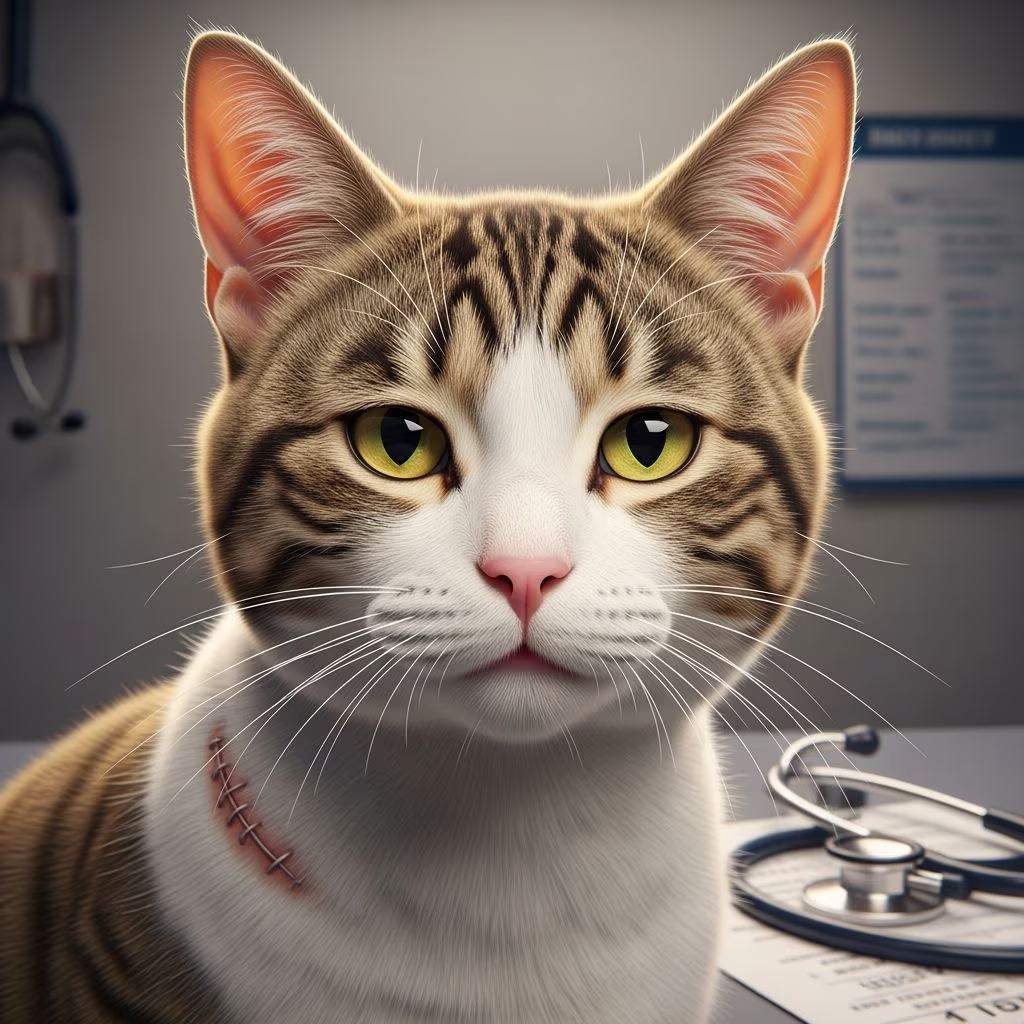
Cats frequently exhibit a cough after undergoing surgery, primarily due to minor irritation from the endotracheal tube inserted during anesthesia to deliver oxygen and anesthetic gases directly to the lungs. This tube, made of firm plastic and fitted snugly into the trachea, acts as a foreign object, triggering the cat’s natural response to clear the airway once removed. While alarming for pet owners, this cough is typically benign and self-resolves, but vigilance is key to distinguish it from serious complications.
Understanding the mechanics of feline anesthesia is crucial. Surgical procedures in cats begin with sedation using injectable medications, followed by gas anesthesia administered via the endotracheal tube passed through the mouth into the trachea. This ensures precise control over breathing and oxygenation, essential for safety during operations like spays, neuters, dental work, or exploratory surgeries. The trachea’s lining, unaccustomed to such intrusion, becomes inflamed, leading to coughing as the cat attempts to expel perceived irritants. Veterinary sources consistently affirm this as the predominant cause, with most cases resolving without intervention.
Is It Normal for Cats to Cough After Surgery?
Yes, coughing post-surgery is a normal occurrence in many cats, stemming directly from the intubation process. During anesthesia, the tube supports respiration, but its presence and subsequent removal irritate the sensitive tracheal mucosa. Vets at facilities like VCA Animal Hospitals note that this mild irritation manifests as a slight cough, which is expected and not indicative of pathology unless persistent. Similarly, practices such as Argyle Vets and Critter Creek Vet confirm that the tube’s placement in the windpipe causes this reaction, reassuring owners that it’s a standard recovery phase.
Not all surgeries require intubation; minor procedures might use injectable anesthesia alone, reducing cough risk. However, for those involving general anesthesia—common in 80-90% of elective cat surgeries—the tube is standard protocol. Owners should anticipate this symptom, especially in the first 24-72 hours post-op, as the trachea heals from mechanical stress. Monitoring is advised: a dry, occasional cough without distress is typical, while wet, productive coughs or respiratory distress warrant immediate attention.
How Long Does Post-Surgery Cough in Cats Last?
A post-surgical cough in cats generally lasts 2 to 4 days if caused by endotracheal tube irritation, allowing time for tracheal tissues to recover. Catster’s veterinary insights indicate this timeframe as completely normal, provided the cough remains mild, non-worsening, and unaccompanied by symptoms like fever, lethargy, nasal discharge, or labored breathing. Some sources extend this to 1-3 weeks for mild to moderate dry coughs, particularly after extensive procedures, as noted by The Cat Practice, where tracheal irritation can linger.
- Mild cases: Resolve in 24-48 hours with rest.
- Moderate irritation: Persist up to 4-7 days.
- Extended cough (1-3 weeks): Rare but possible in sensitive cats or prolonged intubation.
Factors influencing duration include the tube’s size (tailored to the cat’s trachea), surgery length, and individual airway sensitivity. Kittens or brachycephalic breeds (e.g., Persians) may experience prolonged effects due to narrower airways. Track progress daily; improvement signals normal healing, while stagnation or escalation suggests complications like infection or aspiration pneumonia.
How Do You Get Rid of a Cat’s Cough After Surgery?
Most post-surgical coughs resolve spontaneously within days, requiring supportive care rather than medication. Encourage rest in a quiet, stress-free environment to minimize exertion-induced coughing. Ensure access to fresh water and palatable food to maintain hydration and nutrition, as dehydration exacerbates irritation. Follow vet directives on withholding food (typically 12-24 hours post-op) before gradual reintroduction.
Practical tips include:
- Provide a humid environment (e.g., bathroom steam from a hot shower) to soothe airways.
- Avoid smoke, dust, or strong odors that could aggravate coughing.
- Monitor for normal eating, drinking, and elimination; confine to a single room to limit activity.
- Administer prescribed pain meds or anti-inflammatories if recommended, but never OTC human cough suppressants, which are toxic to cats.
Do not attempt home remedies like honey or essential oils without vet approval. If cough persists beyond 4 days, recurs, or pairs with concerning signs, schedule a recheck. Vets may perform chest X-rays or cultures to rule out pneumonia. Patience and observation are paramount during this vulnerable recovery window.
What Are the Side Effects of Anesthesia in Cats?
Anesthesia side effects in cats extend beyond coughing, often lingering 24-48 hours as drugs metabolize. Vets monitor recovery closely post-op, but subtle effects may appear at home. Common manifestations include:
| Side Effect | Description | Management |
|---|---|---|
| Nausea | Drooling, reduced appetite from meds. | Withhold food per vet timeline; offer small, frequent meals. |
| Grogginess | Lethargy, slow recovery from sedation. | Safe, quiet space for sleep; patience as effects wane. |
| Shivering | Temperature dysregulation. | Warm bedding, heated room (avoid direct heat pads). |
| Disorientation | Confusion, vocalization changes. | Familiar scents/toys; gentle reassurance. |
These arise from injectable sedatives, IV agents, and inhalants affecting the central nervous system and thermoregulation. Rare hoarseness or temporary voice loss stems from laryngeal irritation. Senior cats or those with pre-existing conditions face higher risks, but modern protocols minimize complications. Full recovery typically occurs within 72 hours.
When Should You Worry About Your Cat’s Cough After Surgery?
While most coughs are benign, certain red flags demand prompt veterinary intervention to prevent escalation. Contact your vet if coughing lasts over 4-7 days, intensifies, becomes productive (wet with phlegm), or accompanies:
- Difficulty breathing, open-mouth respiration, or blue gums.
- Fever (rectal temp >103°F), lethargy, or refusal to eat/drink >24 hours.
- Nasal/eye discharge, sneezing, or swollen lymph nodes signaling infection.
- Vomiting, diarrhea, or wound site issues.
Aspiration pneumonia, though uncommon, poses a serious risk under anesthesia due to suppressed reflexes allowing vomit or saliva inhalation. Symptoms overlap with infection: rapid breathing, fever, coughing. Diagnosis via X-rays and treatment with antibiotics yields good outcomes if caught early. Other differentials include bronchitis or heart disease unmasked by stress. Err on caution—better a false alarm than delayed care.
Frequently Asked Questions (FAQs)
Is coughing normal right after cat surgery?
Yes, mild coughing from endotracheal tube irritation is common immediately post-op and should lessen within days.
How long is too long for a post-surgery cough in cats?
Beyond 4-7 days, or if worsening, consult your vet to exclude complications like infection.
Can anesthesia cause permanent damage leading to cough?
No, temporary irritation is standard; permanent issues are exceedingly rare with proper technique.
What if my cat is coughing and not eating after surgery?
This combination signals potential nausea or illness—call your vet promptly.
Should I give my coughing cat any medication?
Never without vet guidance; human meds are dangerous for cats.
Conclusion
Post-surgical coughing in cats is predominantly a transient response to endotracheal intubation, resolving in 2-4 days with rest and monitoring. Familiarity with normal recovery, anesthesia side effects, and warning signs empowers owners to support healing effectively. When in doubt, prioritize your vet’s expertise—swift action safeguards your feline companion’s health. Regular check-ups and pre-surgical health optimization further enhance outcomes.
References
- Why Do Cats Cough After Surgery? Medical Facts Explained — Catster (Ask the Vet). 2023. https://www.catster.com/ask-the-vet/why-do-cats-cough-after-surgery/
- Caring For Your Cat After Surgery — Argyle Veterinary Hospital. 2021-11-30. https://www.argylevet.com/site/blog/2021/11/30/cat-surgery-recovery
- Post-Operative Instructions in Cats — VCA Animal Hospitals. Accessed 2026. https://vcahospitals.com/know-your-pet/post-operative-instructions-in-cats
- Why is my cat coughing a lot after her surgery? — Dial A Vet. Accessed 2026. https://www.dialavet.com/vet-answers/cat-coughing-after-surgery-52254
- Cats Recovering from Surgery — Critter Creek Veterinary Hospital. 2023-02-28. https://www.crittercreekvet.com/site/blog/2023/02/28/cats-recovering-surgery
- Aspiration Pneumonia in Cats: Signs, Causes, and Treatment — PetMD. Accessed 2026. https://www.petmd.com/cat/conditions/respiratory/aspiration-pneumonia-cats
- Anesthesia / Sedation — The Cat Practice. Accessed 2026. https://thecatpractice.com/felinehealth/anesthesia.htm



