

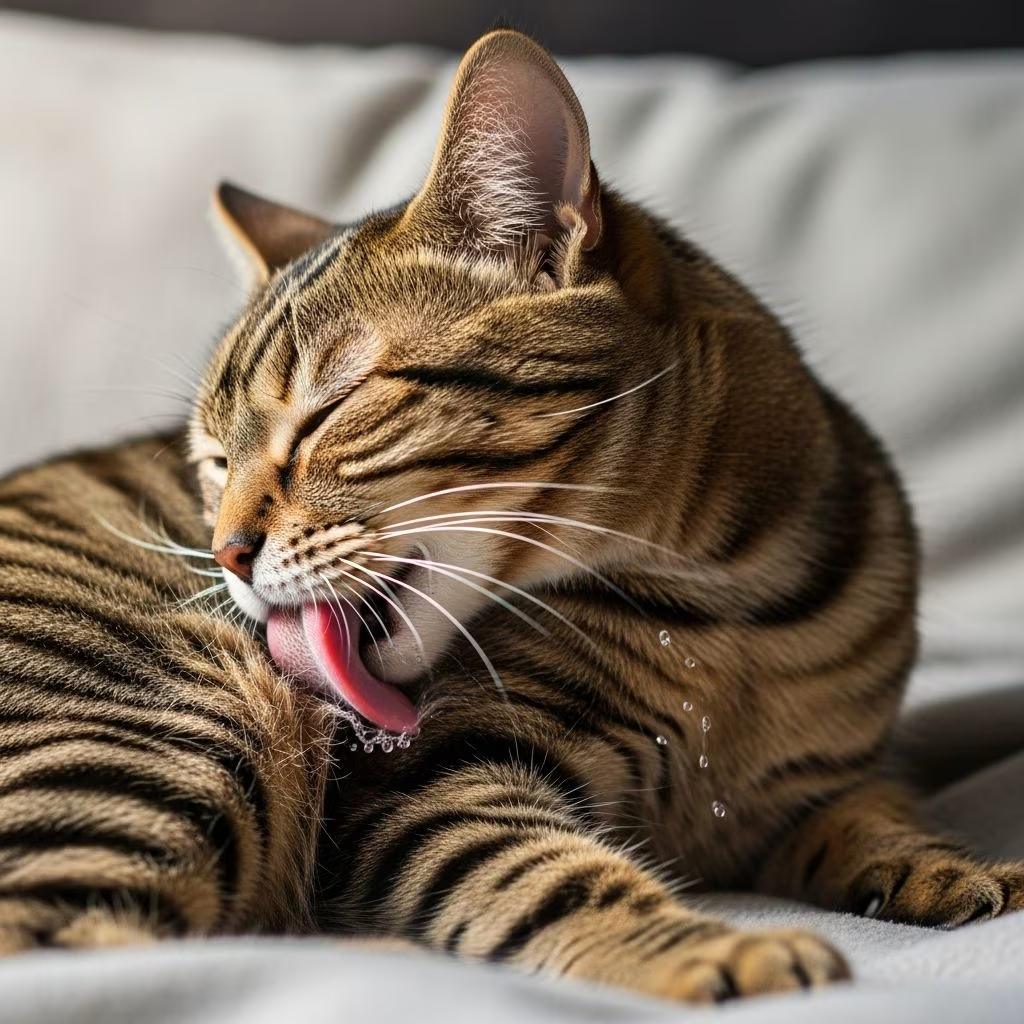
Cats are renowned for their meticulous grooming habits, dedicating 30-50% of their waking hours to licking and cleaning their fur. This behavior, which begins in kittenhood, serves multiple essential purposes beyond mere cleanliness, including temperature regulation, parasite control, and emotional comfort.
How Often Do Cats Groom Themselves?
Cats typically spend **two to five hours daily** on self-grooming, a habit ingrained from birth. Kittens start grooming at around four weeks old, mimicking their mother’s licks that stimulate urination, suckling, and bonding. This allogrooming—mutual grooming between cats—continues into adulthood, strengthening social ties. Adult cats maintain this routine, distributing natural oils for a glossy coat, removing dirt, and preventing matting. Factors like breed, age, indoor/outdoor lifestyle, and health influence grooming frequency; active outdoor cats may groom more to mask scents from predators.
Reasons Why Cats Groom Themselves
Cats groom for a variety of physiological and behavioral reasons. Here’s a breakdown:
- Hygiene and Coat Maintenance: Licking removes loose hair, dirt, and debris while spreading sebaceous oils from skin glands to keep the coat waterproof and shiny.
- Temperature Regulation: Saliva evaporates like sweat, cooling the body on hot days—a vital adaptation for felines without sweat glands.
- Circulation Stimulation: The licking motion massages the skin, boosting blood flow and promoting healthy tissue.
- Parasite and Infection Control: Grooming dislodges fleas, ticks, and allergens, reducing infection risks.
- Stress Relief and Displacement: Licking releases endorphins, calming anxious cats during conflicts or uncertainty.
- Scent Masking: In the wild, clean fur hides odors from predators; domestic cats retain this instinct.
- Pain or Injury Care: Cats target sore areas to soothe wounds or alleviate discomfort.
This multi-purpose ritual underscores grooming as a barometer of feline health—healthy cats groom consistently, while illness often reduces it.
What Is Overgrooming in Cats?
**Overgrooming** occurs when licking exceeds normal levels, leading to hair loss, bald patches, skin irritation, or ‘barbered’ fur stubs from chewing. Unlike routine maintenance, it signals underlying issues and can progress to self-inflicted wounds if unchecked. PetMD notes cats normally groom up to 50% of waking hours, but excessive behavior—beyond this—warrants attention. Signs include focal bald spots (often on flanks, belly, or legs), red skin, scabs, or compulsive licking sessions.
Causes of Excessive Cat Grooming
Overgrooming stems from medical, environmental, or psychological triggers. Common causes include:
| Category | Specific Causes | Symptoms |
|---|---|---|
| Medical | Allergies (flea, food, environmental), parasites, infections, pain | Itching, hot spots, barbered fur |
| Behavioral | Stress, anxiety, boredom | Sudden onset after changes, symmetric baldness |
| Psychogenic | Compulsive disorder (psychogenic alopecia) | Endorphin-driven habit, no fleas/allergies |
Allergies and Parasites: Flea allergy dermatitis tops the list; even one bite triggers intense itching. Food or contact allergies cause similar overreactions.
Stress and Anxiety: Changes like moving, new pets, or remodels disrupt routines, prompting self-soothing licks that release calming endorphins. Breeds like Siamese are prone due to high-strung natures.
Boredom: Indoor cats without stimulation turn to grooming for occupation.
Pain: Hidden injuries (e.g., arthritis) lead to targeted licking.
Signs Your Cat Is Overgrooming
- Visible hair loss in patches, especially belly, inner thighs, or base of tail.
- Skin redness, scabs, or sores from constant moisture.
- Excessive licking/chewing audible or visible for prolonged periods.
- Behavioral shifts: irritability, hiding, or reduced appetite.
- Hairballs increase due to ingested fur.
Monitor for symmetry—medical issues often affect one side, behavioral both.
When to See a Vet for Cat Grooming Issues
Consult a vet if grooming changes suddenly, fur loss appears, or skin issues develop. They’ll rule out fleas (flea comb check), allergies (skin scrapes, diet trials), or infections via exams/biopsies. Early intervention prevents complications like infections.
How to Stop Cat Overgrooming
Treatment targets the root cause:
- Parasite Control: Vet-recommended flea preventives.
- Allergy Management: Hypoallergenic diets, antihistamines, or immunotherapy.
- Stress Reduction: Pheromone diffusers (Feliway), safe spaces, consistent routines.
- Enrichment: Toys, scratching posts, playtime to combat boredom.
- Medical: Pain meds, anti-anxiety drugs if needed.
- Elizabethan Collar: Temporary cone to break the cycle.
Track progress with photos; combine approaches for best results.
How to Encourage Healthy Grooming in Cats
- Provide brushing tools—many cats enjoy it, reducing hairballs.
- High-quality diet supports skin health.
- Regular vet checkups catch issues early.
- Environmental enrichment prevents boredom.
Frequently Asked Questions (FAQs)
Why do cats clean themselves so much?
Cats groom 30-50% of their day to maintain hygiene, regulate temperature via saliva evaporation, stimulate circulation, remove parasites, and self-soothe stress through endorphins.
Is it normal for cats to lick themselves a lot?
Yes, up to 50% of waking hours is normal for cleaning, oil distribution, and cooling. Excess causing baldness is not.
What does it mean if my cat licks itself raw?
It indicates overgrooming from allergies, fleas, stress, or pain. Vet evaluation is essential.
Can stress cause hair loss in cats?
Yes, psychogenic alopecia from stress leads to compulsive licking and fur loss, common after life changes.
How much time should a cat spend grooming?
2-5 hours daily is typical; more may signal problems.
References
- Understanding Your Cat’s Grooming Habits — Hill’s Pet Nutrition. 2023. https://www.hillspet.com/cat-care/behavior-appearance/why-cats-groom-and-lick-themselves
- Why Your Cat Grooms So Much — MSPCA-Angell. 2023. https://www.mspca.org/pet_corner/why-your-cat-grooms-so-much/
- Myth VS Fact: 7 Facts About Cat Grooming You Need to Know — HICC Pet. 2023. https://hiccpet.com/blogs/cats/myth-vs-fact-7-facts-about-cat-grooming-you-need-to-know
- Why Cats Overgroom and How You Can Stop It — PetMD. 2023. https://www.petmd.com/cat/general-health/how-tell-if-your-cat-over-grooming
- Neatness Freaks: How Why Cats Groom — Amy Shojai. 2023. https://amyshojai.com/neatness-freaks-how-why-cats-groom/
- Is Your Cat Overgrooming? Signs, Causes And Prevention — Life of Riley Pet Hotel. 2023. https://lifeofrileypethotel.com/blog/is-your-cat-overgrooming-signs-causes-and-prevention



