

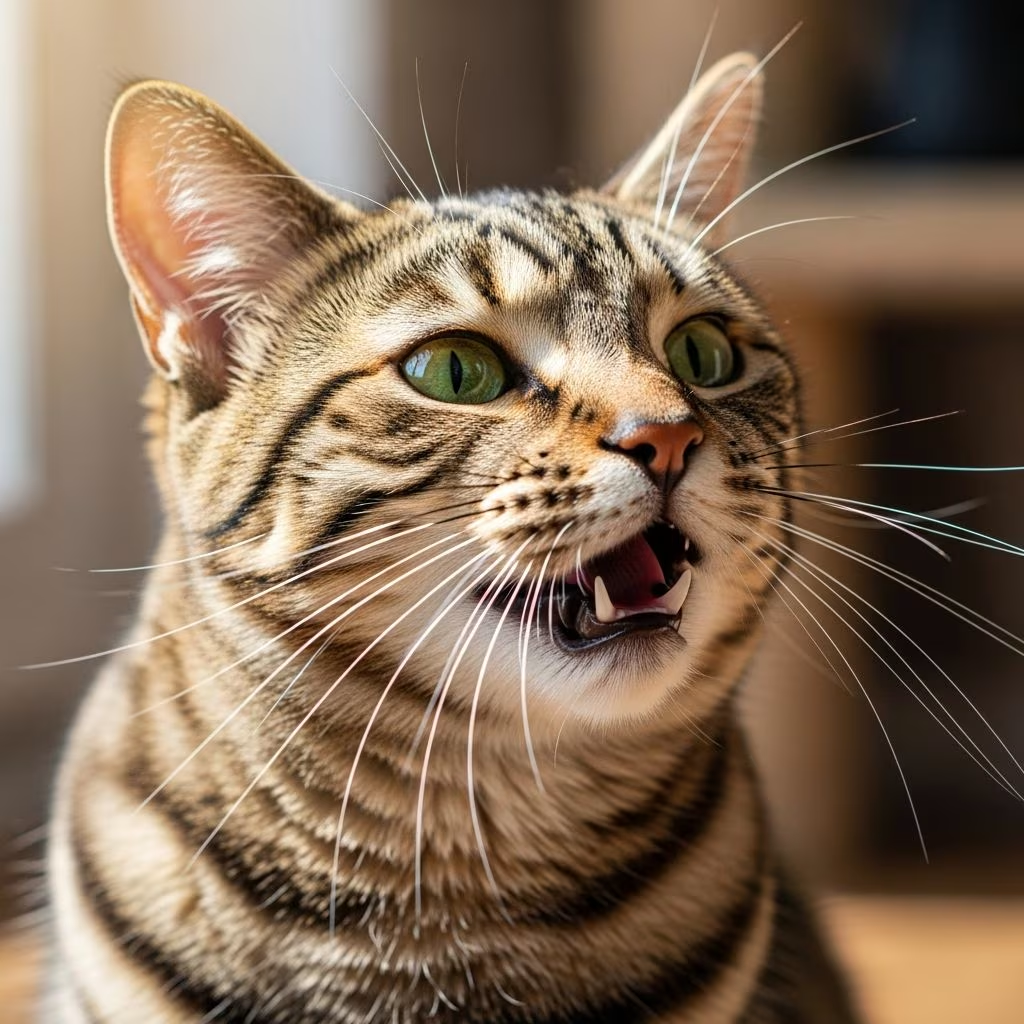
Cat chirping, also known as chattering or the ‘ek ek ek’ sound, is one of the most intriguing vocalizations in a feline’s repertoire. Unlike the familiar meow or soothing purr, chirping consists of short, high-pitched bursts that often accompany rapid jaw movements. This behavior typically occurs when your cat fixates on birds, squirrels, insects, or even toys through a window or during play. But what drives this quirky noise? Experts link it primarily to a cat’s innate hunting instincts, where excitement mixes with frustration over unreachable prey. In this article, we’ll dive deep into the science, contexts, and meanings behind cat chirping, drawing from veterinary insights and behavioral research to help you decode your cat’s chatter.
What Is Cat Chirping?
Cat chirping is a distinctive vocalization characterized by quick, staccato sounds resembling bird tweets, squirrel chatter, or a rhythmic ‘ek-ek-ek.’ It differs from other cat noises: meows are for human communication, purrs signal contentment, hisses denote aggression, and growls indicate fear. Chirping involves the tongue flicking against the teeth, creating a trilling or clicking effect, often while the cat’s eyes are locked on a target.
This sound originates in kittenhood. Mother cats chirp as a contact call to gather their litter, teaching kittens to recognize and replicate it for location signaling. Adult cats retain this, evolving it into a multifaceted expression. Observations show chirping peaks during ‘hunt mode,’ with the cat’s tail twitching, pupils dilating, and body tensing in anticipation. While endearing, excessive chirping without prey context may warrant a vet check for stress or health issues.
Understanding chirping enhances the human-cat bond. By recognizing it as a window into your pet’s wild side, you can respond appropriately—perhaps with interactive toys to channel that energy.
Why Do Cats Chirp? The Primary Reasons
Cats chirp for several interconnected reasons, rooted in their evolutionary past as solitary hunters. Domestic cats, though far removed from the wild, preserve these instincts, making chirping a bridge between ancestry and modern life. Below, we break down the key triggers.
Hunting Instincts and Prey Excitement
The predominant explanation for cat chirping ties to predatory drive. When spotting potential prey like birds or rodents, cats experience an adrenaline surge, zeroing in with laser focus. The chirp manifests this excitement, signaling ‘I’ve found it!’ as noted by behaviorist Jackson Galaxy. Research from sites like Meowsic by Dr. Susanne Schötz confirms cats chirp when riveted by birds or insects, embodying the thrill of the chase.
This isn’t mere noise; it’s instinctual preparation. The rapid jaw action mimics the killing bite, practicing the fatal neck snap on small prey. Even indoor cats, without real hunts, display this when watching wildlife from windows, proving genetics override environment.
Frustration or Disappointment
Chirping often blends excitement with irritation. A cat may chatter intensely at untouchable prey separated by glass, expressing thwarted desire. This ‘window warrior’ scenario—pacing, pawing, and chirping—highlights the conflict between instinct and captivity. Veterinary sources like PetMD describe it as excitement laced with frustration, especially for prey just out of reach.
Indoor cats are prone, lacking outlets for their drive. Owners report louder, prolonged chirps near doors or screens, as if protesting the barrier. Addressing this with puzzle feeders or hunting toys can mitigate stress.
Mimicking Prey Sounds
A compelling theory posits chirping as prey mimicry. The high-pitched peeps resemble bird calls or rodent squeaks, potentially luring victims closer. Wild evidence supports this: Amazon researchers observed margays imitating tamarin monkeys to draw them near for ambush. Domestic cats may unconsciously echo this ‘muscle memory’ from feline ancestors.
Though unproven in pets, the similarity is striking—cats often chirp in bird-like tones at feathered targets. This vocal camouflage could be an atavistic trait, refined over millennia.
Communication and Bonding with Humans
Beyond hunting, chirping serves social purposes. Cats chirp greetings, seeking attention or approval, like a melodic ‘hello!’ per the International Cat Care (ICC). If your cat chirps then glances at you, it’s sharing the excitement: ‘Look at that!’ or inviting play.
This extends cat-to-cat signaling. In multi-cat homes, chirps denote hunting opportunities or locations, treating owners as ‘fellow cats’. Kitten roots reinforce this—adults chirp for acknowledgment, strengthening bonds.
Playfulness and Excitement
Not all chirps are predatory. During play with feather wands or laser pointers, cats chirp from sheer joy, responding to erratic movement mimicking prey. This playful variant shows versatility: toys trigger the same neural pathways as real hunts. Indoor-only cats chirp most here, channeling energy creatively.
Why Do Cats Chirp at Birds Specifically?
Birds are prime chirp catalysts due to their flighty allure. Ideal prey—small, quick, airborne—they ignite full predatory sequences. Cats perch by windows, tails flicking, emitting staccato chirps as birds flit by. This isn’t random; avian movement patterns trigger hardwired responses.
Frustration amplifies at barriers. Studies note intensity correlates with proximity: closer birds yield fiercer chatter. Mimicry shines here, with cats ‘tweeting’ back, blurring hunter and hunted lines. For owners, it’s a front-row seat to nature’s drama.
Other Reasons Cats Chirp
- Attention-Seeking: Chirps grab focus, often followed by meows or rubs for interaction.
- Stress or Anxiety: Rare, but context-free chirping with hiding or appetite loss signals issues; vet consultation advised.
- Maternal Instincts: Queens chirp to kittens; some adults retain it for ‘family’ calls.
- Health Flags: Sudden increases or odd tones may indicate dental pain or neurological problems—monitor closely.
How to Respond to Your Cat’s Chirping
Embrace chirping as healthy (usually). Provide outlets:
- Interactive toys like wand feathers or automated lasers.
- Window perches for safe birdwatching.
- Puzzle feeders mimicking hunts.
- Enrichment: cat trees, tunnels for pouncing practice.
Ignore if frustrated, but engage play chirps to build rapport. Track patterns; consult vets for anomalies.
Frequently Asked Questions (FAQs)
Is cat chirping a sign of happiness?
Yes, often—chirping reflects excitement or play, akin to joy, though context like prey frustration tempers it.
Why do some cats chirp more than others?
Breeds like Maine Coons or Bengals, high-energy hunters, chirp frequently. Personality, environment, and prey exposure vary it.
Should I be worried if my cat chirps a lot?
Rarely; it’s normal. But pair with lethargy or odd behaviors? Vet check for underlying causes.
Do all cats chirp?
No—some prefer silent stalking. Kittens learn from moms; shy cats vocalize less.
Can chirping indicate pain?
Possibly, if excessive without stimuli. Dental issues cause jaw-related sounds; professional eval needed.
Conclusion
Cat chirping unveils the wild heart in your domestic companion—a symphony of instinct, emotion, and communication. From mimicking prey to sharing thrills with you, it enriches understanding. Celebrate this quirk, enrich their world, and enjoy the show.
References
- Understanding the Mystery of Cat Chirping — Dogs On The Run. 2023-05-15. https://www.dogsontherun.com/articles/understanding-the-mystery-of-cat-chirping
- Why Do Cats Chirp? — Whitney Veterinary Hospital. 2024-02-10. https://whitneyvet.com/why-do-cats-chirp/
- What Is Cat Chirping and Why Do Cats Do It? — Hill’s Pet Nutrition. 2023-11-20. https://www.hillspet.com/cat-care/behavior-appearance/cat-chirping
- Why does my cat chirp or ‘ek ek ek’? — Armarkat. 2024-01-05. https://www.armarkat.com/blog/why-does-my-cat-chirp-or-ek-ek-ek/
- 9 Cat Noises and What They Mean — PetMD. 2025-03-12. https://www.petmd.com/cat/general-health/cat-noises



