

Why Do Cats Chirp at Birds: Understanding Feline Behavior
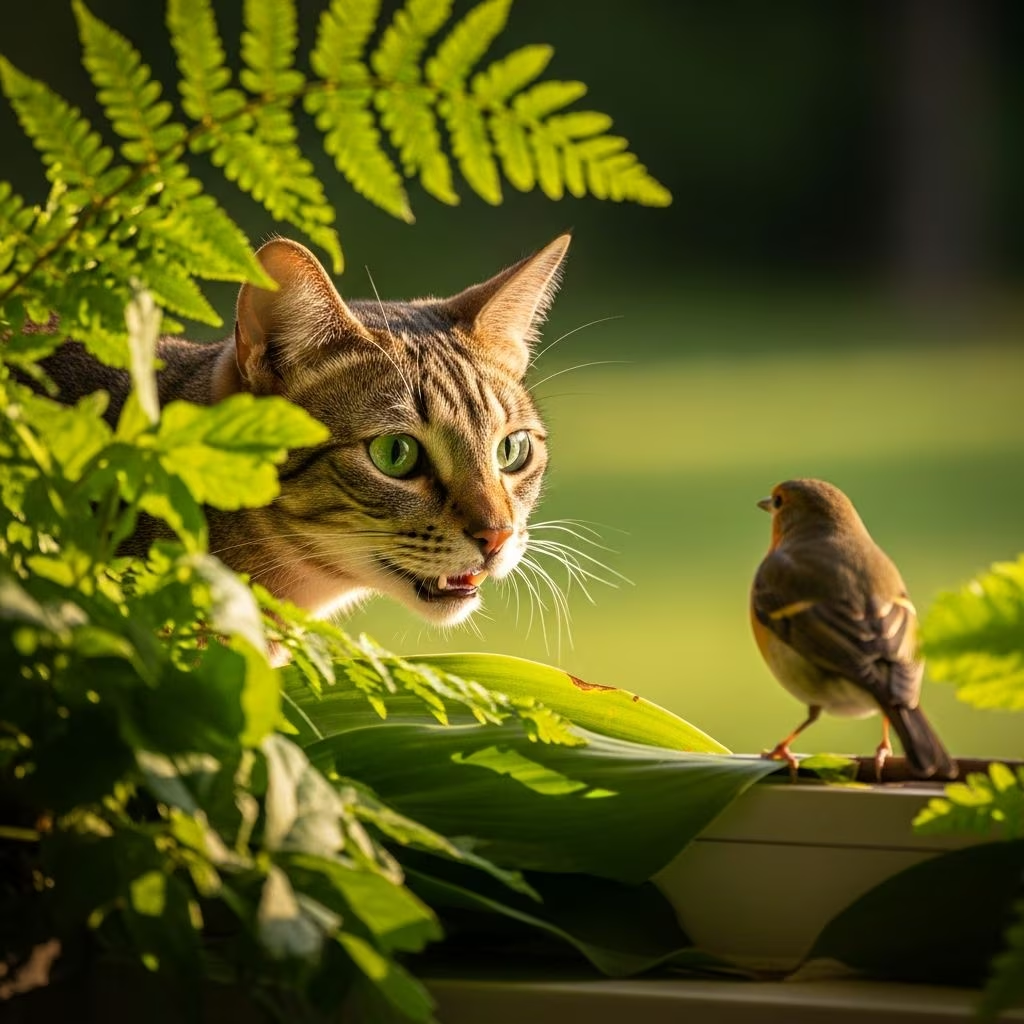
If you’ve ever watched your cat perched on a windowsill, eyes locked on a bird just beyond the glass, you’ve likely heard an unusual sound: a rapid-fire chirping, chattering, or twittering noise. This peculiar vocalization is one of the most endearing yet mysterious behaviors in the feline world. While the sound is undeniably cute, it’s often accompanied by intense body language—alert ears, a focused stare, a quivering mouth, and a swishing tail. But what exactly is your cat trying to communicate, and why does this behavior occur specifically when prey is in sight but out of reach? Understanding cat chirping provides fascinating insight into the wild predator still lurking within your domesticated house cat.
What Is Cat Chirping?
Cat chirping, also called chattering or twittering, is a distinctive vocalization that most cat owners will recognize at some point. The sound is characterized by rapid mouth movements combined with high-pitched squeaking, chirping, or clicking noises. Some cats produce a rhythmic “chitter-chitter-chitter” sound, while others create variations that almost mimic the calls of the birds they’re watching. The behavior is almost always triggered when a cat can see prey—such as a bird, squirrel, mouse, or insect—but cannot physically reach it. This distinction is crucial: cats rarely chatter when they can actually hunt their prey, as they maintain stealth and silence during actual hunting sequences.
The physical posture accompanying chirping reveals the predatory nature of the behavior. A chirping cat will typically display alert ears pointed forward, dilated pupils, and an intensely focused gaze. Their tail often swishes back and forth rhythmically, and their entire body may quiver with excitement or frustration. Some cats even twitch their hindquarters, mimicking the movements they would make during an actual pounce. This combination of vocalizations and body language creates a remarkable window into your cat’s internal experience as a hunter confined by domestic circumstances.
The Predatory Instinct Behind Chirping
The most widely accepted explanation for cat chirping centers on the predatory instinct that remains hardwired into feline brains despite thousands of years of domestication. Cats are obligate carnivores with sophisticated hunting programs encoded in their DNA. Whether your cat has ever caught a mouse or spent its entire life indoors, the hunting drive remains active and responsive to triggers. When a cat spots potential prey, this ancient programming activates, creating an internal conflict between the desire to hunt and the inability to do so through physical barriers or distance.
From an evolutionary perspective, this predatory response has served cats well for millions of years. Cats evolved as solitary hunters with incredible sensory abilities and precise motor control. The sight of movement—whether it’s a bird fluttering, a rodent scurrying, or even a moth dancing across a wall—triggers an automatic cascade of neurological responses. The cat’s brain enters hunting mode, flooding the body with adrenaline and activating instinctive behavioral patterns. The chirping appears to be an expression of this heightened state, a physical manifestation of the cat’s internal struggle between predatory desire and practical limitation.
Major Theories Explaining Why Cats Chirp
While the predatory trigger is clear, scientists and animal behaviorists have proposed several fascinating theories to explain the specific mechanism and purpose of chirping:
The Killing Bite Mimicry Theory
One prominent theory suggests that chattering mimics the killing bite or death bite that cats would normally deliver to terminate their prey. In the wild, a cat’s final hunting move is a precision jaw snap to the back of the neck, designed to sever the spinal cord of small animals. According to this theory, the rapid jaw movement and teeth chattering during window-watching represent an instinctive rehearsal of this lethal technique. The cat’s muscle memory activates in response to seeing prey, and the chattering is essentially the cat “practicing” the killing bite even though no actual prey is within reach. This theory is supported by the observation that cats often chatter right before pouncing on toys or actual prey.
The Frustration Response Theory
Another compelling explanation focuses on frustration as the driving force behind chirping. According to this theory, the combination of seeing desirable prey and being unable to reach it creates a state of emotional frustration in the cat. The bird is close enough to see clearly, near enough to smell potentially, but separated by an uncrossable barrier—whether that’s a window, a fence, or distance. This unattainable prey situation provokes an emotional response that the cat expresses through vocalizations and physical agitation. Some animal behaviorists compare it to a human muttering under their breath in exasperation or letting out a low growl of frustration. The chirping and chattering become an outlet for this pent-up predatory energy and emotional frustration.
The Adrenaline Rush Theory
Related to frustration but distinct in mechanism, some researchers propose that cats chatter due to a rush of adrenaline triggered by spotting prey. When a cat sees a bird, their body experiences a surge of hormones and neurotransmitters associated with excitement and arousal. This adrenaline rush creates a state of heightened alertness and physical stimulation. The chirping and chattering may be an automatic response to this physiological state, similar to how humans might squeal in excitement or shout with enthusiasm. Interestingly, some cats also chatter and chirp at toys, suggesting that the adrenaline response to potential prey—even simulated prey—can trigger the behavior.
The Prey Mimicry Theory
Perhaps the most innovative and intriguing theory involves prey mimicry. Groundbreaking research from 2005 documented wild cats in the Amazon rainforest mimicking the calls of their prey to lure them closer. Researchers from the Wildlife Conservation Society observed a margay, a small wild cat, deliberately mimicking the chattering calls of pied tamarin monkeys it was hunting. Local residents had long reported anecdotal evidence of jaguars and pumas mimicking the calls of small primates and rodents. This vocal manipulation represents a sophisticated hunting strategy that increases the predator’s chances of getting close enough to strike. The theory suggests that domestic cats may retain this instinctive ability to mimic prey sounds, and their chirping at birds could represent an attempt to lure the birds closer by imitating their vocalizations. This would explain why cats sometimes produce sounds remarkably similar to bird calls.
The Scent Detection Theory
Some researchers propose an additional dimension involving scent perception. Cats possess a sophisticated scent organ called the Jacobson’s organ located above the roof of their mouth. When cats perform rapid jaw movements and mouth opening during chattering, they may be attempting to manipulate air flow through the ducts behind their upper incisors to gather scent information about the prey. This theory suggests the chattering serves a dual purpose: both a predatory response and a mechanism for enhancing sensory information gathering.
When Do Cats Chirp?
Understanding the specific contexts in which cats chirp provides valuable insights into the behavior:
Bird Watching
The most common trigger is watching birds through a window or at a distance. Whether your indoor cat observes wild birds in your yard or outdoor cats spot birds in trees, the sight of avian prey almost universally triggers chirping behavior in cats.
Other Prey Animals
While birds are the most notorious target, cats also chirp at squirrels, mice, insects, moths, and other small creatures that exhibit prey-like movement and behavior.
Interactive Toys
Some cats also chirp at toys, particularly those that simulate prey movement such as feather wands or motorized toys. This suggests the trigger is visual movement and prey-like behavior rather than the specific nature of the target.
Motion Triggers
Interestingly, cats have been known to chirp at moving ceiling fans, flickering lights, or even their own reflections. Any movement that activates the predatory visual tracking system can potentially trigger chirping.
The Importance of Mental Stimulation
Chirping behavior actually indicates something positive about your cat’s mental state. When your cat chirps at birds or engages in this behavior, it demonstrates that they are mentally engaged, alert, and cognitively stimulated. The behavior reflects an active hunting program and demonstrates that your indoor cat’s instincts remain sharp despite living in a human environment.
Far from being a concern, occasional chirping is usually a healthy sign of a mentally active cat. To keep your cat’s instincts engaged and provide appropriate stimulation, experts recommend several strategies: placing cat perches near windows for bird watching opportunities, positioning bird feeders where your cat can view them safely, or even streaming bird videos specifically designed for feline viewers. These enrichment activities satisfy your cat’s visual hunting drive in a safe, contained manner.
When Chirping Becomes Concerning
While occasional chirping is normal and even desirable, excessive or constant chattering may indicate underlying issues. If your cat is chirping excessively without relief or displays signs of agitation, frustration, or anxiety, it could signal boredom or unmet environmental needs. In these cases, providing interactive play with toys like feather wands, puzzle feeders, and other enrichment activities can help channel the predatory instinct constructively. If excessive vocalization is accompanied by other behavioral changes or signs of stress, consulting with a veterinary behaviorist is advisable.
How to Enrich Your Cat’s Life
Understanding why your cat chirps opens opportunities to provide better enrichment:
Window Perches and Bird Watching
Create comfortable window perches where your cat can safely observe outdoor birds and wildlife. This provides natural, free enrichment that engages their hunting instincts appropriately.
Interactive Play Sessions
Regular play with feather wands, string toys, and other interactive toys helps satisfy the predatory drive in a controlled environment. Aim for multiple short play sessions throughout the day.
Bird and Wildlife Feeders
Position bird feeders outside windows where your cat can view them from their perches. The movement and activity provide endless entertainment.
Video Entertainment
Special bird videos designed for cats provide motion and sounds that engage their visual system when live outdoor viewing isn’t available.
Puzzle Feeders and Hunt Play
Puzzle feeders require cats to use their hunting and problem-solving skills during meals, satisfying multiple instincts simultaneously.
Frequently Asked Questions
Q: Is chirping behavior unique to domestic cats?
A: No, chirping and chattering appear across different cat species. Wild cats, including those in the Amazon rainforest, exhibit similar vocalizations when hunting or observing prey. The behavior seems to be an ancient instinctive response present in many felids.
Q: Can I stop my cat from chirping at birds?
A: Chirping is a natural instinctive behavior that’s difficult to completely eliminate. Rather than preventing it, focus on providing appropriate outlets through enrichment. Excessive chirping can sometimes be reduced through interactive play and mental stimulation, but occasional chirping is normal and healthy.
Q: Why does my cat chirp at ceiling fans?
A: Ceiling fan movement triggers your cat’s prey detection system. The rotating blades create motion patterns similar to flying birds or moving prey, activating the same predatory responses that lead to chirping at actual birds.
Q: Does chirping mean my cat is unhappy?
A: Not at all. Chirping indicates your cat is mentally engaged and their hunting instincts are active. Rather than a sign of unhappiness, it suggests your cat is mentally stimulated and alert. However, constant chirping with signs of frustration might indicate unmet environmental needs.
Q: Should I let my cat outside to hunt birds?
A: This is a personal decision involving considerations beyond chirping behavior. While outdoor access allows cats to express hunting instincts naturally, indoor cats can live fulfilling lives with appropriate enrichment. Many experts recommend keeping cats indoors due to safety concerns and ecological impact on bird populations.
Q: Do all cats chirp?
A: While chirping is common, not all cats exhibit this behavior to the same degree. Individual personality, experience, and breed tendencies influence vocalization patterns. Some cats are naturally more vocal than others, but the predatory instinct behind chirping is universal in cats.
References
- Why Do Cats Chatter at Birds? — Cat in a Flat. 2023-01-28. https://catinaflat.com/blog/why-do-cats-chatter-at-birds
- Why Cats Chirp at Birds: A Window to the Wild Within — Asheville Cat Weirdos. https://ashevillecatweirdos.org/why-cats-chirp-at-birds-a-window-to-the-wild-within
- What Is Cat Chirping and Why Do Cats Do It? — Hill’s Pet Nutrition. https://www.hillspet.com/cat-care/behavior-appearance/cat-chirping
- Why Do Cats Chirp At Birds? — Feline Fab. 2019-03-28. https://imfelinefab.com/behavior/2019/3/28/why-does-my-cat-chirp-at-birds-d9ecx



