

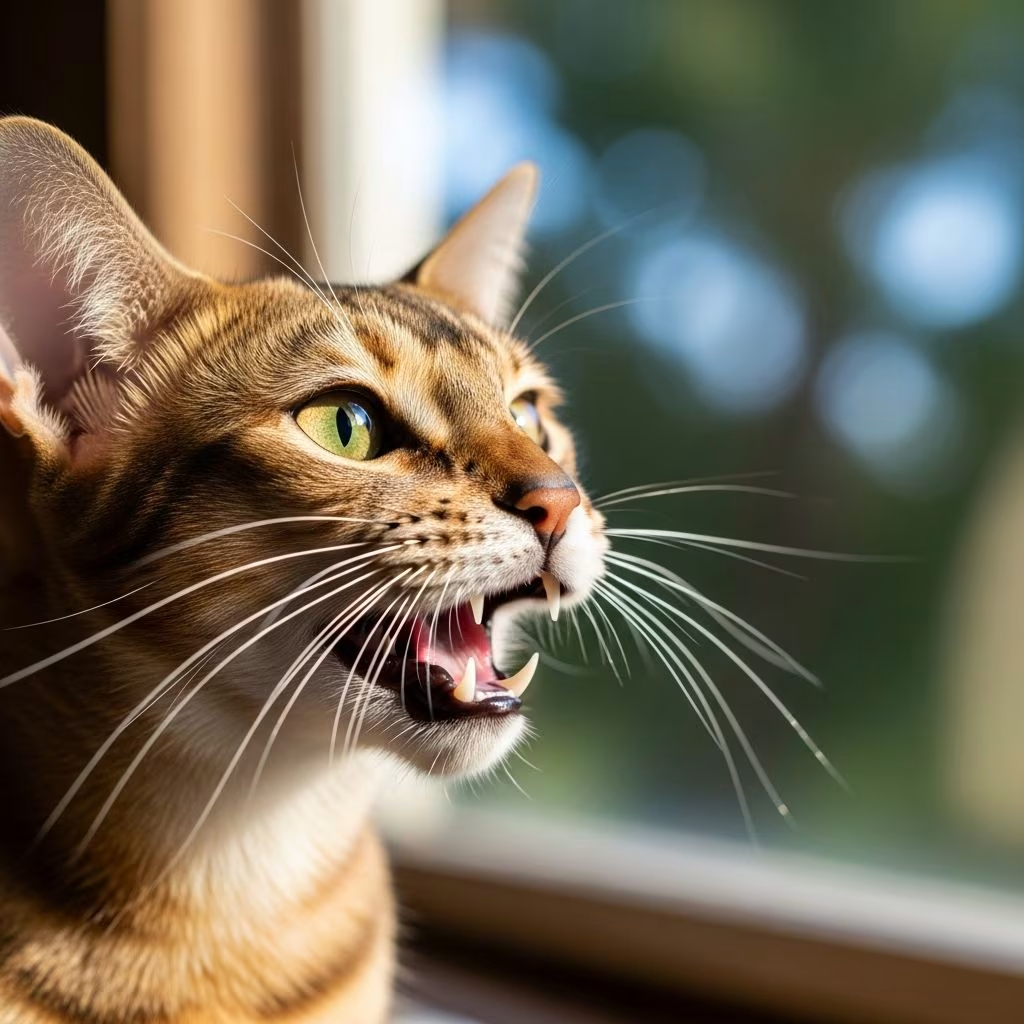
Cat chattering is one of the most intriguing vocalizations our feline friends produce. You’ve likely seen your cat freeze at a window, eyes locked on a bird or insect, jaws quivering as they emit a rapid series of chirps, chatters, or twittering sounds. This behaviour, often called cat chattering, chirping, or twittering, captivates cat owners worldwide. But what does it mean? Is it excitement, frustration, or something more primal?
In this comprehensive guide, we’ll dive deep into the science, theories, and contexts behind cat chattering. Drawing from veterinary insights, behaviourist research, and evolutionary biology, we’ll explore why cats chatter, when it happens, and how it connects to their wild ancestors. Whether your cat chatters at birds through glass, laser pointers, or even your sneeze, understanding this behaviour strengthens the bond with your pet and enriches their environment.
What Is Cat Chattering?
Cat chattering refers to a distinctive, high-pitched vocalization characterized by quick, repetitive sounds resembling chittering, chirping, or stuttering. It’s distinct from meowing, purring, or hissing—often accompanied by intense staring, twitching tail, and quivering jaws. This behaviour typically triggers when a cat spots potential prey like birds, squirrels, insects, or lizards just out of reach.
Researchers like Dr. Susanne Schötz, a cat vocalization expert, describe it as a response when ‘a bird or insect catches their attention… The cat becomes riveted to the prey, and starts to chirp, tweet and chatter.’ Sometimes, cats even mimic the prey’s calls, showcasing their sophisticated communication skills. Not all cats chatter equally; vocal breeds like Siamese are more prone, but it’s an instinctive behaviour seen across all domestic cats, wildcats, and big cats.
Chattering usually lasts seconds to minutes, often ending with the cat leaping or pawing at the air. Indoors, it’s common at windows; outdoors, feral cats chatter less vocally to avoid detection, highlighting how domestic cats adapt communication for humans.
Why Do Cats Chatter? 5 Leading Theories
Cat behaviourists propose several theories for chattering, rooted in instinct, emotion, and evolution. No single explanation fits all, but they often overlap.
- Hunting Instinct and Excitement: The dominant theory links chattering to predatory drive. When spotting prey, cats enter a heightened state of arousal. Chattering releases excitement as they fixate on the target, mimicking stalking sounds.
- Frustration Response: Prey behind glass or screens frustrates cats, unable to hunt. Chattering vents pent-up energy, like a sigh of ‘I can’t get it!’ This explains window chattering.
- Kill-Bite Simulation: Chattering replicates the jaw movement for the ‘kill bite’—a precise neck bite severing the spine. The quivering jaws practice this fatal strike, even without prey.
- Prey Mimicry: Cats may imitate bird chirps or insect sounds to lure prey closer, a tactic wildcats use. Domestic cats retain this vocal deception.
- Practice and Alertness: It hones hunting skills through sound mimicry and signals high alertness, preparing for pounce.
These theories aren’t mutually exclusive. A 2013 study by Schötz notes chattering as ‘high-pitched chatter and chirp… widespread vocalisations produced by felines,’ triggered by visual prey cues.
Chattering in the Wild vs. Domestic Cats
To understand chattering, look to cats’ evolutionary past. Wild felines like lions, tigers, and cheetahs chatter at prey, signaling pride members for coordinated hunts. This social cue persists in domestic cats, who may ‘call’ owners or housemates.
Feral cats chatter sparingly to stay stealthy, unlike chatty housecats who vocalize more with humans. Domestic abundance of food doesn’t erase instincts; seeing birds reignites the hunter within, blending frustration with domestic comfort.
In multi-cat homes, chattering fosters cooperation—one cat alerts others, echoing wild packs. With owners, it shares excitement, inviting interaction.
Common Chattering Triggers
Beyond birds, cats chatter at various stimuli:
- Laser Pointers: Mimics uncatchable prey, causing frustration. Pair with catchable toys to avoid irritation.
- Insects and Small Animals: Flies, lizards, or squirrels prompt instinctive responses.
- TV or Videos: Bird videos elicit chattering, proving visual triggers suffice.
- Other Cats: Rare, but may mimic mother-kitten chirps for communication.
- Sneezes or Noises: Mimicry or annoyance; cats may imitate human sounds from kittenhood learning.
Is Cat Chattering a Sign of Pain or Illness?
Usually benign, excessive chattering warrants monitoring. Dental disease or oral pain can cause jaw quivering, as cats hide discomfort while eating. Stress, cognitive decline in seniors, or hyperthyroidism may increase vocalizations.
Consult a vet if chattering pairs with lethargy, appetite changes, or aggression. Regular dental checks prevent overlooked issues.
How to Encourage Healthy Chatting (and Reduce Frustration)
Channel instincts positively:
- Provide window perches for safe bird-watching.
- Use interactive toys mimicking prey (feather wands, treat puzzles).
- Enrich environment: scratching posts, climbing trees, puzzle feeders.
- Play daily 15-20 minutes at dawn/dusk, prime hunting times.
- Avoid sole laser use; end sessions with ‘kill’ toy.
These reduce frustration, prevent obesity, and strengthen bonds.
Fun Facts About Cat Chattering
- All cats chatter—kittens start young, practicing skills.
- Big cats like cougars chatter identically.
- Siamese ‘talk’ most, chattering relentlessly.
- Cats mimic prey better than dogs, per vocal studies.
- Chattering boosts endorphins, like a ‘runner’s high.’
Frequently Asked Questions (FAQs)
Q: Do all cats chatter?
A: Yes, it’s instinctive across breeds, ages, and wild/domestic cats.
Q: Why do cats chatter at birds through windows?
A: Frustration from barriers mixes with hunting excitement and kill-bite practice.
Q: Why do cats chatter at laser pointers?
A: Lasers simulate uncatchable prey, sparking frustration; balance with real toys.
Q: Is chattering a sign of pain?
A: Rarely, but check for dental issues or illness if excessive.
Q: Why do cats chatter when I sneeze?
A: Likely mimicry from kittenhood or annoyance at loud sounds.
Q: Should I worry if my cat chatters a lot?
A: Normal if prey-triggered; vet if sudden or with other symptoms.
Conclusion
Cat chattering bridges domestic pets and wild predators, revealing raw instincts. By understanding it—hunting drive, frustration, mimicry—you decode your cat’s world. Embrace it with enrichment for a happier feline.
References
- Decoding Feline Chatter: The 5 Common Reasons Behind Your Cat’s Meowing — The Animal Doctors. 2023. https://www.theanimaldoctors.org/decoding-feline-chatter-the-5-common-reasons-behind-your-cats-meowing/
- Why do cats chatter? | Expert Insights — The Cat Behavior Clinic. 2023. https://www.thecatbehaviorclinic.com/why-do-cats-chatter/
- What Is Cat Chattering & Why Do Cats Do It — Cats.com. 2023. https://cats.com/cat-chattering
- What Is Cat Chirping and Why Do Cats Do It? — Hill’s Pet Nutrition. 2023. https://www.hillspet.com/cat-care/behavior-appearance/cat-chirping



