

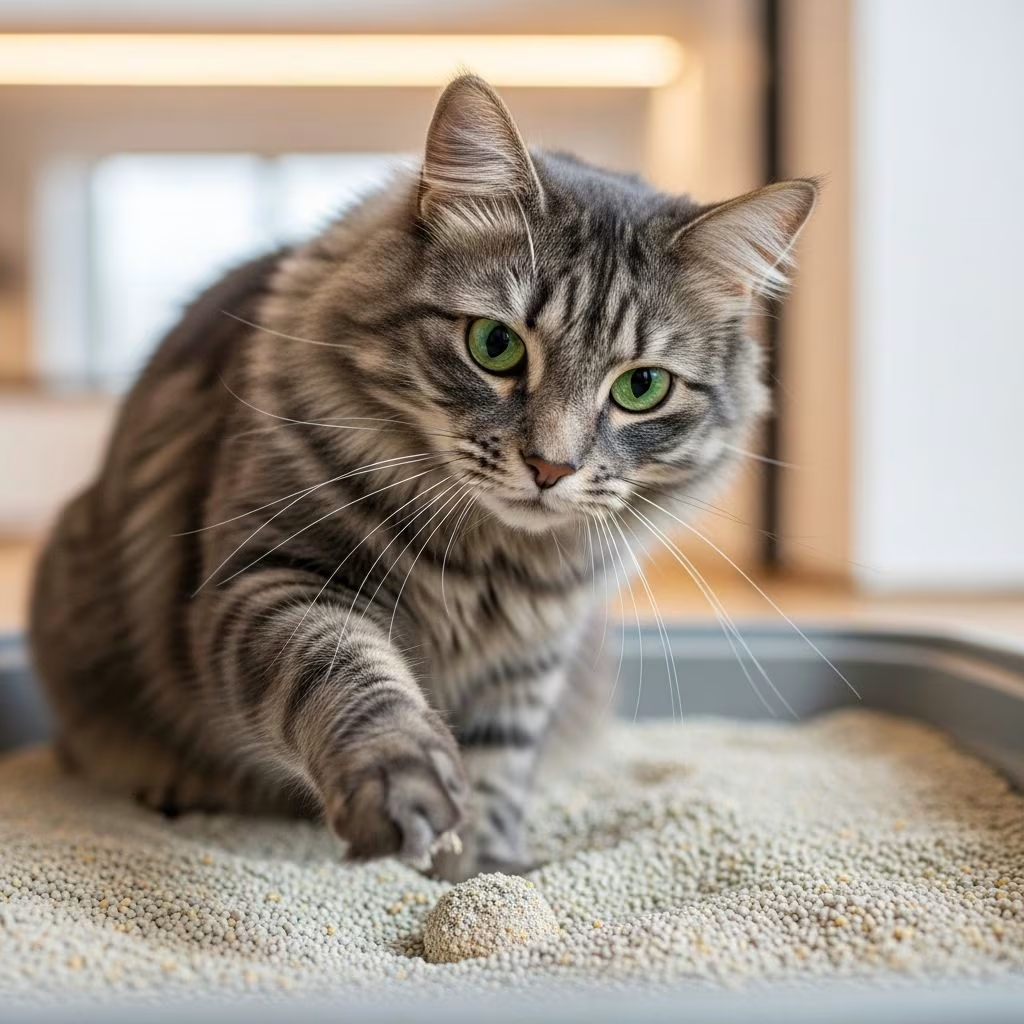
Q: My cat covers their poop in the litter box every time they do their business. But why do cats bury their poop? Is this normal?
A: Yes, it’s completely normal for cats to bury their poop. Felines are highly renowned for their cleanliness—even when it comes to covering their feces. As with many other behavioral quirks in cats, this too is deeply ingrained in their nature. Burying poop is rooted as a survival instinct that has been passed down through generations from their wild ancestors to our modern domestic companions.
The Instinctual Behavior: Why Cats Bury Their Poop
When cats bury their poop, it’s 100% an instinctual, “survival of the fittest” evolved hardwired trait that has been refined over thousands of years of evolution. This behavior is not simply a matter of preference or learned habit—it’s written into their DNA. Cats’ cleanliness with regard to their bathroom habits plays a crucial role in their survival strategy and continues to influence their behavior even in safe domestic environments.
Ultimately, cats take the extra step to bury their poop to avoid drawing predators to themselves and their whereabouts. Being as elusive as possible is important for survival, and scent is what predator and competitor cats are paying most attention to in nature. By masking their waste, cats reduce the scent trail that could lead predators directly to them or to their vulnerable offspring. This instinct remains so powerful that even indoor cats, living in completely safe environments without any natural predators, will continue to bury their waste out of pure biological programming.
Evolutionary Origins and Wild Cat Ancestors
The behavior of burying feces originated from cats’ wild ancestors, particularly the African wildcat, and has been preserved through countless generations. In the wild, concealing waste was absolutely crucial for survival. The scent of feces could easily attract predators or alert prey to a cat’s presence, making the cat vulnerable to attack or preventing successful hunting. This evolutionary pressure selected for cats that instinctively buried their waste, and those genes have been passed down to modern domestic cats.
Research shows that nursing mothers and their kittens are particularly diligent about burying their waste, as this behavior helps protect vulnerable offspring from detection by predators. This maternal instinct has been preserved through generations of domestic cats, and it demonstrates how critical this behavior is to feline survival. Kittens learn and mimic this behavior from their mothers, displaying similar patterns by covering not only their own poop but also their siblings’ and nearby kittens’ poop to maintain the security of their nest.
The Role of Scent and Territory Marking
While cats do bury their poop, it’s important to understand that felines have a complex relationship with their waste as a form of communication. In the wild, cats rely on scent to communicate and survive, using both urine and feces as markers of territory. Cat poop may all smell the same to humans, but cats can tell their waste apart from another’s thanks to unique chemical scent markers called pheromones, which are present in their urine and feces.
In feline society, the way cats handle their waste can indicate their social status and dominance level. Dominant cats may deliberately leave their feces uncovered as a territorial marker, a behavior known as “middening.” This behavior signals confidence and establishes their presence and authority in a given area. Meanwhile, subordinate cats typically bury their waste to avoid confrontation with more dominant individuals and to minimize their presence in the social hierarchy.
Hygiene and Health Benefits
Cats are naturally clean animals, and burying waste serves important hygiene purposes beyond mere survival instinct. In the wild, leaving waste exposed can attract parasites and diseases. By burying their waste, cats significantly reduce the risk of encountering these health hazards. This behavior also keeps their living area clean, which is essential for a creature as meticulous as a cat.
The instinctual need for cleanliness explains why it’s not a great idea to place a cat’s litter box next to their food and water bowls. Your cat may refuse to poop or pee in a location where they believe they might be contaminating their food source. Additionally, sniffing their own feces may help cats monitor their internal health. Before burying their poop, cats may assess whether the waste looks and smells normal, which could indicate whether they’re experiencing any digestive issues or health concerns.
Physical stress can also result from dietary choices, particularly eating too much dry cat food and not enough wet cat food. When cats consume insufficient moisture, their poop can become too firm and cause them stress when trying to empty their bowels. Making sure your cat has enough wet cat food in their diet may help ease their bowel movements and reduce the physical strain of defecation.
Multi-Cat Dynamics and Territorial Behavior
This social dynamic related to waste-covering behavior can be observed in multi-cat households, where changes in burial behavior might indicate shifts in the household’s social hierarchy. When a cat that normally buries their feces suddenly stops, something might be off with their environment or their sense of security within the household dynamics.
Stress, anxiety, and fear, especially due to conflict with another cat, have a significant role in litter box habits. Cats may skip burying their waste if they feel there’s a chance they could be cornered in the litter box by a cat they don’t get along with. If your cat was bullied in or by the litter box, their fear will be triggered every time they set paw in the box, making them want to escape as quickly as possible rather than taking time to bury their waste.
When Cats Stop Burying Their Poop
While most cats instinctively bury their waste, some may not, or they may suddenly change this behavior. Several factors could contribute to this change:
– Dominance behavior or changes in social hierarchy
– Medical or health issues affecting the digestive system
– Litter box problems or inadequate facilities
– Stress, anxiety, or environmental changes
– Lack of early learning experience or improper litter training
Any sudden change in waste-covering behavior warrants attention from a pet owner, as it might indicate an underlying health or behavioral issue that needs to be addressed. Changes in litter box behavior are often one of the first signs that something is wrong with your cat’s physical or emotional wellbeing.
Environmental Factors Affecting Burial Behavior
If a cat that normally buries their feces suddenly stops, something might be off with their environment. Even subtle changes like moving the litter box to a new location or switching to a different litter brand can disrupt your cat’s comfort zone. Cats are creatures of habit, and any disruption in their bathroom routine is worth paying attention to.
Cats may refuse to bury their poop in certain situations or locations, including:
– Inside a closet
– Under a desk
– In a litter box cabinet
– Between a wall and a dresser
– In high traffic areas or areas where they don’t have a good view of the territory
Not having enough litter in their litter box or enough litter boxes for a multi-cat household can also cause cats to feel stressed and not cover their poop. The general recommendation is to have one litter box per cat, plus one extra, placed in different locations throughout the home to reduce stress and territorial conflicts.
Understanding Your Cat’s Behavioral Patterns
Kittens who were weaned early or didn’t get proper litter box training from their mother might simply not know that burying is part of the normal program. Early socialization and observation of the mother cat’s litter habits are important for developing proper waste-covering behavior in kittens. Pet owners can gently encourage this behavior by providing appropriate litter substrates and maintaining a clean, stress-free litter box environment.
Other times, changes in burying behavior can be a matter of habit or learned behavior being disrupted by environmental changes. Domestic indoor cats harbor the same strong, self-protecting instincts as their wild counterparts. Even though there are no predators in your home, your cat may not be so sure, and will bury its waste just in case, maintaining the protective behaviors that have kept their species safe for millennia.
Frequently Asked Questions About Cat Poop Burying
Q: Why do cats instinctively bury their poop even in a safe home environment?
A: Cats bury their poop in safe environments due to deeply ingrained survival instincts inherited from their wild ancestors. This behavior is hardwired into their DNA and continues regardless of their current living situation. Even though your home is completely safe from predators, your cat’s biological programming compels them to maintain this protective behavior.
Q: How does burying poop help cats avoid predators and reduce territorial conflict?
A: Burying waste helps mask the scent that could attract predators or alert prey. In social situations with other cats, it helps prevent territorial disputes by minimizing the presence of territorial markers that might challenge other cats. By covering their waste, cats reduce their visibility and scent signature in their environment.
Q: Why do some dominant cats leave their feces uncovered while others bury it?
A: Dominant cats may leave feces uncovered as a territorial signal, asserting their presence and status. This behavior, known as middening, is more common in confident cats or those establishing territory in multi-cat environments. This is a deliberate communication strategy to warn other cats of their presence and dominance.
Q: What should I do if my cat suddenly stops burying their poop?
A: Any sudden change in waste-covering behavior warrants attention and investigation. Check for environmental changes, litter box issues, signs of stress or conflict with other cats, or potential health problems. If the behavior persists, consult with your veterinarian to rule out medical issues.
Q: Is it normal for kittens to not bury their poop right away?
A: Yes, kittens learn this behavior from their mothers and littermates. Those that were weaned early or didn’t have proper exposure to litter training may not immediately understand the behavior. With proper litter box training and a clean, appropriate substrate, most kittens will develop this instinct naturally.
Q: How does diet affect a cat’s ability to bury their poop?
A: A diet too high in dry cat food and low in wet food can result in firm, difficult-to-pass stools that cause physical stress. This stress may prevent your cat from taking the time to bury their waste. Ensuring adequate moisture in your cat’s diet can improve bowel health and comfort.
Conclusion
The instinct to bury waste is a fascinating example of how cats’ evolutionary past continues to influence their modern behavior. Understanding this natural instinct helps us better care for our feline companions and appreciate their complex behavioral patterns. Whether it’s driven by survival instinct, health benefits, or social hierarchy, burying poop is a deeply ingrained and normal feline behavior that deserves recognition as one of the many remarkable aspects of cat nature. By maintaining a clean, stress-free litter box environment and paying attention to changes in your cat’s waste-covering habits, you can ensure your feline friend remains healthy, happy, and secure.
References
- Why Do Cats Bury Their Poop? Is This Normal? — Chewy. 2024. https://www.chewy.com/education/cat/training-and-behavior/why-do-cats-bury-their-poop
- Why Cats Bury Their Poop: Evolutionary Behavior Explained — PetsCare. 2024. https://www.petscare.com/news/post/cats-bury-poop-evolutionary-behavior
- Why Do Cats Bury Their Poop? — Rover. 2024. https://www.rover.com/blog/why-cats-bury-poop/
- Why Do Cats Bury Their Poop? — Live Science. 2024. https://www.livescience.com/33147-why-do-cats-bury-their-poop.html
- Cat Instincts and Behavior — Healthy Paws Pet Insurance. 2024. https://www.healthypawspetinsurance.com/blog/why-do-cats-bury-their-poop
- Why Do Cats Bury Their Poop? — 441 Animal Hospital. 2024. https://441animalhospitalboca.com/blog/cats-bury-their-poop/



