

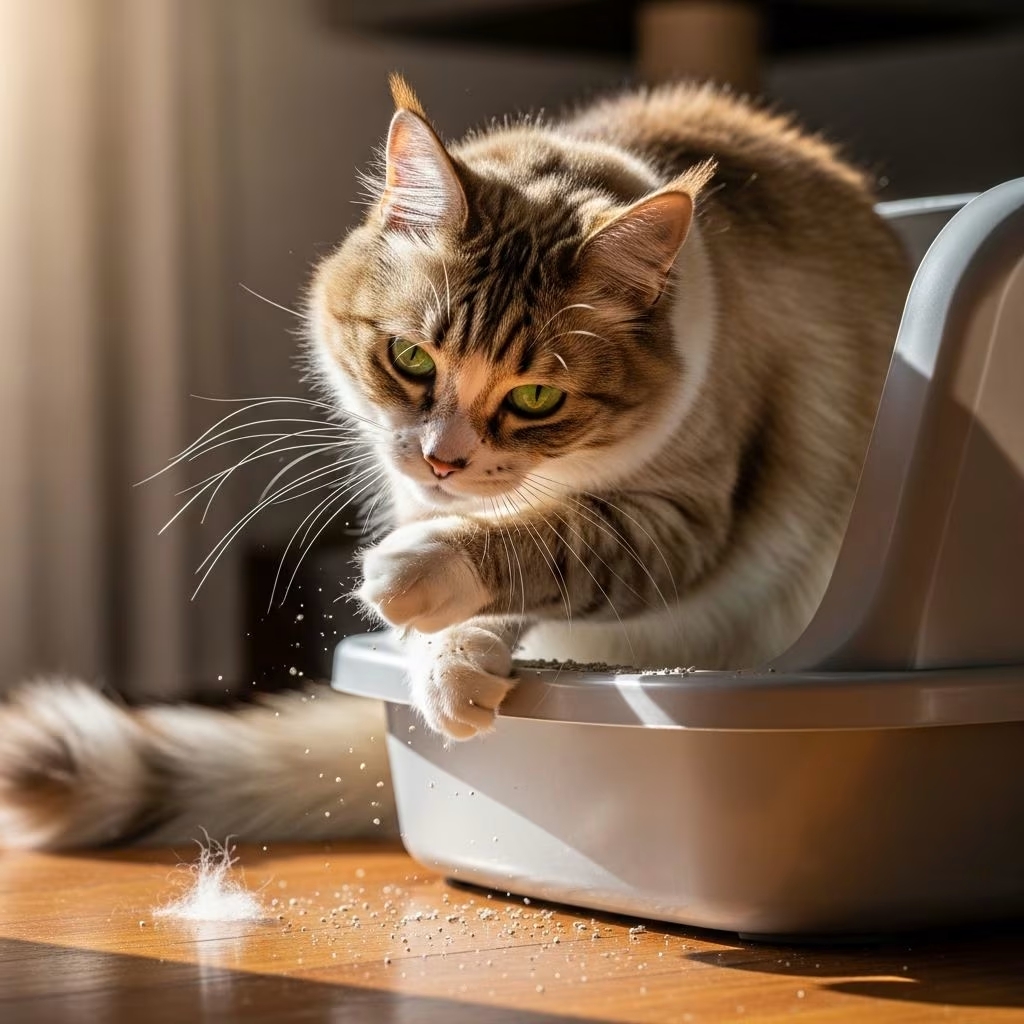
Cats burying their poop is a common and natural behavior rooted in their wild ancestry, serving purposes like survival, hygiene, and social signaling. This instinctive action helps them hide scents from predators, maintain cleanliness, and manage territory in multi-cat settings.
A Wildly Instinctual Behavior
Domestic cats retain behaviors from their wild ancestors, where burying waste was crucial for survival. Smaller wildcats, positioned lower in the food chain, covered feces to mask their scent and avoid detection by predators like larger felines or other threats.
In the wild, cats act as both predators and prey. Their instincts drive them to conceal waste, reducing the risk of alerting bigger animals to their presence or location. Dr. Preston Turano notes this carries over to pets, protecting against perceived dangers even in safe homes.
Cat poop contains pheromones—chemical scent markers unique to each individual. Burying hides these signals from rivals or predators, while dominant cats might leave waste uncovered to mark territory.
A 2024 study highlighted that nursing mothers and kittens bury poop more frequently to protect nests, concealing chemical cues from threats.
Hygiene and Cleanliness
Beyond survival, cats bury poop for hygiene. Wild cats avoid contaminating food and water sources, a trait persisting in pets. Burying reduces parasite and disease risks by containing waste odors and bacteria.
Cats are fastidious groomers, and this extends to their environment. Exposed waste could attract insects or spread illness, so covering it keeps their space sanitary. Experts like Joey Lusvardi emphasize this curbs diseases, giving wild cats an evolutionary edge.
In homes, place litter boxes away from food bowls to honor this instinct—proximity may deter use.
Social Dynamics and Territory
In multi-cat households, burying communicates hierarchy. Submissive cats hide waste to avoid conflict, while alphas may leave it exposed to assert dominance via pheromones.
Stress from territorial disputes can alter habits. A cat feeling vulnerable might rush out without burying, prioritizing escape over coverage.
Environmental and Litter Box Factors
Cats thrive on routine; changes like relocating the litter box, switching litter types, or insufficient depth can disrupt burying. Dirty boxes or poor locations (e.g., high-traffic areas) cause aversion.
- Litter preferences: Clumping, unscented litter mimics soil best.
- Box count: One per cat plus one extra in multi-cat homes.
- Location tips: Quiet, accessible spots with escape routes; avoid near appliances or food.
Insufficient litter (less than 2-3 inches) hinders digging. Covered boxes offer privacy but ensure ventilation.
Health Issues That Prevent Burying
Sudden changes signal problems. Pain from arthritis, especially in seniors, makes digging arduous. Gastrointestinal issues, constipation, or diarrhea sap energy for burial.
Watch for:
- Straining or yowling in the box.
- Frequent genital/anal licking.
- Blood in stool or urine.
- Lethargy or appetite loss.
Consult a vet promptly—these may indicate urinary tract infections, megacolon, or parasites.
Diet matters: Excess dry food firms stool, causing discomfort. Balance with wet food eases elimination.
Why Some Cats Don’t Bury Their Poop
Not all cats bury consistently. Kittens weaned early miss maternal training. Confident or dominant pets mimic wild lions, leaving waste to mark turf.
Medical or stress factors dominate unexplained changes. Track patterns: If selective (e.g., only poop, not pee), investigate further.
How to Encourage Burying Behavior
Promote natural habits with these steps:
| Issue | Solution |
|---|---|
| Inadequate litter | Provide 3+ inches of fine-grained, clumping litter. |
| Box setup | Use large, uncovered boxes in low-traffic, private areas. |
| Diet | Incorporate wet food; ensure hydration. |
| Training | Gently guide paws to bury post-use; reward success. |
| Cleanliness | Scoop daily; full changes weekly. |
Multi-cat harmony requires ample boxes. Positive reinforcement builds confidence.
Frequently Asked Questions
Is it normal for cats to bury their poop?
Yes, it’s a standard instinct for survival, hygiene, and privacy.
Why did my cat stop burying poop suddenly?
Possible causes: stress, pain, litter issues, or dominance. Vet check recommended.
Do all cats bury their waste?
Most do, but dominants or untrained kittens may not.
Should I worry if my cat buries excessively?
Usually not, but paired with other signs (e.g., over-grooming), it may indicate anxiety.
Can diet affect burying habits?
Yes, hard stools from dry food diets hinder comfort.
Do outdoor cats bury poop?
Many do in gardens to hide scents, mirroring wild behavior.
Conclusion
Understanding why cats bury poop reveals their sophisticated instincts blending survival, cleanliness, and social cues. Monitor changes to ensure health and happiness—most issues resolve with environmental tweaks or vet care. Embrace this quirky trait as a window into your cat’s wild heritage.
References
- Why Do Cats Bury Their Poop? — PrettyLitter. 2023. https://www.prettylitter.com/blog/why-do-cats-bury-their-poop
- Why Cats Bury Poop — Rover.com. 2023. https://www.rover.com/blog/why-cats-bury-poop/
- Why Do Cats Bury Their Poop? Is This Normal? — Chewy. 2024. https://www.chewy.com/education/cat/training-and-behavior/why-do-cats-bury-their-poop
- Why Do Cats Bury Their Poop? — Cats.com. 2023. https://cats.com/why-do-cats-bury-their-poop
- Why Do Cats Bury Their Poop? — Live Science. 2013-10-28. https://www.livescience.com/33147-why-do-cats-bury-their-poop.html
- Why Do Cats Bury Their Poop? — 441 Animal Hospital. 2023. https://441animalhospitalboca.com/blog/cats-bury-their-poop/
- Why Some Cats Don’t Cover Their Poop or Pee — Pottycats. 2023. https://pottycats.com/blogs/cat-care/why-some-cats-don-t-cover-their-poop-or-pee



