

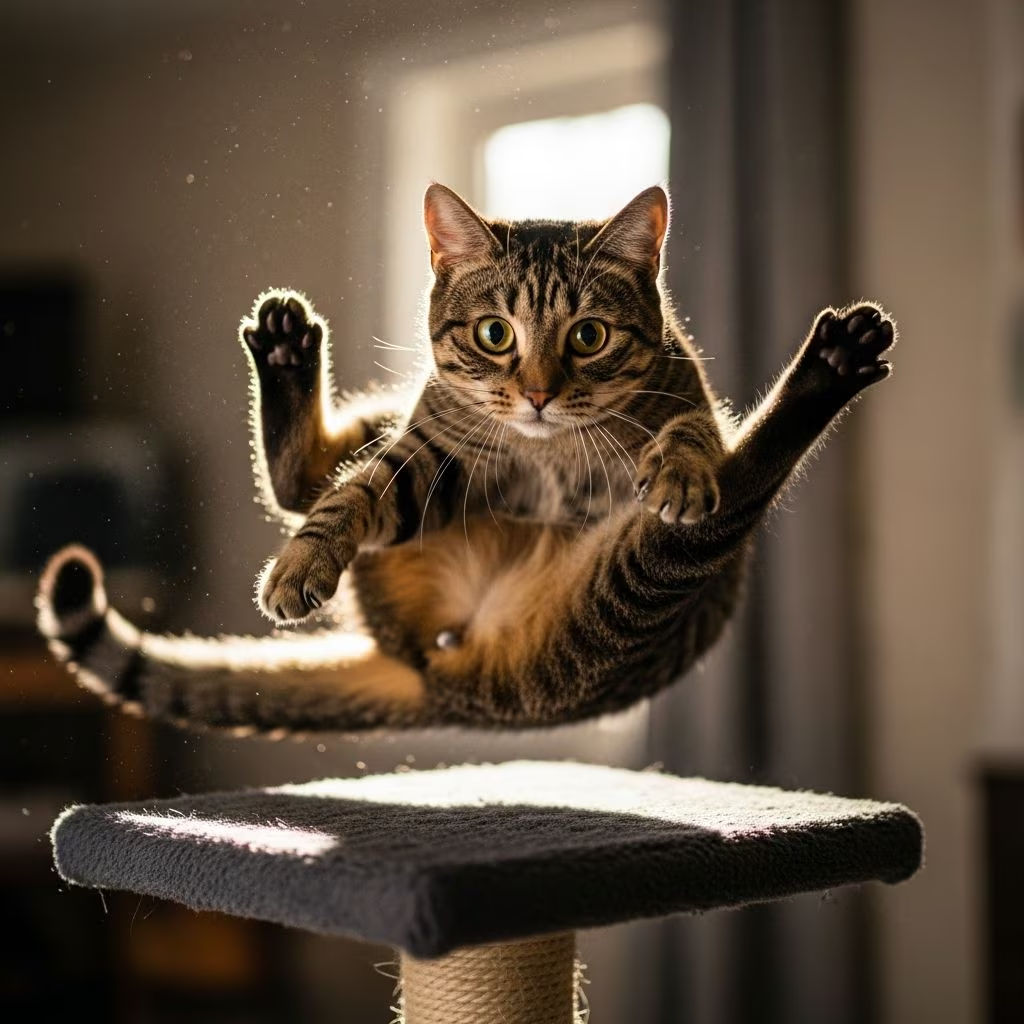
Cats bunny kick by grabbing an object, toy, another cat, or even your arm with their front paws and rapidly kicking with their powerful hind legs, mimicking a rabbit’s thumping motion. This behavior stems from their innate instincts for play, hunting, and self-defense, as explained by certified cat behaviorists and veterinarians.
What Is a Cat Bunny Kick?
The bunny kick is a distinctive feline action where a cat holds a target—such as a toy, prey, or playmate—with its front paws while delivering quick, forceful kicks from the hind legs. It resembles a rabbit thumping the ground and is most visible during intense play sessions or mock battles. Even domestic cats retain this wild trait, using it to simulate capturing and subduing prey.
This move showcases a cat’s agility and strength. Their flexible bodies, sharp claws, and muscular hindquarters make it an effective technique. Kittens first learn it through play-fighting with littermates and their mother, honing skills essential for survival in the wild.
Why Do Cats Bunny Kick?
Cats perform bunny kicks for several instinct-driven reasons. Understanding these helps owners distinguish between harmless play and potential issues like overstimulation or aggression.
Play Hunting
Domestic cats preserve their predatory heritage. Bunny kicking mimics how wild cats secure prey with front paws and disembowel it using rear claws. During play, cats pounce, bite, bat, and bunny kick toys to practice these skills. This energetic behavior releases pent-up energy and satisfies their hunting drive, even without real prey.
For instance, when a cat catches a mouse or bird at home, it may bunny kick to immobilize it before deciding to eat or toy with it further. Interactive toys like feather wands or kicker toys trigger this response, providing a safe outlet.
Overstimulation
If play escalates too far, cats bunny kick to signal overload. What starts as enjoyable petting or wrestling can turn into defensive kicks when sensory input exceeds their threshold. Petting sensitive areas like the belly often leads here, as cats expose it in trust but react if touched too long.
Sudden switches to bunny kicking during human interaction indicate ‘that’s enough.’ Ignoring this can result in scratches or bites, so watch for early cues like tail flicking or ear twitching.
Defensive Behavior
Bunny kicking is a key self-defense tactic. When on their back—exposing the vulnerable abdomen—a cat grabs the threat with front paws and kicks ferociously with hind legs to push it away. This protects vital organs, aided by the ‘primordial pouch,’ a loose belly skin flap shielding internals.
In fights with other cats or perceived dangers, this aggressive move wards off attackers. Growling, hissing, flattened ears, and piloerection (hair standing up) accompany it, signaling real fear or anger rather than play.
Is It OK if Cats Bunny Kick Each Other?
Yes, bunny kicking between cats is typically normal during play, allowing them to sharpen instincts and bond. Kittens especially benefit, learning bite inhibition and social cues. However, monitor for escalation into true fights.
Signs of trouble include:
- Pinned-back ears
- Hair standing on end (piloerection)
- Stiff body posture
- Puffy or thrashing tail
- Growling or hissing
- One cat bullying the other consistently
If observed, separate them and redirect with toys. Ensure equal play opportunities to prevent frustration.
When Bunny Kicking Is a Problem
Bunny kicking turns problematic if directed at humans aggressively, causing injury, or if it signals underlying issues like stress, pain, or poor socialization. Frequent targeting of feet, hands, or during petting indicates overstimulation or redirected hunting.
Cats in multi-pet homes may bunny kick due to territorial disputes or resource guarding, like near food bowls. Sudden increases warrant a vet check for medical causes like hyperthyroidism or arthritis, which heighten irritability.
| Normal Play Bunny Kick | Problematic Bunny Kick |
|---|---|
| Relaxed body, upright ears, purring | Stiff posture, flattened ears, hissing |
| Short bursts, switches to other play | Intense, prolonged, targets humans |
| Both cats engaged equally | One-sided aggression or bullying |
How to Stop Cat Bunny Kicking
Never punish bunny kicking, as it stems from instinct and can erode trust. Instead, redirect and prevent triggers.
- Provide Appropriate Toys: Use kicker toys, stuffed animals, or wand toys mimicking prey. These channel energy safely away from you.
- Daily Play Sessions: 15-20 minutes of interactive play twice daily exhausts hunting urges, reducing surprise attacks.
- Recognize Body Language: Stop petting at subtle signs like skin rippling, tail thrashing, or ear changes. Avoid belly rubs if they trigger kicks.
- Calm Withdrawal: If kicked, freeze, then slowly withdraw without reaction. Resume with a toy later.
- Enrich Environment: Add scratching posts, climbing trees, and puzzle feeders for mental stimulation.
For persistent issues, consult a vet or certified behaviorist. They can rule out health problems and suggest tailored plans.
Understanding Your Cat’s Triggers
Each cat has unique sensitivities. Track patterns: Does it happen after naps, during high energy, or specific pets? A journal helps identify and avoid triggers. For example, some dislike foot movement, mistaking it for prey.
Respect their space. Exposing the belly shows trust, not always an invitation—rubbing it can betray that trust, prompting defense.
Fun Facts About Cat Bunny Kicks
- Bunny kicking evolved in wild felids for efficient prey dispatch, now a play staple in homes.
- Larger cats like lions use similar ‘belly raking’ in fights.
- The primordial pouch prevents self-injury during vigorous kicks.
- Kittens bunny kick instinctively within weeks of birth.
- Not all cats do it equally; personality and breed influence frequency (e.g., Bengals are more intense).
Frequently Asked Questions (FAQs)
Is bunny kicking a sign of aggression?
Not always—it’s often playful or instinctual. Context matters: relaxed play vs. defensive signs like hissing indicate true aggression.
Why does my cat bunny kick me during petting?
Overstimulation from prolonged touch, especially belly rubs. They enjoy it initially but reach a limit, using kicks to say ‘stop.’
How can I play with my cat without getting bunny kicked?
Use long wand toys or kickers to keep distance. End sessions before overstimulation, watching body language closely.
Should I let my cats bunny kick each other?
Yes, if playful and balanced. Intervene if one shows distress or aggression signs.
My cat bunny kicks a lot—is it normal?
Usually yes, for young or energetic cats. If sudden or intense, vet check for pain or stress.
Conclusion
Bunny kicking reveals the wild spirit in every house cat. By providing outlets, reading cues, and respecting boundaries, you foster a harmonious bond. Embrace this quirky behavior as part of what makes cats extraordinary companions.
References
- Why Do Cats Bunny Kick? — PetMD. 2023. https://www.petmd.com/cat/behavior/why-do-cats-bunny-kick
- Vet Guide 2025: Why Do Cats Bunny Kick? — Ask A Vet. 2025. https://askavet.com/blogs/news/vet-guide-2025-why-do-cats-bunny-kick-%F0%9F%90%B1%F0%9F%90%BE
- Why Does My Cat “Bunny Kick” Me? — Preventive Vet. 2023. https://www.preventivevet.com/cats/why-do-cats-bunny-kick
- Why Do Cats Bunny Kick? — Hill’s Pet Nutrition. 2024. https://www.hillspet.com/cat-care/behavior-appearance/cat-bunny-kicks
- 3 Reasons Why Your Cat Bunny Kicks And What To Do About It — Rover. 2023. https://www.rover.com/blog/cat-bunny-kick/



