

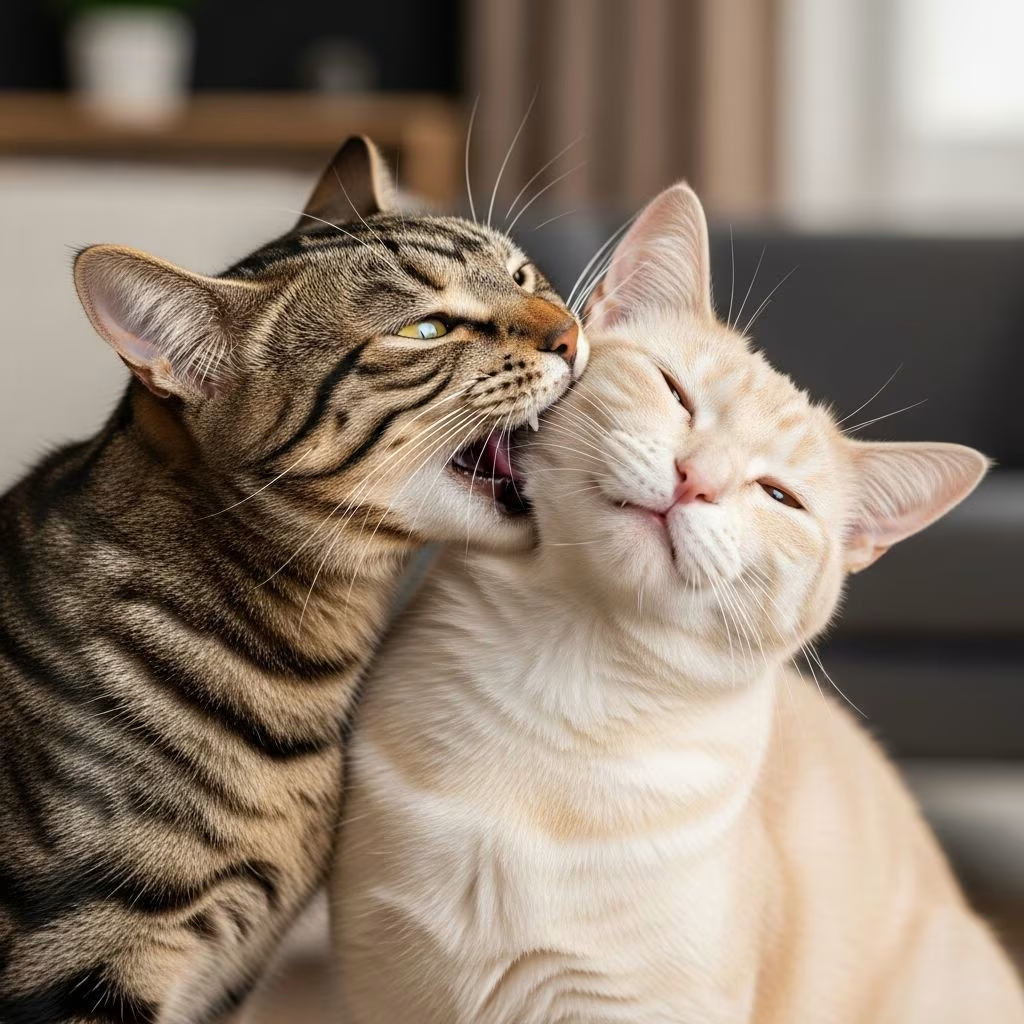
Cats biting each other’s necks is a common behavior observed in multi-cat households and feral colonies alike. This action, often targeting the scruff or back of the neck, serves multiple purposes rooted in their instincts as predators and social animals. While it can appear alarming to owners, it frequently represents normal feline communication rather than outright harm. Understanding the context—such as body language, vocalizations, and the cats’ relationship—helps differentiate playful antics from potential issues like aggression or health concerns.
The Instinct Behind Neck Biting
Neck biting traces back to cats’ wild ancestors, where grabbing the scruff immobilized prey or littermates. In domestic settings, this instinct manifests in social interactions. Kittens learn it early through play, honing hunting skills and bite inhibition, while adults use it for bonding, hierarchy establishment, or reproduction. According to veterinary behavior insights, this behavior strengthens social bonds and communicates intent without always causing injury.
Key evolutionary drivers include:
- Hunting practice: Mimics killing a prey animal by targeting the neck, a vulnerable spot.
- Maternal control: Mother cats carry kittens by the scruff, eliciting a reflex freeze response.
- Social signaling: Conveys dominance, affection, or submission within the group.
Playful Neck Biting: Harmless Fun or Practice?
One of the most frequent reasons cats bite necks is during play fighting, especially among kittens and young adults. This mock combat builds physical coordination, sharpens reflexes, and teaches social boundaries. Cats leap, pounce, and gently bite the neck while rolling around, often with tails twitching excitedly. Play biting rarely breaks skin and ends when one cat walks away or they both groom afterward.
Signs it’s playful include:
- Relaxed body posture with loose movements.
- Purring, chirping, or meowing softly.
- Equal participation—no one cat always on top.
- Bouncing or batting with paws before biting.
In multi-cat homes, play helps diffuse tension and reinforces friendships. However, if sessions last over 15 minutes or escalate to fur pulling, intervention may prevent overstimulation.
Mating Rituals: The Reproductive Reason
During mating, tomcats (unneutered males) instinctively bite the female’s neck scruff to hold her still. This ‘lordotic posture’ triggers the female’s mating reflex, where she raises her hindquarters and treads her back paws. The bite suppresses her movement, allowing quick intromission amid the brief 1-4 minute copulation. Females in heat may vocalize loudly (caterwauling) or swat initially, but accept the behavior.
This ritual peaks during estrus cycles, every 2-3 weeks in unspayed females. Neutering significantly reduces such displays, promoting calmer households. In same-sex pairs, residual hormonal influences can mimic this, with dominant cats pinning subordinates.
| Aspect | Mating Bite Characteristics | Play Bite Differences |
|---|---|---|
| Intensity | Firm grip, possible growling | Light, releasable hold |
| Duration | Brief, tied to copulation | Intermittent in long sessions |
| Context | Female in heat, mounting | Chasing, wrestling |
Dominance and Hierarchy: Establishing Who’s Boss
In social groups, neck biting asserts dominance. The top cat grabs a subordinate’s scruff to remind them of the pecking order, especially after introductions or resource disputes (e.g., food bowls, litter boxes). This is common in multi-cat homes where hierarchies shift with new members. The bitten cat often freezes or submits by crouching, avoiding retaliation.
Dominance bites are gentler than aggressive ones but firmer than play. Watch for flattened ears, arched backs, or swatting beforehand. Stable hierarchies show rare reassertions; frequent biting signals stress from overcrowding or unmet needs like vertical spaces.
Affection and Grooming: A Sign of Love?
Less aggressively, neck biting accompanies allogrooming (mutual licking), where bonded cats nibble necks to clean and bond. This ‘love bite’ variant expresses trust, akin to human hugs. Pairs that sleep intertwined or rub cheeks often engage in it. Purring and slow blinks confirm affection over conflict.
Distinguishing affectionate bites:
- Follows grooming sessions.
- No chasing or pinning.
- Both cats remain relaxed post-bite.
When Neck Biting Turns Aggressive: Red Flags
Not all neck biting is benign. Aggression arises from fear, pain, redirected frustration, or medical issues like hyperthyroidism or abscesses. In multi-cat dynamics, resource guarding (food, territory) or status challenges provoke intense bites with hissing, chasing, or skin punctures.
Warning signs:
- One cat always dominant, causing yelps or hiding.
- Blood, fur loss, or wounds.
- Stiff posture, dilated pupils, growling.
Overstimulation during play can flip to aggression; separate and redirect with toys.
Neck Biting Across Life Stages
Behavior evolves with age. Kittens bite necks prolifically in litters for socialization and motor skills. Juveniles (3-12 months) intensify play, establishing roles. Adults refine it for mating/dominance; seniors reduce frequency due to lower energy but may bite from arthritis pain. Monitor elderly cats for unusual aggression signaling health woes.
How to Manage and Discourage Problematic Biting
Promote harmony with:
- Enrichment: Toys, scratching posts, perches to reduce boredom aggression.
- Spay/Neuter: Curbs mating urges.
- Slow Introductions: For new cats, use scent swapping.
- Time-Outs: Clap hands or use air spray for escalations.
- Vet Checks: Rule out pain.
Provide separate resources to minimize guarding.
Frequently Asked Questions (FAQs)
Why do cats bite each other’s necks during play?
Play biting practices hunting skills, builds bonds, and teaches bite control. Look for purring and equal engagement.
Is neck biting during mating normal?
Yes, males bite to immobilize females instinctively. Spaying/neutering reduces it.
How can I tell if it’s dominance or aggression?
Dominance involves submission without injury; aggression has vocalizations, wounds, or pursuit.
Should I stop all neck biting?
No, if playful/affectionate. Intervene only on aggressive signs.
Why do bonded cats bite necks gently?
It signifies affection during grooming and reinforces friendship.
Conclusion
Neck biting is a multifaceted feline behavior blending instinct, play, sex, and society. By observing context, owners foster safe environments. Consult vets or behaviorists for persistent issues.
References
- Aggression in Cats — ASPCA. 2023-05-15. https://www.aspca.org/pet-care/cat-care/common-cat-behavior-issues/aggression-cats
- Why Do Cats Bite Each Other’s Necks? — Cats.com. 2024-08-20. https://cats.com/why-do-cats-bite-each-others-necks
- Cat Love Bites: Why They Happen and How To Respond — PetMD. 2025-03-10. https://www.petmd.com/cat/behavior/cat-love-bites
- Why Cats Bite Each Other’s Necks? The Interesting Reasons — Catster. 2024-11-05. https://www.catster.com/cat-behavior/why-do-cats-bite-each-others-necks/
- Decoding Sexual Aggression: Why Male Cats Bite Female Cats’ Necks — PetPlace. 2023-07-12. https://www.petplace.com/article/cats/pet-behavior-training/sexual-aggression-in-cats



