

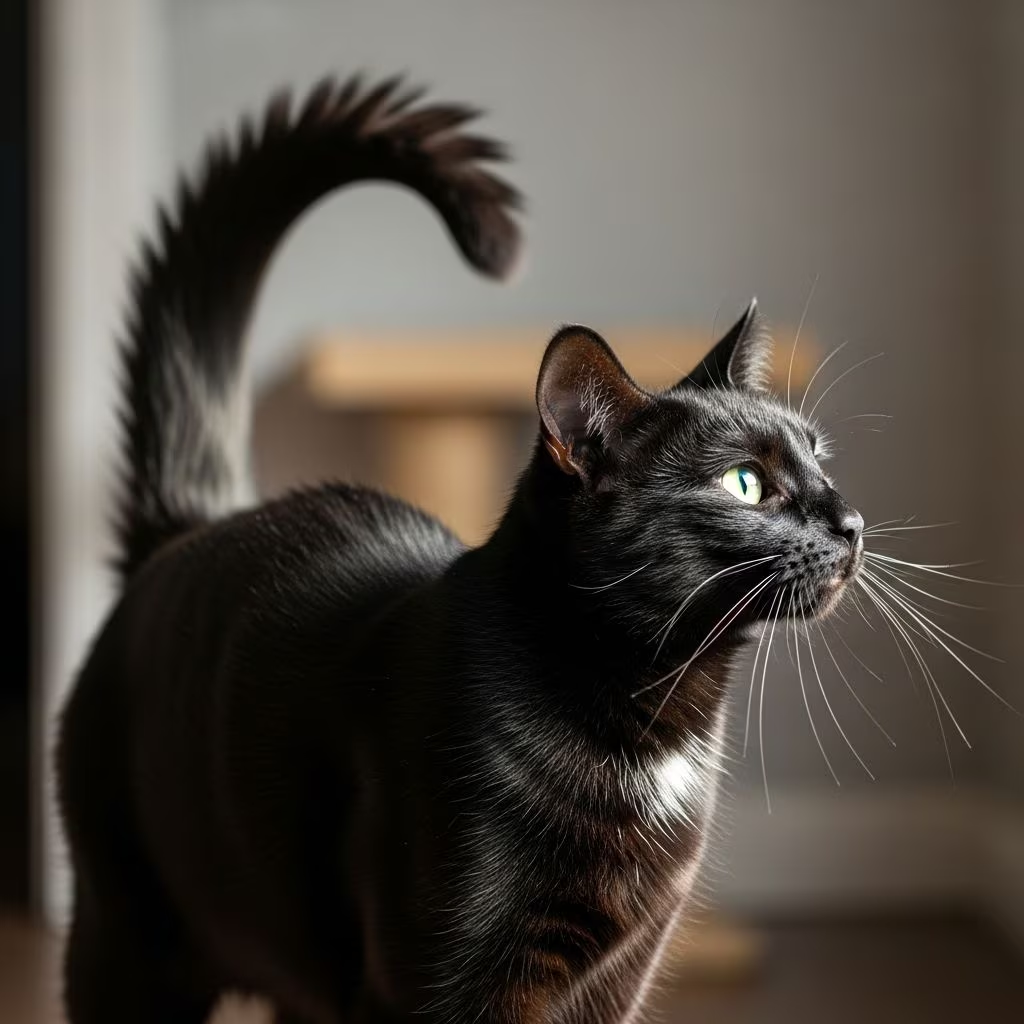
Cats arching their backs is one of the most recognizable and versatile behaviors in feline body language. This posture can signal anything from a simple stretch after a nap to a defensive reaction against a perceived threat. Understanding the context, accompanying cues like tail position, ear orientation, and vocalizations, is crucial for pet owners to interpret their cat’s mood accurately.
In this comprehensive guide, we delve into the top reasons why cats arch their backs, drawing from veterinary insights and behavioral experts. Whether your cat is playful, affectionate, or in discomfort, recognizing these signs strengthens the bond between you and your feline companion.
1. Defensive Posture When Threatened
The classic “Halloween cat” pose—arched back, fur standing on end (piloerection), tail bristled, ears flattened, and dilated pupils—is a clear defensive response to fear or aggression. Cats instinctively arch their backs to appear larger and more intimidating, deterring predators like dogs or rival cats. This tactic makes the cat seem harder to attack, often prompting the threat to retreat.
Accompanying signs include hissing, growling, spitting, or crouching low. In multi-cat households or encounters with unfamiliar animals, this posture prevents fights by visually asserting dominance without physical contact. If your cat frequently adopts this pose indoors without obvious triggers, it may indicate stress from new pets, loud noises, or territorial disputes.
- Key cues: Raised fur, flattened ears, rigid body, moving away from the stimulus.
- How to respond: Give space, remove the threat, and use calming pheromone diffusers if chronic.
2. Stretching for Comfort and Flexibility
Often the most benign reason, cats arch their backs during stretches, especially post-nap. This elongates the spine, relieves muscle tension, and promotes circulation, mimicking yoga’s cat-cow pose. You’ll typically see a relaxed face, slow movements, and perhaps a yawn or scratch afterward.
Place scratching posts near sleeping spots to encourage healthy stretching and prevent furniture damage. Regular stretching maintains joint health, particularly in older cats prone to arthritis. Unlike defensive arches, these are fluid and voluntary, with no tension in the body.
- Common triggers: Waking up, after eating, or during grooming routines.
- Benefits: Improves flexibility, reduces stiffness, enhances overall mobility.
3. Playful Behavior and Hunting Instincts
Kittens and young cats frequently arch their backs during play, hopping sideways, pouncing on toys, or mock-hunting. This “teapot tail” posture—arched back with a curved tail—signals fun, not fear, especially when approaching rather than fleeing. Adult cats retain this into bursts of “zoomies,” simulating predatory sequences.
Encourage play with wand toys or laser pointers to channel energy positively. Dilated pupils and twitching tail base distinguish playful arches from aggression. This behavior strengthens muscles and prevents boredom-related issues like destructive scratching.
- Signs of play: Bouncy movements, upright tail, vocal chirps or trills.
- Play tips: Sessions of 10-15 minutes twice daily; rotate toys for interest.
4. Enjoying Petting and Affection
When you pet your cat and they arch into your hand, it’s a sign of contentment and pleasure. This pushes sensitive areas like the back or base of the tail into the stroke, enhancing sensation. Purring, kneading, and raised hindquarters often accompany it.
However, watch for overstimulation—sudden tail thrashing or skin twitching signals to stop. Breeds like Siamese may arch more due to higher affection needs. This bonding ritual releases endorphins for both cat and owner.
5. Scent Marking and Greeting
Cats arch their backs while rubbing cheeks or flanks against legs, furniture, or housemates, depositing pheromones from facial and body glands. This relaxed arch starts with head-butts and progresses to side-rubbing, claiming territory or showing familiarity.
In multi-pet homes, it’s a bonding gesture. Provide vertical spaces and scent-friendly objects to satisfy this instinct cleanly.
6. Signs of Pain or Discomfort
A persistent or unusual arch, especially with hunched posture (“hump back”), may indicate pain from injury, arthritis, or illness. Look for reduced appetite, limping, or hiding. Consult a vet promptly, as cats mask pain well.
- Red flags: Vocalizing on touch, reluctance to jump, fur unkempt.
- Vet checks: X-rays for spinal issues; pain meds if needed.
7. Territorial Marking (Urine Spraying)
Unneutered males often arch while spraying urine to mark territory, backing up with tail quivered. Neutering reduces this by 90%; clean spots with enzymatic cleaners to erase scents.
8. Excitement or Communication
An arched back with purring or meowing communicates a desire for attention or play. Context clues like rubbing legs confirm affection over defense.
How to Read Your Cat’s Body Language
Context is key: Defensive arches involve retreat and aggression; playful ones advance with energy. Tables below summarize cues.
| Context | Body Language | Mood |
|---|---|---|
| Threatened | Fur up, ears back, hissing | Fear/Aggression |
| Stretching | Relaxed, yawning | Comfort |
| Playing | Side hops, pouncing | Excitement |
| Petting | Purring, pushing in | Happy |
| Pain | Hunched, avoiding touch | Discomfort |
Frequently Asked Questions (FAQs)
Why do cats raise their backs when scared?
Cats arch to appear larger, intimidating threats via piloerection and height.
Why does my cat arch its back when I pet it?
It enjoys the sensation, pressing into strokes for more pleasure.
What if my cat has a hump back?
May signal pain, arthritis, or stress; vet evaluation recommended.
Is an arched back always bad?
No, often positive like stretching or play; context matters.
How can I encourage healthy arching?
Provide scratching posts, playtime, and comfy nap spots.
By observing these patterns, you’ll communicate better with your cat, fostering a happier home. (Word count: 1678)
References
- Decoding Feline Body Language: Why Does My Cat Arch His Back? — TICA. 2023. https://tica.org/blogs/decoding-feline-body-language-why-does-my-cat-arch-his-back/
- Dr Sarah Ellis on: why do cats arch their backs? — Napo Pet Insurance. 2024-05-15. https://www.napo.pet/blog/dr-sarah-ellis-on-why-do-cats-arch-their-backs
- Understanding a cat arched back — TrustedHousesitters. 2024. https://www.trustedhousesitters.com/blog/pets/cat-arched-back/
- Why Do Cats Arch Their Back? Vet Explains Everything You Need — What the Vet?! (YouTube). 2023-08-10. https://www.youtube.com/watch?v=_0gtwpYdT9A
- Why Do Cats Arch Their Backs? 8 Reasons Explained — Rover.com. 2024-02-20. https://www.rover.com/blog/cat-arched-back/
- Why Do Cats Arch Their Backs? Top 8 Reasons — Cats.com. 2024. https://cats.com/why-do-cats-arch-their-backs



