

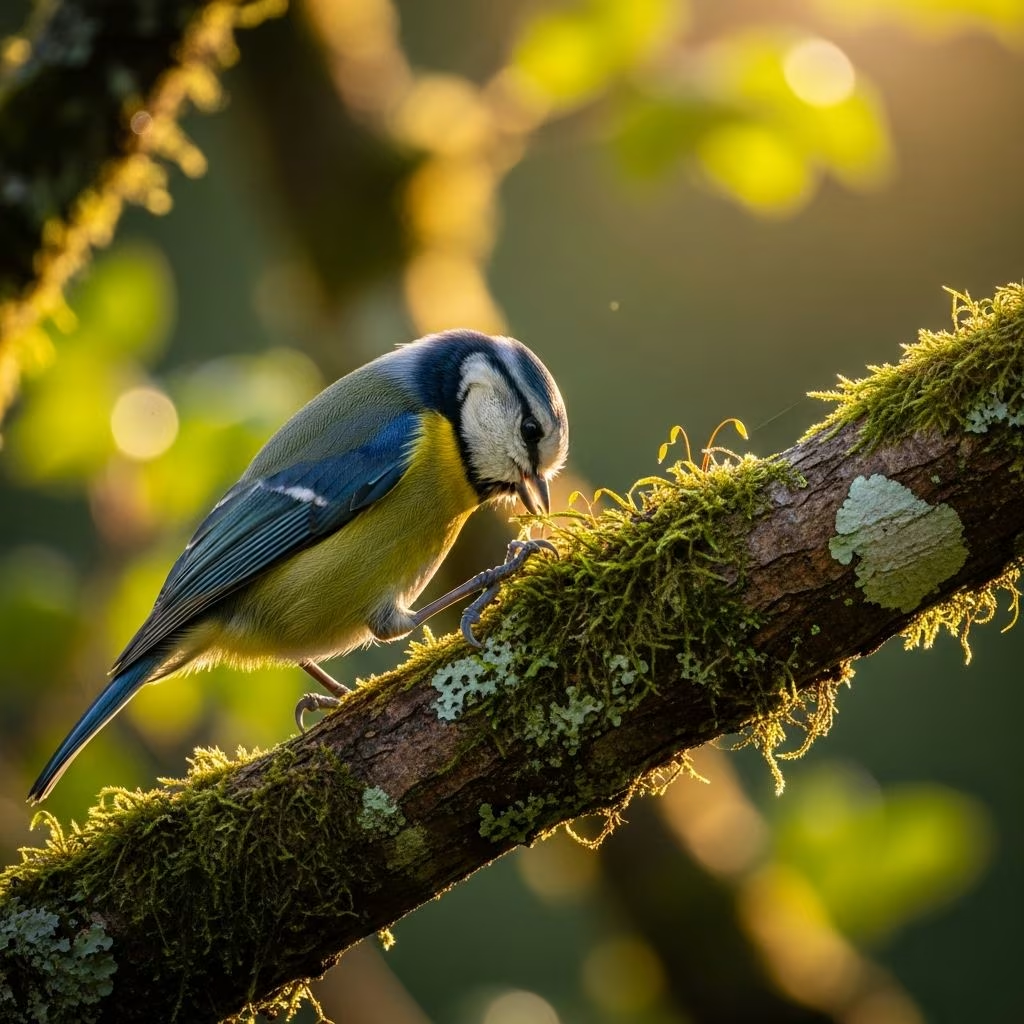
Why Do Birds Wipe Their Beaks on Branches
If you’ve ever observed birds in your backyard or at a local park, you may have noticed them wiping their beaks on branches, twigs, or other surfaces. This seemingly simple behavior is far more complex and purposeful than it might initially appear. Bird beak wiping, scientifically known as bill-wiping, is a multifaceted behavior that serves several important functions in avian life. Understanding why birds engage in this activity can deepen your appreciation for these remarkable creatures and help you recognize signs of their health and well-being.
Understanding Bird Beak Wiping Behavior
Bill-wiping is a widespread behavior observed across numerous bird species, involving the rapid withdrawal of the side of the beak from base to tip along a foreign surface such as a branch or the ground. This behavior has captured the attention of ornithologists for decades, with researchers documenting that more than 90 bird species engage in this activity, and many scientists believe virtually all birds participate in bill-wiping in some form. The behavior can involve just a few quick swipes or, in some cases, numerous repetitions—researchers have documented instances of birds wiping their beaks up to 90 times within just a few minutes.
Birds typically wipe both sides of their beaks, often alternating between each side. The beak may remain open or closed during the process, and the bird may or may not make actual contact with the surface. This flexible approach to the behavior demonstrates that birds have adapted this technique to suit various circumstances and needs.
The Primary Reasons Birds Wipe Their Beaks
Cleaning and Hygiene
The most obvious and widely accepted reason birds wipe their beaks is for cleaning purposes. Just as humans use napkins after eating, birds wipe their beaks to remove food residue and other debris. This is particularly common after birds consume messy foods such as suet, juicy berries, sticky insects, or wet fruits and vegetables. You’ll frequently observe birds wiping their beaks immediately after eating, bathing, drinking, or manipulating something in their bill.
The cleaning hypothesis has been scientifically validated through research. A 1992 study conducted by researchers in the United Kingdom, led by ecologist Innes Cuthill from the University of Bristol, confirmed that European Starlings wiped their bills significantly more often after eating sticky food compared to dry food. This research provided empirical evidence for what many bird enthusiasts had long observed in nature.
Additionally, birds may wipe their beaks after coming into contact with something distasteful or unpleasant, helping them remove any unwanted residue that might affect their comfort or health. This cleaning behavior is essential for maintaining their beaks in optimal condition and preventing the buildup of substances that could interfere with their feeding efficiency.
Beak Maintenance and Shaping
Beyond simple cleaning, scientific research has revealed that bill-wiping plays a crucial role in beak maintenance and shaping. Bird beaks are composed of keratin, the same protein material found in human fingernails and hair, which grows continuously throughout a bird’s life. As birds forage and feed, the outer layer of their beaks experiences natural wear and tear, which helps maintain their shape and functionality. Deliberate wiping against rough surfaces helps birds actively manage this growth and maintain optimal beak geometry.
The maintenance hypothesis gained scientific support when researchers discovered that birds strategically adjust their bill-wiping frequency based on their current dietary needs. Different bird species shift their diets seasonally—for example, many species eat primarily insects and worms during breeding season but switch to fruits and seeds during fall and winter. The shape of a bird’s beak directly influences its efficiency in capturing and processing these different food types. By wiping their beaks against rough perches, birds can hone their beaks into shapes that work best for their current food sources.
Research demonstrated that birds given access to rough perches became faster at picking up food compared to those restricted to smooth perches, suggesting that the abrasion from rough surfaces helps maintain beaks in peak functional condition. Additionally, birds with smooth perches compensated by wiping their beaks more frequently, indicating they were actively seeking the beneficial effects of the wiping behavior.
Territorial and Scent-Marking Behavior
Scientists have observed that bill-wiping occurs frequently during social interactions between birds, leading to fascinating theories about additional purposes for this behavior. One intriguing hypothesis involves the use of preen oil—the waxy substance birds produce from a specialized gland to maintain and waterproof their feathers. Research has shown that preen oil contains odors and chemical signals that play a role in mate selection among birds.
Some researchers speculate that birds may deliberately coat surfaces with preen oil during bill-wiping as a form of scent-marking or chemical communication. This could serve multiple purposes: signaling territorial boundaries, attracting potential mates, or establishing ownership of nesting sites. For example, Red-breasted Nuthatches have been observed wiping pine sap along the entrance to nest cavities, where the stickiness may deter unwanted intruders. Similarly, White-breasted Nuthatches may use sweeping bill-wipes to deter predators from their nest areas through chemical defense or attractant mechanisms.
Species-Specific Variations in Beak Wiping
While bill-wiping is a nearly universal bird behavior, different species may engage in this activity for different reasons and with varying frequencies. Early ornithological research suggested that hummingbirds and waterfowl might be exceptions to the bill-wiping behavior, though subsequent observations have challenged this assumption. The reasons behind bill-wiping can be species-specific, reflecting the unique ecological needs and behaviors of different avian groups.
Passerines (perching birds and songbirds) have been documented wiping their beaks on diverse surfaces including rope clotheslines, fence wire, the edges of metal birdbaths, and even the rims of metal incinerators. This adaptability demonstrates the flexibility and intelligence of birds in utilizing available resources to maintain their beaks and communicate with their environment.
Stress and Behavioral Indicators
While most beak-wiping is functional, this behavior can also serve as an important indicator of a bird’s emotional state. In some cases, beak rubbing may be a precursor to aggression or a sign of stress and displeasure. When birds are uncomfortable or unhappy about something in their environment, they may redirect their anxiety through beak rubbing, making it one of several warning signs that a bird may bite or display aggressive behavior. Understanding these behavioral nuances is particularly important for people who keep pet birds, as it helps them recognize when their feathered companions need attention or environmental adjustments.
What Bird Beak Wiping Tells Us
The seemingly simple act of birds wiping their beaks on branches reveals the remarkable complexity of avian behavior and physiology. This multifunctional behavior serves essential purposes ranging from basic hygiene to sophisticated beak maintenance and social communication. By observing bird beak-wiping behavior, we gain insights into their feeding habits, health status, seasonal dietary changes, and even their emotional well-being.
Whether you’re a casual bird watcher or a dedicated ornithology enthusiast, appreciating the reasons behind bill-wiping enhances your understanding of these fascinating creatures. The next time you observe a bird wiping its beak on a branch, you’ll recognize it as evidence of the bird’s active engagement with its environment—cleaning itself, maintaining its tools for survival, and potentially communicating with others of its kind.
Frequently Asked Questions
Q: Do all bird species wipe their beaks?
A: Bill-wiping is observed in more than 90 documented bird species, and ornithologists believe virtually all birds engage in this behavior to some extent, with possible exceptions among hummingbirds and certain waterfowl species.
Q: Why do birds wipe their beaks more after eating certain foods?
A: Birds wipe their beaks more frequently after consuming sticky or messy foods like fruits, insects, and suet because these foods leave more residue on their beaks, making cleaning necessary for hygiene and comfort.
Q: Can beak wiping indicate a bird’s health?
A: Yes, beak wiping behavior can indicate a bird’s health and emotional state. Excessive or aggressive beak wiping may signal stress, discomfort, or potential aggression, while normal wiping indicates proper grooming and maintenance behaviors.
Q: What surfaces do birds prefer for beak wiping?
A: Birds prefer rough surfaces for beak wiping because the abrasion helps maintain their beaks’ shape and sharpness. They’ll wipe on branches, twigs, rough perches, and even man-made objects like wire fences and metal structures.
Q: Is beak wiping related to territorial behavior?
A: Yes, research suggests that bill-wiping may be associated with territorial and scent-marking behavior, as birds may use preen oil deposited during wiping to communicate boundaries and attract mates.
Q: How often do birds need to wipe their beaks?
A: The frequency of beak wiping varies by species, diet, and individual bird. While some birds may wipe a few times after eating, others have been observed wiping up to 90 times in a few minutes during intensive grooming sessions.
References
- Here’s Why Birds Rub Their Beaks on Stuff — National Audubon Society. Accessed 2025. https://www.audubon.org/magazine/heres-why-birds-rub-their-beaks-stuff
- Bill-wiping — Sialis.org: Info on Bluebirds & Other Small Cavity Nesters. Accessed 2025. https://www.sialis.org/bill-wiping/
- Why do birds wipe and rub their beaks — BirdNerdSophie, YouTube. Accessed 2025. https://www.youtube.com/watch?v=yxu1vBokhxM



