

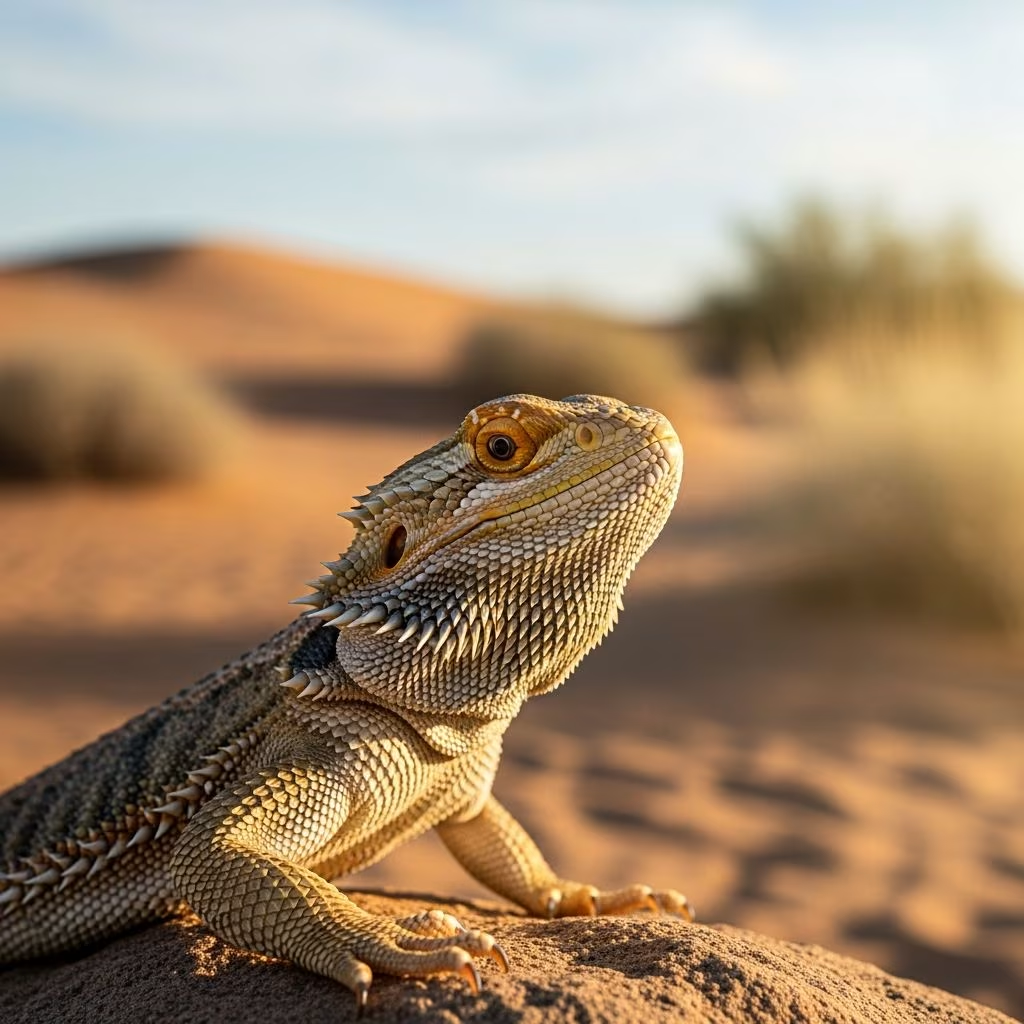
Why Do Bearded Dragons Bob Their Heads? Is This Normal?
If you’ve recently noticed your bearded dragon bobbing their head, you might be wondering if this behavior is normal or a cause for concern. The good news is that head bobbing is a completely natural and common behavior in bearded dragons. This distinctive movement serves multiple purposes in their communication repertoire, ranging from asserting dominance to attracting potential mates. Understanding what triggers this behavior can help you better care for your scaly companion and identify when environmental adjustments might be necessary.
Understanding Head Bobbing in Bearded Dragons
Head bobbing is one of the most recognizable behaviors in bearded dragons, and it plays a crucial role in how these reptiles interact with their environment and other animals. Rather than being a sign of distress or illness, head bobbing is typically your bearded dragon’s way of communicating their emotional state or intentions. The behavior can appear quite vigorous, with the dragon’s head moving up and down in rapid succession, or it can be slower and more deliberate depending on the context.
The frequency and intensity of head bobbing can vary significantly based on what your bearded dragon is trying to communicate. Some head bobbing episodes last just a few seconds, while others may continue for several minutes, particularly during breeding season or when a dragon feels particularly threatened or excited.
Key Reasons Behind Head Bobbing Behavior
They’re Establishing Dominance
One of the most common reasons bearded dragons bob their heads is to establish and maintain dominance. In their natural habitat and in captivity, male bearded dragons use head bobbing as a territorial display to warn rival males to stay out of their space. This behavior essentially communicates to other dragons, “This territory is mine, and you need to leave.”
When a male bearded dragon encounters another male—whether in person, through a glass enclosure, or even through their reflection—they may initiate head bobbing as a dominance display. If the other dragon submits by performing slower head nobs or withdrawing, the confrontation typically ends peacefully. However, if both dragons stand their ground, the situation can escalate to physical combat.
The intensity of the head bobbing can vary depending on how threatened the dragon feels. A confident, established male may perform quick, assertive bobs, while a younger or less dominant male might display more hesitant movements. This behavioral communication helps bearded dragons establish a hierarchy without necessarily engaging in dangerous physical fights.
They’re Attempting to Attract a Mate
During the breeding season, particularly in spring, head bobbing takes on a different meaning. Males bob their heads to impress and attract females, essentially performing a courtship display. Female bearded dragons may also bob their heads during this time, typically in response to males or as a submissive gesture when introduced to a potential mate.
If you notice increased head bobbing during spring months, especially if your bearded dragon is a sexually mature male, this behavior is likely related to mating instincts. The bobbing is often accompanied by other breeding behaviors such as arm waving or darkening of the beard. This seasonal increase in head bobbing is completely normal and doesn’t necessarily indicate a problem with your dragon’s environment or health.
They’re Responding to Excitement
Bearded dragons may also bob their heads when they’re experiencing excitement or anticipation. This could occur when you’re about to feed them, when they see something novel in their environment, or during playtime outside their enclosure. This type of head bobbing is generally more relaxed and less aggressive than dominance displays, and it’s often accompanied by alert, bright eyes and raised posture.
When Head Bobbing Indicates Stress
While head bobbing is usually a normal communication behavior, it can sometimes signal that your bearded dragon is experiencing stress or discomfort. Distinguishing between normal head bobbing and stress-related bobbing is important for maintaining your dragon’s wellbeing.
Environmental Stress Factors
Stress-related head bobbing often occurs when a male bearded dragon has a clear line of vision to another male, whether in a neighboring enclosure or even seeing its own reflection in glass or mirrors. This constant visual stimulus can cause significant stress, leading to excessive head bobbing throughout the day. The dragon may spend hours bobbing their head or attempting to attack the perceived rival, sometimes causing injuries by striking against the enclosure walls.
To address stress-related head bobbing, consider these environmental modifications:
- Remove mirrors or reflective surfaces that might create the illusion of another dragon
- Use opaque barriers or solid-walled enclosures to block the line of sight between competing males
- Ensure male bearded dragons are never housed together
- Evaluate lighting conditions, temperature gradients, and humidity levels
- Review your dragon’s diet and feeding schedule
- Assess the enclosure size and enrichment opportunities
Solid-walled enclosures are particularly effective at reducing stress-related head bobbing because they prevent visual contact with potential rivals or threatening stimuli. Glass enclosures, while visually appealing for owners, can sometimes intensify stress behaviors in male bearded dragons.
Signs Your Bearded Dragon Might Be Stressed
If your bearded dragon is continuously bobbing its head and showing other signs of stress, it’s time to investigate potential causes. Look for accompanying behaviors such as darkened coloring, rapid beard flaring, glass surfing, or attempts to escape the enclosure. These combined behaviors suggest that environmental factors need adjustment.
Abnormal Head Movements to Watch For
While normal head bobbing is rarely a concern, certain abnormal head movements warrant immediate veterinary attention. It’s important to distinguish between normal head bobbing and movements that indicate illness or injury.
Head Tremors
Head tremors are involuntary, rapid movements that differ significantly from controlled head bobbing. These tremors may indicate hypocalcemia, a condition characterized by dangerously low calcium levels in your bearded dragon’s blood. This serious metabolic condition requires immediate veterinary intervention and dietary adjustments, typically involving calcium supplementation and proper UVB lighting.
Head Tilt or Turn
If your bearded dragon consistently holds their head at an abnormal angle or cannot move it through its normal range of motion, this could indicate trauma, pain, or the presence of a mass or growth. These symptoms require prompt veterinary evaluation to determine the underlying cause and appropriate treatment.
Head Nystagmus
Head nystagmus refers to involuntary, rapid eye movements often accompanied by head movements. This condition can indicate a vestibular system disorder, which affects balance and spatial orientation. Bearded dragons with vestibular issues may have difficulty moving normally, appear disoriented, or seem to lose balance frequently.
Should You Be Concerned About Head Bobbing?
In most cases, head bobbing requires no intervention and is simply your bearded dragon’s way of communicating. However, being an attentive owner means recognizing when this behavior warrants attention or environmental changes.
Normal Head Bobbing: No Action Required
If your bearded dragon bobs its head occasionally, maintains a healthy appetite, displays alert behavior, and shows no signs of stress or illness, this is normal communication and no intervention is necessary. Many owners find head bobbing to be an endearing characteristic of their pets, especially when it occurs in response to exciting stimuli like feeding time.
When to Make Environmental Changes
If your bearded dragon engages in excessive head bobbing accompanied by visible stress signs, it’s time to modify their environment. Removing mirrors, installing visual barriers, adjusting enclosure placement away from other pets, or upgrading to a solid-walled terrarium can significantly reduce stress-related head bobbing.
When to Consult a Veterinarian
Schedule a veterinary appointment if you notice abnormal head movements such as tremors, tilts, or nystagmus. Additionally, seek professional advice if:
- Head bobbing is accompanied by loss of appetite
- Your dragon appears lethargic or unresponsive
- There are visible injuries from striking the enclosure
- The behavior represents a sudden change from your dragon’s normal patterns
- You notice other concerning symptoms like balance problems or coordination issues
To find a veterinarian experienced with reptiles, consult the Find a Vet tool on the Association of Reptile and Amphibian Veterinarians website, which connects you with qualified professionals in your area.
Optimizing Your Bearded Dragon’s Enclosure
Choosing the Right Enclosure Type
The type of enclosure you select can significantly impact your bearded dragon’s stress levels and head bobbing behaviors. While glass aquariums are traditional choices, solid-walled enclosures like PVC terrariums or wooden habitats offer superior benefits for stress reduction. These enclosures prevent your dragon from seeing external stimuli that might trigger territorial or stress responses.
Environmental Enrichment
Proper enclosure setup goes beyond just size. Ensure your bearded dragon has appropriate basking spots with correct temperature ranges, full-spectrum UVB lighting for 10-12 hours daily, hiding spaces, and climbing opportunities. A well-enriched environment reduces overall stress and can decrease excessive head bobbing.
Temperature and Lighting Requirements
Bearded dragons require specific temperature gradients and lighting schedules. The basking spot should be 95-110°F for adults, while the cool side should be 75-80°F. Full-spectrum UVB lighting is essential for calcium metabolism and preventing metabolic bone disease. Inadequate lighting and temperature control can contribute to stress-related behaviors.
Dietary Considerations
Nutrition plays a crucial role in your bearded dragon’s overall health and can influence behavior. A stressed or malnourished bearded dragon may exhibit excessive head bobbing. Ensure your dragon receives:
- Fresh, dechlorinated water daily
- Varied live insects such as Dubia roaches, crickets, and mealworms
- Leafy greens and vegetables
- Occasional fruits like papaya, mango, and prickly pear
- Appropriate calcium and vitamin D3 supplementation
If your bearded dragon shows decreased appetite along with excessive head bobbing, consult your veterinarian to rule out underlying health issues.
Frequently Asked Questions About Bearded Dragon Head Bobbing
Q: Why does my bearded dragon bob its head at its reflection?
A: Your bearded dragon perceives its reflection as another dragon and responds with dominance displays or territorial head bobbing. This is why mirrors and reflective surfaces should be removed from the enclosure, as they create constant visual stimulation that can stress your dragon.
Q: Is head bobbing a sign of aggression?
A: Head bobbing can indicate territorial or dominance behavior, which are aggressive in nature, but the behavior itself is a form of communication rather than active aggression. It’s the dragon’s way of establishing boundaries without immediate physical conflict.
Q: Do female bearded dragons bob their heads?
A: Yes, female bearded dragons also bob their heads. They may do so during breeding season as a response to males, as a submissive gesture, or occasionally as a stress response. Female head bobbing is typically less intense than male head bobbing.
Q: How can I tell if my bearded dragon’s head bobbing is normal?
A: Normal head bobbing appears as controlled, rhythmic movements and is often situational—occurring during feeding time, when meeting new animals, or during breeding season. If the head bobbing is excessive, accompanied by stress behaviors, or represents a sudden change in your dragon’s behavior, it may warrant veterinary attention.
Q: Should I remove my bearded dragon’s mirror?
A: Yes, it’s generally recommended to remove mirrors from bearded dragon enclosures. The constant reflection can cause stress and trigger prolonged head bobbing episodes, which can be mentally taxing for your pet.
Q: What’s the difference between normal head bobbing and a head tremor?
A: Normal head bobbing is controlled and purposeful, with distinct up-and-down movements. Head tremors are involuntary, rapid vibrations that the dragon cannot control and often indicate a medical condition like hypocalcemia requiring veterinary attention.
References
- Why Do Bearded Dragons Bob Their Heads? Is This Normal? — Chewy. 2025. https://www.chewy.com/education/reptile-and-amphibian/bearded-dragon/why-do-bearded-dragons-bob-their-heads
- Why Do Bearded Dragons Bob Their Heads? — ABDRAGONS. 2025. https://abdragons.com/blog/why-do-bearded-dragons-bob-their-heads/
- Association of Reptile and Amphibian Veterinarians – Find a Vet — ARAV. 2025. https://www.arav.org/search/custom.asp?id=3661
- 16 Weird Bearded Dragon Behaviors and What They Mean — The Bug Shed. 2025. https://thebugshed.com/16-weird-bearded-dragon-behaviors/



