

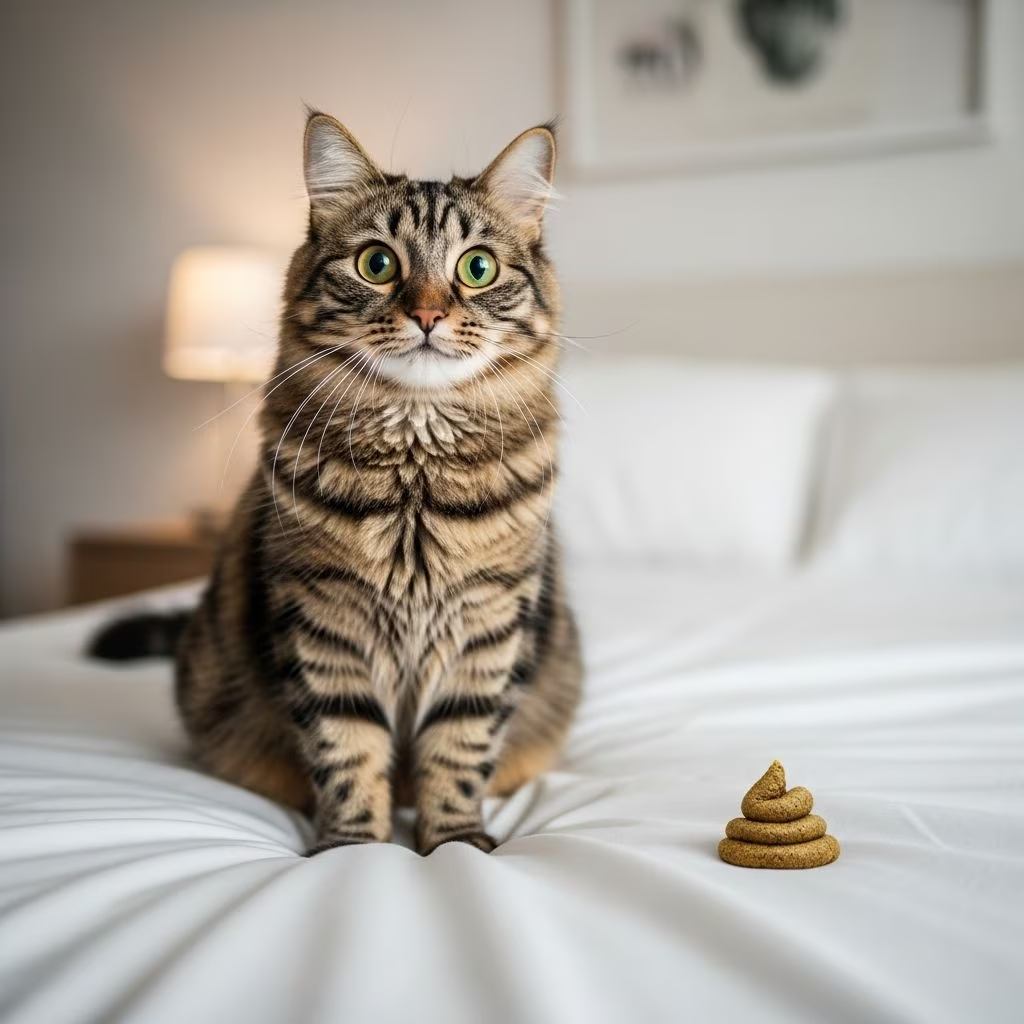
Coming home to find cat poop on your bed is one of the most frustrating and baffling experiences for any cat owner. Cats are naturally fastidious animals that prefer to keep their elimination habits private and clean, so when they choose your soft, comfortable bed as their toilet, something is seriously amiss. This behavior, known as inappropriate elimination, affects up to 10% of cats at some point in their lives and can stem from medical, behavioral, or environmental issues. Understanding the root cause is the first step to stopping it and restoring harmony in your home.
In this comprehensive guide, we’ll explore the most common reasons why your cat might be pooping on your bed, drawing from veterinary insights and behavioral expertise. We’ll cover health problems, litter box aversions, stress triggers, territorial instincts, and more. Plus, you’ll get actionable solutions, including how to make your bed unappealing and optimize your cat’s litter setup. By the end, you’ll have a clear plan to address the issue effectively.
1. Medical Issues: Rule This Out First
The number one reason cats suddenly start pooping outside the litter box is an underlying health problem. Cats are masters at hiding pain, so by the time you notice behavioral changes like bed-pooping, the issue may have been brewing for weeks. A prompt vet visit is non-negotiable—don’t assume it’s just ‘naughtiness.’ Common medical culprits include:
- Digestive disorders: Conditions like inflammatory bowel disease (IBD), constipation, diarrhea, or intestinal parasites cause pain or urgency during defecation, making the litter box feel like a torture chamber. Your cat associates the box with discomfort and seeks a softer, safer spot like your bed.
- Arthritis or mobility problems: Older cats or those with joint issues struggle to climb into high-sided litter boxes or squat properly. Beds offer easy access and a cushioned surface, reducing strain.
- Urinary tract infections (UTIs) or blockages: While primarily affecting urination, these can disrupt overall elimination habits, leading to mixed accidents.
- Kidney disease or hyperthyroidism: In senior cats, these systemic issues alter bowel control and litter preferences.
According to veterinary sources, medical causes account for up to 75% of litter box avoidance cases in cats over 10 years old. Schedule a full exam, including bloodwork and fecal tests, to identify parasites or infections. Treating the root health issue often resolves the behavior within days.
2. Litter Box Problems: The Most Common Fixable Cause
If your vet gives your cat a clean bill of health, scrutinize the litter box setup. Cats are incredibly picky about their ‘bathrooms,’ and even minor issues can drive them to your bed. Key problems include:
- Dirty box: Cats demand spotless litter. Scoop daily and fully change litter weekly; unclean boxes repel them to softer, cleaner alternatives like bedsheets.
- Wrong location: High-traffic areas, near loud appliances, or far from resting spots make cats feel exposed. Ideal spots are quiet, low-traffic corners.
- Inadequate number or size: Follow the ‘n+1 rule’—one box per cat plus one extra. Boxes should be at least 1.5 times your cat’s length for comfortable turning.
- Litter type aversion: Scented, clumping, or coarse litters irritate paws. Experiment with unscented, fine-clay or crystal varieties.
- Box design flaws: Covered boxes trap odors and feel confining; seniors need low-entry models.
Test adjustments one at a time: Clean thoroughly with enzymatic cleaners to erase scents, add boxes, and try new litters. Self-cleaning options like crystal litter systems minimize maintenance while keeping things pristine.
3. Stress and Anxiety: Environmental Disruptions
Cats thrive on routine; any disruption can trigger stress-induced elimination. Your bed, saturated with your comforting scent, becomes a self-soothing spot. Common stressors:
- Household changes: Moves, renovations, new furniture, babies, or roommates unsettle cats, prompting marking for security.
- Owner schedule shifts: Returning to work or travel leaves cats anxious, leading to ‘protest poops’ on personal items.
- Loud noises or chaos: Construction, storms, or fireworks make litter areas scary.
Mitigate with pheromone diffusers, calming treats, and extra playtime. Create safe retreats with food, water, and a litter box.
4. Territorial Marking or Inter-Cat Conflict
In multi-cat homes, pooping on beds signals territory disputes. Subordinate cats avoid shared boxes due to bullying, choosing your bed as a ‘safe zone’ scented with your protection. Watch for signs like hissing or staring contests. Solutions: Add resources (boxes, perches, bowls) spaced apart to reduce competition.
5. Attention-Seeking Behavior
Clever cats learn that poop on the bed guarantees your focus—even if it’s angry attention. This escalates if they’re bored or neglected post-life changes like new pets. Ignore accidents, reward litter use with treats and praise.
6. Litter Box Bullying
Bullying forces timid cats to skip shared boxes. Separate resources and monitor dynamics; pheromone products help de-escalate tensions.
How to Stop Your Cat Pooping on the Bed: 7 Proven Solutions
Once you’ve identified the cause, implement these steps:
- Vet check: Essential first step.
- Optimize litter boxes: Clean, accessible, plentiful.
- Make bed unappealing: Use citrus sprays, foil, or motion deterrents like SSSCAT. Close bedroom doors.
- Reduce stress: Pheromones, play, stable routines.
- Enrich environment: Toys, trees, scratching posts.
- Positive reinforcement: Treats for proper use.
- Monitor progress: Track with a journal; persist 2-4 weeks.
| Problem | Solution | Expected Time to Fix |
|---|---|---|
| Dirty litter | Scoop daily, enzymatic clean | 1-3 days |
| Stress | Pheromone diffuser, play | 1-2 weeks |
| Health issue | Vet treatment | Varies |
Frequently Asked Questions (FAQs)
Why did my cat poop on my bed all of a sudden?
Sudden changes like stress, health issues, or litter problems often trigger this. Vet check first.
Will my cat ever stop pooping on the bed?
Yes, with consistent fixes, 90% resolve within a month.
Is it safe to punish my cat for pooping on the bed?
No—punishment increases stress and worsens it. Use positive methods.
What if I have multiple cats?
Ensure n+1 boxes; separate bullies.
Can diet cause bed pooping?
Yes, poor diet leads to digestive upset; switch to high-quality food.
References
- Why Is My Cat Pooping on My Bed? — PetSafe. 2023-05-15. https://www.petsafe.com/blog/why-cats-potty-on-beds/
- Why Is My Cat Pooping Outside the Litter Box? — PetMD. 2024-08-20. https://www.petmd.com/cat/behavior/why-is-my-cat-pooping-outside-litter-box
- 9 Real Reasons Your Cat Is Pooping on the Bed (And How to Fix It) — WOpet. 2024-03-10. https://wopet.com/cats/why-is-your-cat-pooping-on-the-bed/
- Why Does My Cat Poop on My Bed? — Chewy. 2023-11-05. https://www.chewy.com/education/cat/training-and-behavior/why-did-my-cat-poop-on-my-bed
- My Cat Pooped On My Bed | What Causes Litter Box Issues — Rita Reimers. 2022-07-12. https://ritareimers.com/cat-behaviors/litter-box-avoidance/my-cat-pooped-on-my-bed/



