

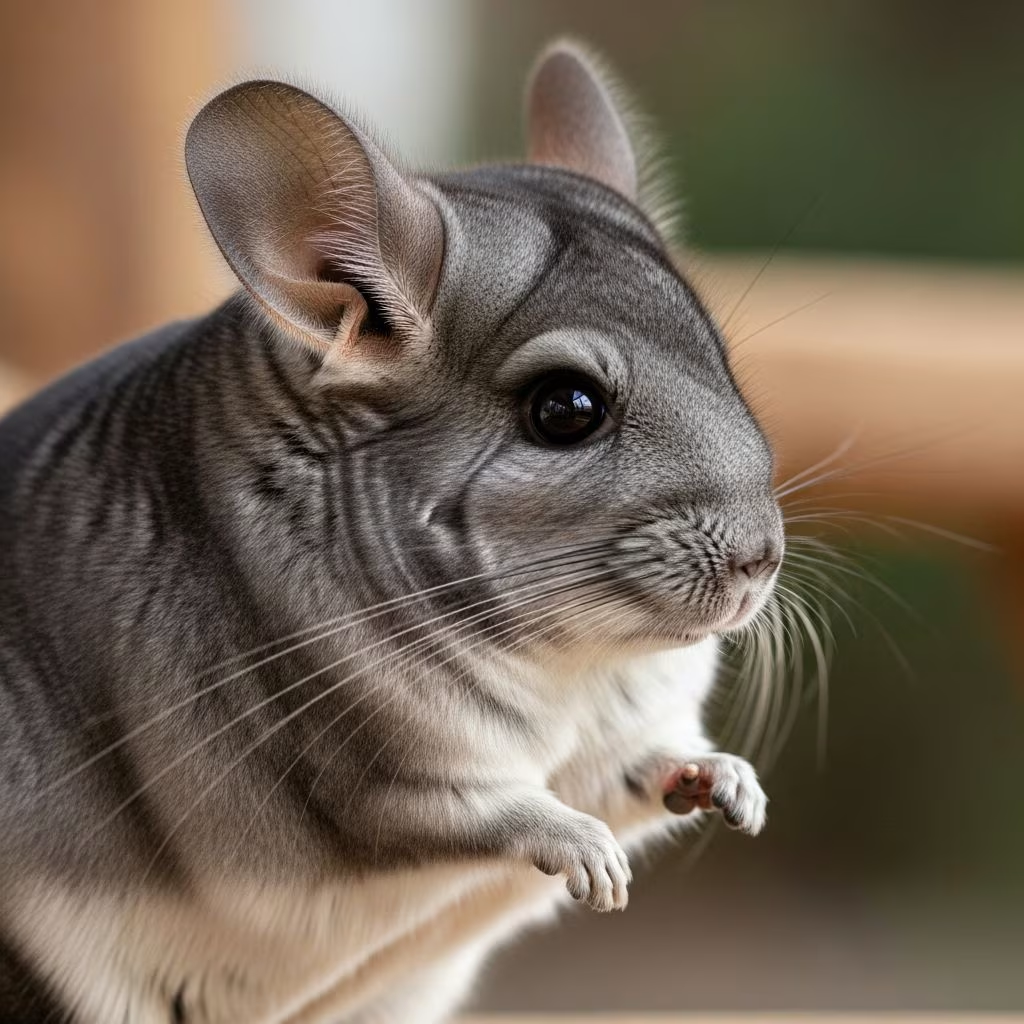
Why Do Chinchillas Bite? Understanding Your Pet’s Behavior
Chinchillas are delightful, fluffy companions that can bring joy to any household. However, many owners are surprised to discover that these adorable creatures can bite. Understanding why chinchillas bite is essential for building a strong relationship with your pet and ensuring safe interactions. Unlike many other small animals, chinchillas have specific behavioral triggers that lead to biting, and most of these behaviors stem from their natural instincts and environmental factors rather than aggression or malice.
A chinchilla’s bite is not something to take lightly. Their long front teeth are their primary tool of self-defense, and a bite can break skin and potentially lead to infection. However, the good news is that most biting incidents are preventable when you understand the reasons behind this behavior and take appropriate steps to address them.
The Wild Nature of Chinchillas: Understanding Their Instincts
To comprehend why chinchillas bite, it’s important to understand their wild ancestry and natural behaviors. In their native habitat in the Andes Mountains of South America, chinchillas are prey animals. This fundamental aspect of their nature heavily influences their behavior in captivity.
In the wild, chinchillas face constant threats from predators. Their first instinct when encountering danger is to run away and escape. They typically live in rocky mountainous terrain where they can retreat to safe burrows and crevices when threatened. This escape-focused behavior is deeply ingrained in their DNA and continues to influence their reactions even when living as pets in human homes.
However, everything changes when a chinchilla is placed in a cage. The confinement of a cage fundamentally alters how a chinchilla perceives safety and threat. Without access to an escape route or hiding place, a cornered chinchilla may resort to its secondary defense mechanism: biting.
Primary Reasons Why Chinchillas Bite
Fear and Feeling Trapped
The most significant reason chinchillas bite is fear. When a chinchilla feels confined with no escape route available, it perceives a threat that it cannot flee from. In this situation, the chinchilla may bite as a defensive measure. This type of biting is particularly common when pet owners reach suddenly into the cage to grab their chinchilla without warning.
Imagine being in a small space with no way out when suddenly a large hand reaches in to grab you. From the chinchilla’s perspective, this is a threatening situation with no escape option. The bite is a defense mechanism, not an act of aggression or malice. Understanding this context can help owners recognize that the chinchilla is responding to fear, not being intentionally harmful.
Respect for your chinchilla’s space and providing adequate hiding places within the cage can significantly reduce this type of biting behavior. When chinchillas have places to retreat and feel secure, they are far less likely to resort to defensive biting.
Boundary Violations and Handling Stress
One of the most common reasons chinchillas bite is because owners fail to respect their personal boundaries. Even the friendliest chinchillas require alone time and have preferences about when and how they like to be handled. When these boundaries are violated, a chinchilla may communicate its displeasure through biting.
Some specific situations that trigger boundary-related biting include:
- Poking fingers through the cage bars when the chinchilla wants solitude
- Picking up the chinchilla when it doesn’t want to be held
- Excessive or rough handling during play
- Disturbing the chinchilla during rest periods
- Continued interaction after the chinchilla shows signs of stress
Chinchillas communicate their discomfort through body language before resorting to biting. Learning to recognize these signs and respecting your pet’s signals is crucial for preventing bites.
Environmental Stress
Beyond immediate handling stress, broader environmental factors contribute to a chinchilla’s likelihood to bite. Stressed chinchillas are more prone to biting behavior. Several environmental stressors can increase a chinchilla’s anxiety levels:
- Overcrowded cages or inadequate living space
- Presence of aggressive cage mates
- Proximity to predatory pets like cats and dogs
- Excessive noise or sudden environmental changes
- Inadequate temperature control (chinchillas are sensitive to heat and cold)
- Insufficient hiding places or enrichment
Additionally, chinchillas have poor eyesight, which adds to their stress levels. Because they cannot see clearly, they explore their world primarily through hearing, smelling, and nibbling. This natural tendency to investigate through touch can sometimes be mistaken for aggression but is actually an exploratory behavior.
Other Reasons for Nips and Bites
Taste Testing
Not all bites are acts of defense or aggression. Sometimes a chinchilla may bite simply because it’s investigating something interesting. If your chinchilla smells a particularly appealing scent on your fingers—perhaps food residue or something unfamiliar—it may take a gentle nibble to “taste” the object or may bite harder, genuinely believing your finger is a delicious treat.
This type of bite is not motivated by fear or anger. It’s an investigative behavior driven by curiosity. To prevent taste-testing bites, always wash your hands thoroughly before handling your chinchillas, especially after eating or handling food. This simple step can eliminate many accidental bites caused by mistaken identity.
Grooming Behavior
One of the most endearing reasons a chinchilla might gently nibble on your hand, arm, or fingers is grooming. Chinchillas are naturally social animals that groom each other to maintain clean, healthy fur and remove parasites. This social bonding activity is a sign of affection and trust.
When your chinchilla gently nibbles on you, it’s treating you like another chinchilla and attempting to groom you. Usually, one chinchilla will groom another for a few minutes and then trade roles. Your chinchilla may gently nibble for a short time and then stop, waiting for you to reciprocate the gesture.
You can participate in this bonding activity by providing gentle scratches in areas chinchillas enjoy:
- Under the chin
- Between the front paws
- Around the neck
- Down the back
- Around the face
Grooming nibbles are gentle, repetitive, and occur on the same area. This is distinctly different from defensive or aggressive biting, which is harder, more sudden, and potentially painful.
Continuous Tooth Growth
Chinchillas’ teeth grow continuously throughout their lives. To maintain healthy, properly-aligned teeth and prevent pain, chinchillas need to gnaw on appropriate materials regularly. This natural gnawing instinct is not directed at you personally but is an essential biological need.
Chinchillas are always ready to chew, anywhere and anytime. They will chew their hay, wooden toys, cardboard, and other appropriate materials as part of their normal daily routine. Providing plenty of safe chewing materials and toys can help satisfy this natural urge and protect your fingers from becoming targets.
Understanding Nibbling Versus Biting
It’s important to distinguish between gentle nibbling and actual biting, as they serve different purposes and indicate different emotional states. Understanding this difference helps owners respond appropriately to their chinchilla’s behavior.
Nibbling characteristics include:
- Gentle pressure, often not painful
- Repeated action on the same area
- Occurs when the chinchilla is calm and relaxed
- Usually associated with grooming, taste testing, or exploration
- The chinchilla typically stops after a brief period
Biting characteristics include:
- Hard, forceful pressure that may draw blood
- Single or few deliberate bites
- Occurs when the chinchilla is stressed, scared, or unhappy
- More painful and potentially damaging to skin
- Often accompanied by squeaking or other stress signals
Context is crucial when interpreting your chinchilla’s behavior. A stressed or unhappy chinchilla will bite, while a relaxed, content chinchilla is more likely to gently nibble. Once a chinchilla determines that your finger isn’t food, it will typically stop nibbling. Biting, however, is more deliberate and painful and only occurs in specific stress-related contexts.
Age Factors: Chinchilla Kits and Adult Chinchillas
Young chinchillas, known as kits, bite and nibble more frequently than adult chinchillas. Kits are naturally excitable and playful, approaching the world with unbridled enthusiasm and curiosity. They’re actively exploring their environment and learning about what they can and cannot eat, which means more nibbling and more potential bites.
During this developmental stage, kits are also figuring out the appropriate force for their bites. They’re learning from experience how hard they need to bite for it to hurt, similar to how puppies learn bite inhibition through play. This is a normal part of development, and most kits grow out of excessive nibbling as they mature.
With patient handling and consistent boundaries, owners can help young chinchillas learn appropriate behavior and develop into well-mannered adult pets. The key is maintaining calm, respectful interactions during this developmental phase.
Special Consideration: Treating Through the Cage Bars
A particular behavioral issue worth noting is that chinchillas fed treats through cage bars often develop a biting habit whenever someone inserts fingers through the bars. From the chinchilla’s perspective, fingers through the bars signal treat time, so it may bite in expectation of food.
This behavior is not aggression; it’s an learned association. To prevent this issue, never feed treats through the cage bars. Instead, open the cage door fully and reach through to offer treats properly. This approach is especially important if small children will be around the chinchilla, as children frequently want to poke their fingers through the bars to pet or play with the animal.
What to Do If Your Chinchilla Bites
If your chinchilla bites you, it’s important to respond appropriately. First, clean the wound immediately and thoroughly. Chinchilla bites can break skin and create puncture wounds that risk infection. Apply antibiotic ointment to the bite and monitor it for signs of infection. If bleeding doesn’t stop or if you notice signs of infection developing, seek medical attention and consult a doctor about antibiotics.
After addressing the physical wound, focus on understanding what triggered the bite. Don’t punish your chinchilla, as this will only increase stress and anxiety, potentially making future biting more likely. Instead, work on rebuilding trust through slower bonding and learning your individual chinchilla’s preferences and boundaries.
Preventing Chinchilla Bites: Key Strategies
Prevention is always better than treatment when it comes to biting behavior. Here are essential strategies to reduce the likelihood of bites:
- Provide adequate space: Ensure your chinchilla has a large, well-equipped cage with multiple hiding places and enrichment opportunities
- Respect personal space: Learn to recognize your chinchilla’s body language and respect its desire for alone time
- Handle gently and slowly: Move deliberately when interacting with your chinchilla, avoiding sudden movements that trigger fear responses
- Wash your hands: Always wash hands before handling to prevent taste-testing incidents
- Provide appropriate chewing materials: Offer plenty of safe toys and materials for natural gnawing behaviors
- Minimize environmental stressors: Control temperature, noise levels, and the presence of predatory pets
- Avoid cage bar feeding: Never feed treats through the cage bars to prevent associated biting
- Socialize early: Handle young chinchillas gently and frequently to build comfort with human interaction
Frequently Asked Questions About Chinchilla Biting
Q: How painful is a chinchilla bite?
A: A chinchilla bite can be quite painful and may draw blood. Their long front teeth are sharp and powerful. Bites should be cleaned immediately and monitored for infection.
Q: Can chinchilla bites get infected?
A: Yes, bite wounds can become infected if not properly cleaned and treated. Always wash bite wounds thoroughly and apply antibiotic ointment. Seek medical attention if signs of infection develop.
Q: Is my chinchilla aggressive if it bites?
A: Not necessarily. Most chinchilla bites result from fear, stress, or boundary violations rather than true aggression. Understanding the trigger can help you prevent future bites.
Q: Why does my chinchilla bite when I try to pick it up?
A: Your chinchilla may bite because it feels trapped or doesn’t want to be handled at that moment. Respect its boundaries and allow it to come to you voluntarily when possible.
Q: How can I tell if my chinchilla likes me if it nibbles?
A: Gentle, repeated nibbling in a calm context is often a sign of affection and grooming behavior, indicating your chinchilla trusts you.
Q: Do all chinchillas bite?
A: Not all chinchillas bite regularly, but most have the capability. Proper handling, socialization, and environmental management can prevent or minimize biting behavior.
References
- Common Illnesses in Chinchillas — PetMD. Accessed November 2025. https://www.petmd.com/exotic/care/common-illnesses-chinchillas
- How to Stop a Chinchilla Being Aggressive — Love My Chinchilla. Accessed November 2025. https://lovemychinchilla.com/how-to-stop-a-chinchilla-being-aggressive/
- FAQ: Why Do Chinchillas Bite? — Small Pet Select Blogs. Accessed November 2025. https://smallpetselect.com/faq-why-do-chinchillas-bite/
- Biting — Cuddlebug Chinchillas. Accessed November 2025. https://cuddlebugchinchillas.com/information/behavior/biting.html



