

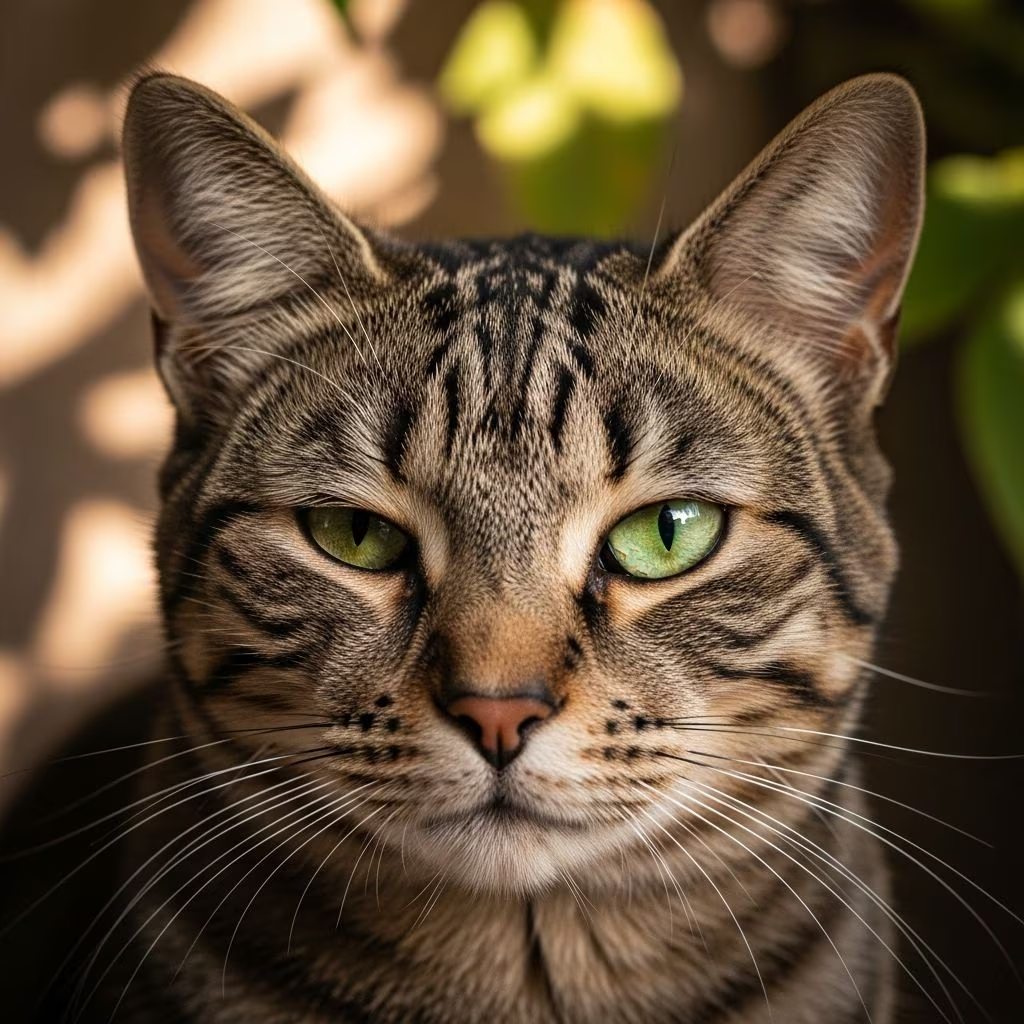
Cats communicate volumes through their eyes, and a single wink can carry profound messages of trust, affection, or discomfort. This subtle gesture, where a cat closes one eye while maintaining eye contact, often delights owners but warrants closer observation to distinguish between normal behavior and health concerns.
Deciphering the Wink: Normal vs. Abnormal Patterns
A cat’s wink typically involves closing one eyelid slowly or quickly, sometimes accompanied by a direct gaze. Slow, deliberate winks signal positive emotions, while rapid, fluttering motions may indicate irritation or medical problems. Observing the context, frequency, and accompanying body language helps owners interpret these signals accurately.
- Slow wink: Often paired with relaxed posture, indicating comfort and bond-building.
- Fast flutter: May suggest reflexive protection or underlying issues like dryness or infection.
- Context matters: Winks during petting or play are usually benign, unlike those with pawing at the face.
Affectionate Gestures: The Slow Blink and Wink Connection
One of the most heartwarming reasons cats wink is to express affection and trust. The slow blink, where a cat half-closes both eyes or one in a leisurely manner, mimics human smiles and serves as a peace offering. Cats view prolonged stares as threats, so blinking diffuses tension and signals safety.
Experts suggest this behavior evolved as a learned response; positive human reactions reinforce it, strengthening the human-feline bond. When your cat winks at you during calm moments, it’s essentially saying, “I feel secure with you.” Reciprocating with a slow blink can deepen this connection, encouraging more such interactions.
| Wink Type | Body Language Cues | Meaning |
|---|---|---|
| Slow, one-eyed close | Relaxed ears forward, tail still | Trust and affection |
| Half-closed eyes with gaze | Whiskers fanned out | Contentment and playfulness |
| Both eyes slowly | Body loafing or purring | Deep relaxation |
Trust and Loyalty: Building Emotional Bonds Through Eyes
Cats reserve winking for those they deem trustworthy, often owners or familiar companions. This selective behavior underscores their independent nature; a wink means you’ve earned their loyalty. In multi-cat homes, winking between felines indicates hierarchy resolution and peaceful coexistence.
Whisker positions enhance this: forward-facing whiskers during a wink show curiosity and positivity, while sideways fanning denotes happiness. Owners can foster this by providing safe environments, consistent routines, and gentle interactions that respect the cat’s space.
Health Red Flags: When Winking Signals Trouble
Not all winks are feel-good moments. Frequent or spasmodic winking often points to eye-related problems. Common culprits include infections, allergies, and structural issues, each presenting distinct symptoms beyond the wink itself.
Eye Infections and Irritations
Bacterial, viral, or fungal infections cause redness, discharge, and excessive blinking that resembles winking. The nasolacrimal duct links eyes to noses, so sneezing or nasal discharge may accompany these. Pink eye (conjunctivitis) leads to swollen membranes and constant eye closure attempts.
- Redness and swelling around the eye.
- Thick or watery discharge.
- Pawing or rubbing at the face.
Allergies and Environmental Triggers
Pollen, dust, smoke, or household cleaners irritate sensitive feline eyes, prompting protective winking. Allergic reactions mimic infections with itching and tearing, often bilateral but sometimes affecting one eye more.
Serious Conditions: Ulcers, Cataracts, and Glaucoma
Corneal ulcers from scratches erode the eye surface, causing pain and cloudiness. Cataracts cloud the lens, leading to squinting, while glaucoma builds eye pressure, resulting in a bulging, red appearance. Neurological issues, like facial nerve paralysis, can prevent full blinking, mimicking a perpetual wink.
Immediate vet visit if: Winking persists in one eye, with cloudiness, light sensitivity, appetite loss, or lethargy.
The Role of the Nictitating Membrane in Apparent Winking
Cats possess a third eyelid, the palpebra tertia or nictitating membrane, which sweeps across the eye for protection and moisture. When active, it can create a winking illusion, especially if the eye feels dry from wind, low humidity, or dehydration. This transparent shield guards against debris in wild settings, explaining its prominence in domestic cats too.
If overactive, it signals dehydration or systemic illness. Ensure fresh water access and monitor for other dryness signs like dull coat or reduced grooming.
Observing Overall Body Language for Accurate Interpretation
Isolated winks mislead without context. Relaxed cats wink playfully with forward ears and upright tails; stressed ones flatten ears and twitch tails. Wide-open eyes signal alertness or fear, contrasting affectionate half-closes.
- Playful: Pupils dilated, whiskers forward, body crouched.
- Anxious: Ears back, whiskers retracted, avoidance of touch.
- Happy: Purring, kneading, slow tail swishes.
How to Respond to Your Cat’s Winks
Encourage positive winks by slow-blinking back, speaking softly, and offering treats during eye contact. For suspected issues, avoid home remedies; professional exams with fluorescein dye detect ulcers invisible to the naked eye.
Preventive care includes regular vet checkups, allergen-free homes, and grooming to remove irritants. Nutritional support with omega-3s aids eye health.
FAQs About Cat Winking
Is cat winking always a sign of love?
No, while often affectionate, it can indicate irritation or illness. Check for other symptoms like discharge.
Why does my cat wink only at me?
It shows you’ve built trust; cats are selective with such vulnerable gestures.
Should I worry if my cat winks frequently?
Yes, if jerky or one-sided, paired with redness or behavioral changes—see a vet promptly.
Can I train my cat to wink more?
Positive reinforcement during natural slow blinks encourages repetition, strengthening bonds.
What if both eyes are affected?
Bilateral winking suggests allergies or infections; unilateral points to trauma or ulcers.
Conclusion: Tune Into Your Cat’s Visual Vocabulary
Mastering cat winking unlocks deeper companionship and early health detection. By blending observation with action, owners ensure their felines thrive, turning every wink into a moment of joy rather than concern.
References
- What Does It Mean When A Cat Winks At You? — Cats.com. 2023. https://cats.com/what-does-it-mean-when-a-cat-winks-at-you
- Cat Winking: Why They Do It and What It Means — Great Pet Care. 2023. https://www.greatpetcare.com/cat-behavior/cat-winking/
- 3 Reasons Why Cats Wink? Cat expert explains! — YouTube (Jackson Galaxy). 2023-10-15. https://www.youtube.com/watch?v=oA6ulp2NyJc



