

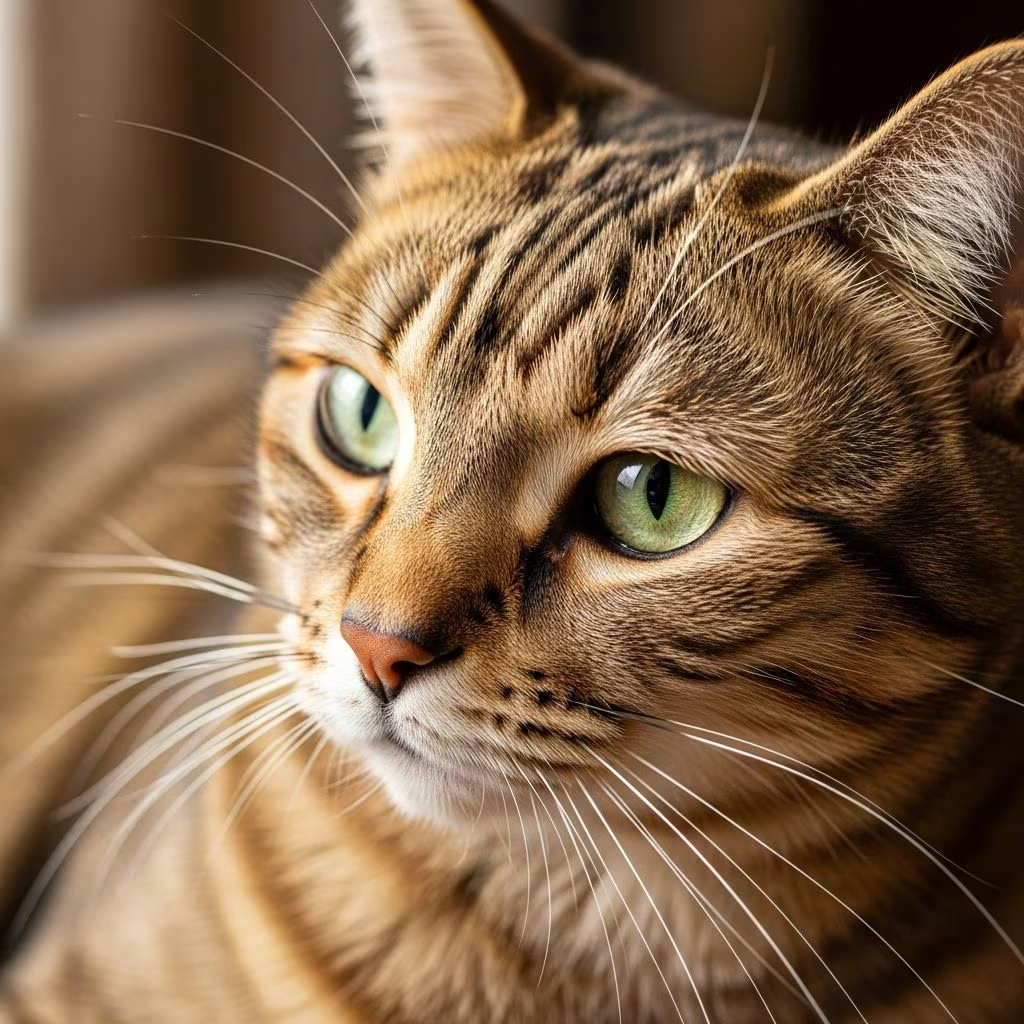
If you’ve noticed your cat’s whiskers breaking off or falling out, you may be wondering whether this is a cause for concern. While it can be alarming to spot broken whiskers around your home or on your cat’s face, the good news is that in most cases, whisker breakage is not a serious health issue. However, understanding the reasons behind whisker loss and knowing when to contact your veterinarian is essential for maintaining your feline companion’s health and well-being.
What Are a Cat’s Whiskers Made Of?
Before exploring why whiskers break, it’s important to understand what they are and why they matter. Cat whiskers, also known as vibrissae, are made of keratin—a fundamental fibrous protein found in the hair, nails, horns, and outer layer of skin of animals. Unlike regular fur, whiskers are significantly longer and thicker, featuring very sensitive nerve endings at their base. These specialized hairs serve crucial functions in your cat’s daily life, helping them navigate their environment, measure spaces, and maintain balance.
While whiskers are remarkably strong, they are not indestructible. They can break due to accidental trauma or everyday wear and tear. Understanding the structure and function of whiskers helps pet owners recognize when breakage is normal and when it might indicate an underlying issue.
When Should You Worry About Whisker Breakage?
In most cases, a few broken or split whiskers are perfectly normal and nothing to worry about. However, certain situations warrant veterinary attention. If you notice that one side of your cat’s face has significantly fewer whiskers, frequent breakage is occurring, or your cat is losing several whiskers in a short period, it’s time to consult your veterinarian.
This concern becomes even more important if significant whisker loss or breakage is accompanied by other troubling signs, including:
- Loss of appetite or weight changes
- Vomiting or abnormal stools
- Itching or skin rash
- Dull coat or hair loss
- Abnormal urine or behavioral changes
If your cat displays any combination of these symptoms alongside whisker breakage, scheduling a veterinary appointment should be a priority to rule out underlying health conditions.
The 5 Reasons Why Cats’ Whiskers Are Breaking Off
1. Normal Wear and Tear
The most common reason for whisker breakage is simply normal wear and tear. Like all hair on your cat’s body, whiskers undergo a natural cycle of growth and shedding. Cat whiskers are not eternal; they have a limited lifespan and are continuously renewed over time.
Cats are naturally curious creatures that love to explore tight spaces and rub against surfaces. This everyday activity can cause whiskers to break more frequently. Your cat’s tireless exploration and poking their nose into various places contributes to the natural wear on these sensitive hairs. If you’re only noticing a few split or broken whiskers with no other symptoms, this natural shedding cycle is likely the culprit, and there’s no need for concern.
2. Poor Diet
A cat’s diet plays a crucial role in the health of their entire body, including their whiskers. When a cat’s diet lacks protein and essential vitamins and minerals, it can lead to nutritional deficiencies that affect whisker quality and strength. Protein is particularly important, as whiskers are made of keratin, a protein-based structure.
Nutritional deficiencies manifest in visible ways. Your cat’s coat may become dry, lackluster, and brittle—and their whiskers can develop the same characteristics. Weak, brittle whiskers are far more susceptible to breaking during normal activities. A high-quality, balanced diet tailored to your cat’s specific nutritional needs can make a significant difference in the appearance and health of their coat and whiskers. If you’re concerned about your cat’s diet, consult your veterinarian for personalized dietary recommendations.
3. Trauma
Cats can experience injuries that directly affect their whiskers. Trauma from falls, collisions, or physical accidents can lead to whisker breakage. While whiskers generally play a protective role by helping cats gauge their surroundings and avoid accidents, they themselves are not immune to injury.
If your cat has experienced a fall or collision, you might notice broken whiskers on the side of impact. Rough play with other pets can also cause trauma-related whisker breakage. While these injuries typically heal naturally as new whiskers grow in, if you suspect your cat has sustained a serious injury, a veterinary examination is warranted to ensure no other damage has occurred.
4. Itch
Various skin conditions can cause your cat to experience itching or discomfort around the face and whisker area. When cats feel itchy, they tend to rub their face frequently with their paws or against surfaces like carpet, furniture, and walls. This excessive rubbing directly causes whisker breakage.
Conditions that can trigger facial itching and subsequent whisker loss include:
- Allergies (food or environmental)
- Skin infections (bacterial or fungal)
- Mites or parasites
- Mouth pain or dental problems
- Feline acne
When cats experience dental problems or mouth pain, they often rub their face against surfaces to relieve discomfort, which can break whiskers. Any visible signs of skin disease, irritation, excessive facial grooming, or unusual rubbing behavior should prompt a veterinary check-up to identify and treat the underlying cause.
5. Mutual Grooming
If you have multiple cats in your household, mutual grooming can occasionally result in broken or shorter whiskers. While grooming is a normal and healthy bonding behavior between cats, it sometimes becomes overzealous. One cat may unintentionally nibble another cat’s whiskers short during grooming sessions.
This behavior is especially common in kittens and younger cats who are still learning social boundaries and may play or groom more roughly than older, more experienced cats. If you notice whisker breakage primarily on one cat after observing interaction with another cat, mutual grooming is likely the cause. This is generally not a concern unless the grooming becomes so aggressive that it causes injury or distress.
Understanding Whisker Fatigue
Beyond the five primary causes, some cats experience whisker fatigue, a condition that deserves special mention. Whisker fatigue occurs when a cat’s sensitive whiskers repeatedly brush against food and water bowls, especially if the bowls have high sides or are too small. With each bite or sip, the whiskers touch the bowl repeatedly, creating stress on these sensitive sensory hairs.
Because whiskers are incredibly sensitive, this repeated contact can cause anxiety and discomfort, leading cats to avoid their bowls or eat and drink less. To prevent whisker fatigue, feed your cat from shallow, wide bowls made of stainless steel, glass, or ceramic materials. Plastic bowls should be avoided, as they can harbor bacteria and contribute to feline acne, which may also cause whisker loss.
When to Contact Your Veterinarian
While occasional whisker breakage is completely normal, certain situations require professional veterinary evaluation. Contact your vet if you observe:
- Significant or sudden increase in whisker loss
- Asymmetrical whisker loss (one side of the face significantly less whiskered)
- Whisker breakage accompanied by hair loss elsewhere on the body
- Signs of skin infection, rash, or excessive itching
- Behavioral changes or signs of illness
- Weight loss, appetite changes, or vomiting
Your veterinarian can perform a thorough examination to rule out underlying health conditions such as nutritional deficiencies, skin infections, allergies, dental disease, or other systemic issues that might be causing abnormal whisker loss.
How to Support Your Cat’s Whisker Health
As a responsible cat owner, you can take several proactive steps to support your cat’s whisker health:
- Provide proper nutrition: Ensure your cat receives a high-quality diet rich in protein, vitamins, and minerals
- Use appropriate bowls: Feed your cat from shallow, wide bowls made of safe materials
- Monitor grooming: Supervise play between multiple cats to prevent aggressive grooming
- Reduce stress: Create a calm environment to minimize stress-related issues
- Regular vet check-ups: Schedule routine veterinary visits to catch health issues early
- Watch for symptoms: Monitor your cat for signs of skin conditions, allergies, or dental problems
Frequently Asked Questions (FAQs)
Q: Is it normal for cat whiskers to break?
A: Yes, it’s completely normal for cat whiskers to break occasionally. Like all hair, whiskers have a natural growth and shedding cycle. A few broken whiskers with no other symptoms is typically not a concern.
Q: How long does it take for a cat’s whiskers to grow back?
A: Whiskers typically regrow over several weeks to a few months, depending on the individual cat and the extent of the breakage. The regrowth process is part of the natural hair cycle.
Q: Can I cut my cat’s whiskers?
A: No, you should never cut your cat’s whiskers. Whiskers are sensory organs that help cats navigate their environment. Cutting them can disorient your cat and affect their spatial awareness and balance.
Q: What should I feed my cat to prevent whisker breakage?
A: Feed your cat a high-quality, protein-rich diet formulated for feline nutritional needs. Consult your veterinarian for personalized dietary recommendations based on your cat’s age, health status, and any specific health concerns.
Q: Should I be worried if my cat loses whiskers on one side only?
A: Asymmetrical whisker loss can indicate trauma, infection, or skin conditions affecting that side of the face. This warrants a veterinary evaluation, especially if accompanied by other symptoms.
Q: Can whisker loss be a sign of a serious health condition?
A: While occasional whisker loss is normal, significant or sudden whisker loss accompanied by other symptoms like hair loss, weight changes, or behavioral changes may indicate underlying health issues requiring veterinary attention.
Conclusion
Whiskers are just like any other hairs on your cat’s body—they have a limited lifespan and are renewed over time. It is completely normal for a whisker to split, break, or come loose and for another one to replace it. A handful of broken whiskers without accompanying symptoms is typically nothing to worry about.
However, if your cat is experiencing unusual whisker breakage or loss and you notice other concerning signs such as heavy hair loss, fluctuations in weight or appetite, or behavioral changes, it’s time for a trip to your veterinary clinic. Your veterinarian can help determine whether the whisker loss is simply part of the natural cycle or indicative of an underlying health condition requiring treatment. By staying observant and providing proper nutrition and care, you can support your cat’s overall health and well-being for years to come.
References
- Why Are My Cats Whiskers Breaking Off? 5 Vet-Reviewed Possible Reasons — Catster. 2025. https://www.catster.com/cat-health-care/why-are-my-cats-whiskers-breaking-off/
- My Cat’s Whiskers Are Breaking Off on One Side, Is This a Problem? — Dial A Vet. 2024. https://www.dialavet.com/vet-answers/cats-whiskers-breaking-concern-26989
- Whisker Loss in Cats: Is It Normal for My Cat to Shed Its Whiskers? — Lincolnway Veterinary Clinic. 2024. https://lincolnwayvet.com/blog/whisker-loss-in-cats/
- Whisker Fatigue in Cats: What It Is and How To Help — PetMD. 2024. https://www.petmd.com/general-health/whisker-fatigue-cats-what-it-and-how-help



