

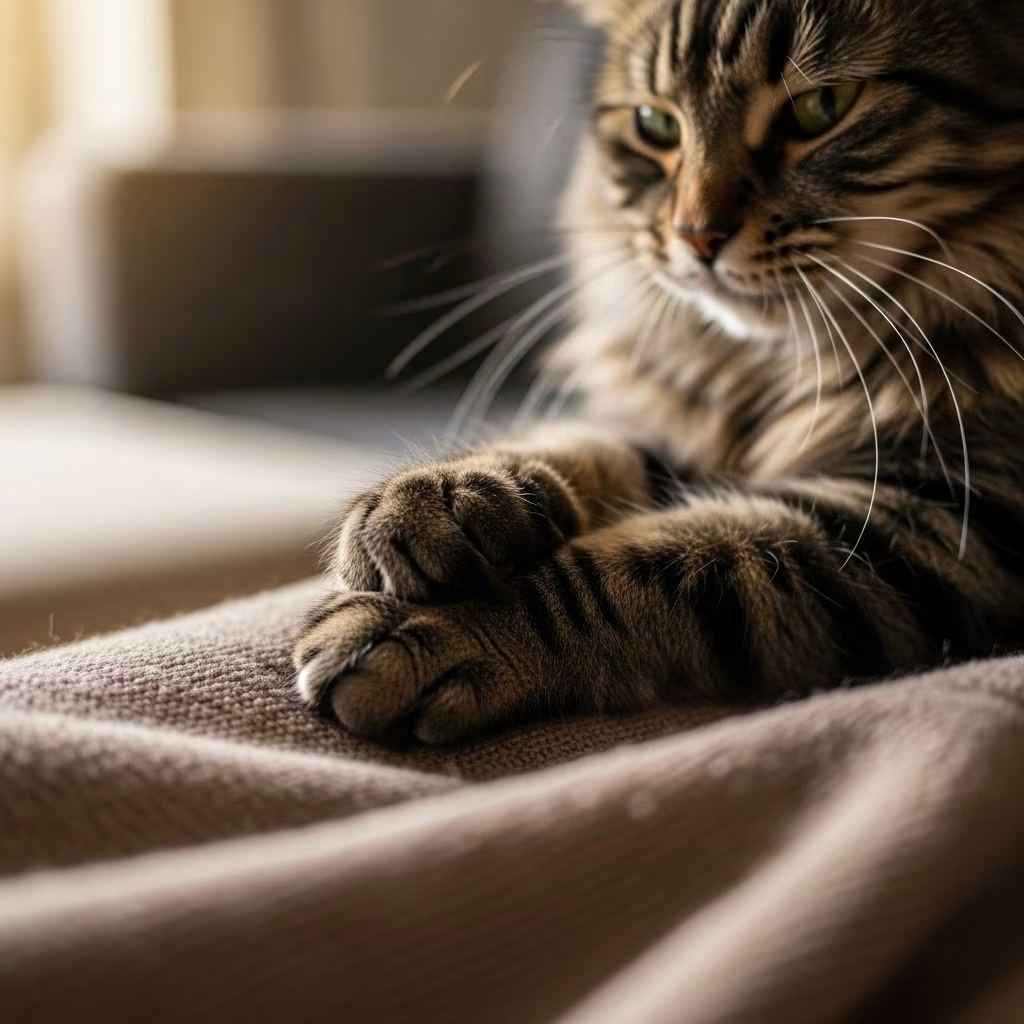
Cats often treat their owners’ bodies as personal pathways, stepping lightly or boldly across laps, chests, and even faces during moments of rest or relaxation. This behavior, while sometimes startling, stems from a mix of deep-seated instincts, emotional bonds, and practical needs. Understanding these motivations not only strengthens the human-feline relationship but also helps owners respond appropriately to prevent discomfort.
The Instinctual Drive Behind Paw Patrol
At its core, a cat’s tendency to traverse human anatomy echoes behaviors from their wild ancestors and kittenhood experiences. Felines are crepuscular creatures, most active at dawn and dusk, which explains why such ambles often occur during bedtime or lazy afternoons. Body heat, softness, and elevation play key roles, turning you into an ideal feline highway.
Domestic cats retain kitten-like traits into adulthood, seeking maternal comfort through physical contact. This manifests as climbing over trusted figures, much like they would littermates or their mother. Unlike dogs, cats rarely walk on each other as adults due to size similarities and social cues that discourage it, making humans—with our larger, stable forms—prime targets.
Affection in Motion: Love Expressed Through Steps
One primary motivation is pure fondness. Cats follow owners from room to room, shadowing daily routines out of curiosity and attachment. This escalates to physical proximity, where walking on you signifies ‘I choose you as my companion.’ Observant pet parents note cats trailing to bathrooms or bedrooms, then perching atop for closeness.
- Shadowing as Bonding: Felines view humans as part of their social circle, using proximity for reassurance and interaction.
- Playful Pursuit: Curiosity drives exploration of your activities, turning you into a moving playground.
Trust as the Foundation for Feline Freedom
Cats are inherently cautious, fleeing from unfamiliar faces. When one boldly navigates your form, it signals profound trust. They perceive you as a safe haven, unlikely to retaliate or cause harm. This vulnerability—exposing paws and belly while atop you—demonstrates security in your presence.
Building this trust involves consistent, gentle interactions. Avoid sudden movements during these moments to reinforce the bond. Over time, this confidence encourages more open displays of affection.
Territorial Claims via Paw Prints
Scent glands in a cat’s paw pads release pheromones during treading, subtly marking you as ‘mine.’ This territorial assertion prevents rivals—be they other pets or intruders—from encroaching. In multi-pet homes, increased trampling may occur to reaffirm ownership amid perceived threats.
| Scenario | Signs of Territorial Walking | Solutions |
|---|---|---|
| New Pet Introduction | Frequent pawing, kneading with claws | Pheromone diffusers, separate spaces |
| Visitor Arrivals | Intense marking on lap/shoulders | Calming treats, vertical perches |
| Alone Time After Absences | Persistent stepping post-return | Reassurance pets, routine play |
Attention-Seeking Strides
Your cat masters the art of interruption, learning that paws on skin demand immediate focus. Whether hungry, bored, or lonely, this tactic guarantees results—petting, feeding, or play. Nighttime prowls often coincide with energy peaks, disrupting sleep to solicit engagement.
To redirect: Establish routines like pre-bed play sessions mimicking hunt-feed cycles. Interactive toys tire them out, reducing nocturnal demands. Ignoring mild instances teaches boundaries without punishment.
Seeking Elevated Comfort Zones
Cats crave vantage points for surveillance. Your reclined body offers a living pedestal—laps for seated hours, hips for side-sleepers. This perch provides security, warmth, and oversight of the domain.
- Strategic Spots: Shoulders for overhead views, chests for heartbeat rhythms.
- Seasonal Shifts: Winter intensifies use as body heat rivals heaters.
Warmth and Coziness: The Ultimate Lure
Humans emit steady heat, especially extremities like laps and torsos. Cats, preferring 86-97°F environments, gravitate to these sources, particularly in cooler months or for chilly kittens.
This ties to kneading, or ‘making biscuits,’ where rhythmic pressing prepares a nest while releasing comforting scents. Though exact origins are debated, it likely recalls nursing from mother cats.
Curiosity and Exploratory Prowls
Inquisitive by nature, cats treat bodies as novel landscapes. Climbing furniture translates to scaling you, testing textures and reactions. Kittens especially explore via crawling, a habit persisting in playful adults.
Enrich environments with towers, tunnels, and window perches to channel this drive, minimizing human trampolines.
When to Worry: Health and Behavior Red Flags
Occasional walks are benign, but escalation may signal issues:
- Sudden Increase: Stress, pain, or hyperthyroidism prompting attention bids.
- Aggressive Clawing: Redirect to scratching posts; vet check for arthritis.
- Obsessive Kneading: Rule out nutritional deficiencies or anxiety.
Consult vets if paired with lethargy, appetite changes, or vocalization shifts. Routine checkups ensure no underlying conditions fuel the behavior.
Practical Strategies for Peaceful Coexistence
Balance enjoyment of this quirk with personal comfort:
- Play to Exhaustion: 15-20 minute sessions before bed with wand toys.
- Alternative Nests: Heated beds, blankets mimicking your scent.
- Gentle Redirection: Lift to floor calmly, reward calm behavior.
- Environmental Tweaks: Multi-level scratchers, puzzle feeders for mental stimulation.
These foster independence while preserving affection. Patience yields a harmonious home where treading becomes a cherished ritual, not a nuisance.
Frequently Asked Questions
Is it safe for my cat to walk on me while I sleep?
Generally yes, as it shows trust. Use light bedding to deter if claws prick.
Why does my cat only walk on me, not others?
You’re their primary bond, offering unique warmth/security signals.
How can I stop nighttime walking without upsetting my cat?
Evening play, consistent bedtime routines, and cozy alternatives work best.
Does kneading while walking mean my cat is happy?
Often yes, indicating comfort and contentment from kittenhood memories.
What if my cat walks aggressively?
Check for stress/pain; provide outlets and vet evaluation.
References
- Why Does My Cat Walk on Me? 7 Vet Approved Reasons — Catster. 2023-05-15. https://www.catster.com/cat-behavior/why-does-my-cat-walk-on-me/
- Why Does my Cat Follow Me Everywhere — Creekside Pet Care. 2024-02-10. https://creeksidepetcare.com/blog/cat-follow-me-everywhere/
- Why Does My Cat Walk On Me? — Hill’s Pet Nutrition. 2023-11-20. https://www.hillspet.com/cat-care/behavior-appearance/why-does-my-cat-walk-on-me
- Why Does My Cat Walk on Me? — Vetstreet. 2022-08-05. https://www.vetstreet.com/our-pet-experts/why-does-my-cat-walk-on-me



