

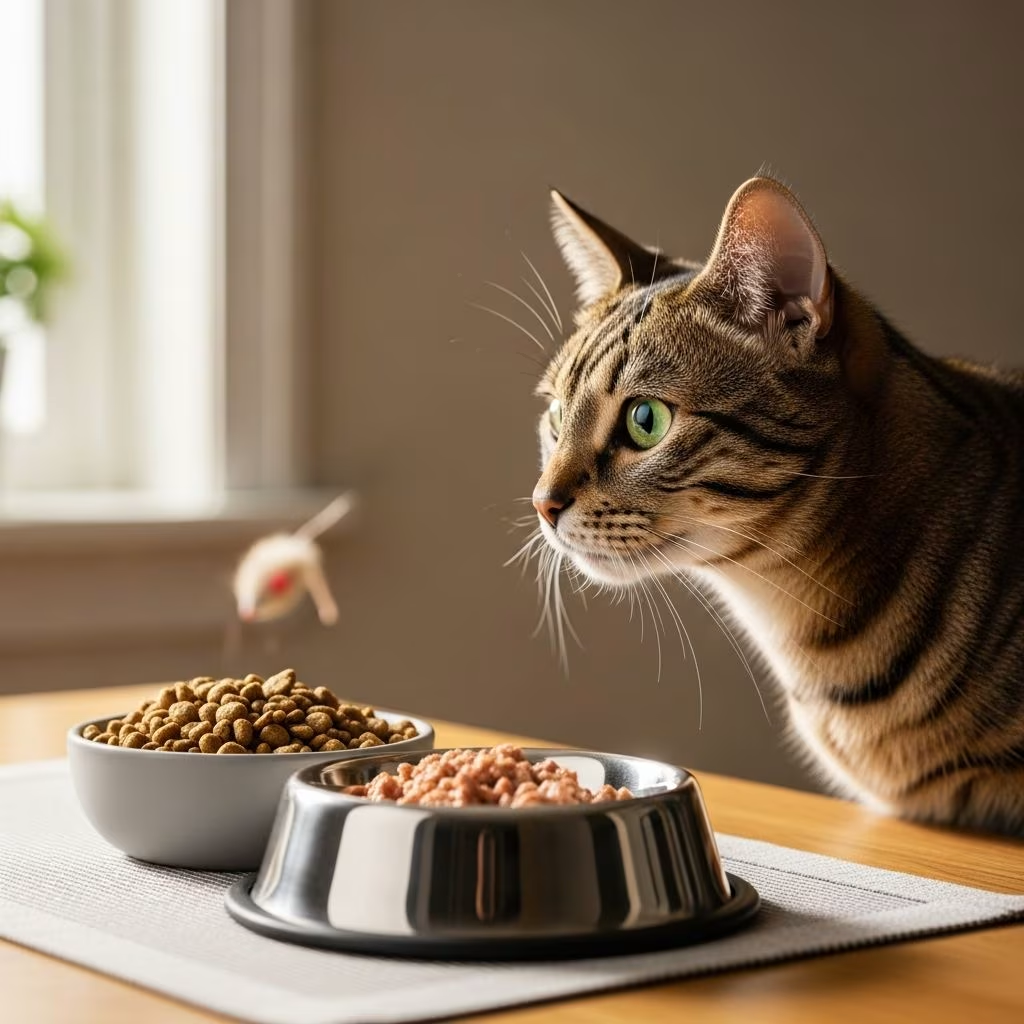
Cats often develop selective eating habits due to a mix of evolutionary instincts, environmental factors, learned behaviors, and potential health problems. Understanding these triggers allows cat owners to implement targeted solutions that promote steady nutrition intake.
Instinctual Roots of Selective Eating
Feline pickiness traces back to their wild heritage, where ancestors consumed small, fresh prey multiple times daily. Domestic cats retain this preference, often favoring foods that mimic the warmth, texture, and aroma of recent kills. Warming wet food to around body temperature or adding warm water to kibble can enhance appeal, as cooler temperatures may deter consumption.
Shape and size matter too; kibble or pate forms resembling prey pieces encourage engagement. Kittens imprint on flavors from their mother’s diet during weaning, shaping lifelong preferences. Early exposure to varied textures and tastes builds flexibility, aiding transitions to therapeutic diets later.
Environmental Influences on Appetite
A cat’s dining setup profoundly affects willingness to eat. High-traffic zones, proximity to litter boxes, or shared spaces with other pets create stress, leading to food avoidance. Cats thrive in quiet, clean areas distant from water bowls, as many dislike combined food-water stations.
Stale or soiled bowls repel even hungry cats. Daily washing with mild soap, avoiding strong scents, maintains hygiene. Relocations, new household members, or routine disruptions like moving furniture can trigger temporary refusals, resolving with stability restoration.
- Position bowls in low-stress, secluded spots.
- Separate food from water by at least three feet.
- Clean bowls daily and discard uneaten portions after 20 minutes.
- Maintain consistent feeding times and locations.
Stress and Behavioral Contributors
Stress ranks as a primary disruptor, stemming from household changes such as new pets, visitors, or loud noises like construction or storms. Cats link emotional comfort to eating; anxiety suppresses appetite via hormonal shifts. Boredom from monotonous diets mimics wild variety-seeking, where daily hunts yielded diverse flavors.
Overfeeding contributes in overweight cats, reducing hunger signals. Calculate daily caloric needs based on age, weight, and activity, dividing into 3-4 small meals to align with natural patterns. Inadvertent reinforcement occurs when owners offer premium treats or switches upon refusal, teaching cats to hold out.
Health Conditions Masked as Pickiness
Sudden appetite changes signal medical urgency, as cats conceal illness to avoid predation vulnerability. Common culprits include dental pain from gingivitis or abscesses, impeding chewing despite visible tooth health.
Kidney disease induces nausea via toxin buildup, prevalent in seniors. Gastrointestinal blockages, parasites, pancreatitis, or inflammatory bowel disease cause discomfort, manifesting as selective refusal. Respiratory infections dull smell, crucial for appetite stimulation, while arthritis limits bowl access. Hepatic lipidosis, a fat cat risk after 2-3 day fasts, proves fatal without intervention.
| Condition | Symptoms Beyond Pickiness | Action |
|---|---|---|
| Dental Disease | Drooling, bad breath, pawing mouth | Vet oral exam, possible antibiotics or extraction |
| Kidney Issues | Increased thirst/urination, weight loss | Bloodwork, dietary management |
| GI Upset | Vomiting, diarrhea, lethargy | Diagnostics like ultrasound |
| Stress/Anxiety | Hiding, aggression, litter issues |
Consult a vet immediately if refusal persists over 24 hours, especially with vomiting, diarrhea, or lethargy.
Proven Feeding Strategies
Transition foods gradually over 7-10 days, blending 25% new with 75% old, increasing incrementally to minimize rejection. Offer multiple small meals; free-feeding suits some but risks obesity in others.
Enhance palatability by topping kibble with wet food broth or fish oil. Puzzle feeders combat boredom, promoting natural foraging. For multi-cat homes, provide separate stations to prevent competition.
- Assess baseline intake and body condition score.
- Establish fixed schedule: 3-4 meals daily.
- Experiment with temperatures and toppers cautiously.
- Monitor for 48 hours; seek vet if no improvement.
Nutritional Balance for Picky Cats
Prioritize complete, balanced formulas meeting AAFCO standards, tailored to life stage. Overweight pickies benefit from high-protein, low-carb options to sustain satiety. Therapeutic diets for conditions like urinary health require vet guidance, introduced slowly.
Hydration aids eating; fountains encourage drinking, softening kibble if needed. Supplements like omega-3s support coat and joints but never replace vet-prescribed nutrition.
Preventing Future Episodes
Foster resilience through kittenhood variety, routine consistency, and annual vet checkups detecting subclinical issues early. Enrich environments with scratching posts, perches, and play to reduce stress. Track weight monthly; sudden drops warrant investigation.
Owner education prevents behavioral reinforcement. Resist impulse switches; patience yields better results.
FAQs
What if my cat skips one meal?
Young healthy cats tolerate 24-hour fasts, but monitor seniors or thin cats closely. Offer alternatives; if refused, vet check advised.
Can treats help picky eaters?
Limited to 10% calories; use as toppers, not substitutes, to avoid nutritional gaps.
Is wet food better for finicky cats?
Often more aromatic and palatable, aiding hydration, but rotate to prevent boredom.
How long before calling the vet?
24-48 hours for adults, sooner for kittens, seniors, or diabetics.
Does breed affect pickiness?
No strong evidence; individual temperament dominates.
References
- Why Are Cats Such Picky Eaters? — PetMD. 2023. https://www.petmd.com/cat/nutrition/why-are-cats-picky-eaters
- My Cat Won’t Eat: Feeding Picky Eaters — VCA Animal Hospitals. 2023. https://vcahospitals.com/know-your-pet/feline-picky-eaters
- Why is My Cat So Picky? — Blue Buffalo. 2023. https://www.bluebuffalo.com/articles/cat/why-is-my-cat-so-picky/
- Common Reasons Your Cat is Not Eating — Beacon Veterinary Hospital. 2021-12-20. https://www.thebeaconvet.com/site/blog/2021/12/20/common-reasons-your-cat-is-not-eating
- Is Your Cat a Picky Eater, or Is It Something More? — Oz Animal Hospital. 2023. https://ozanimalhospital.com/is-your-cat-a-picky-eater-or-is-it-something-more/



