

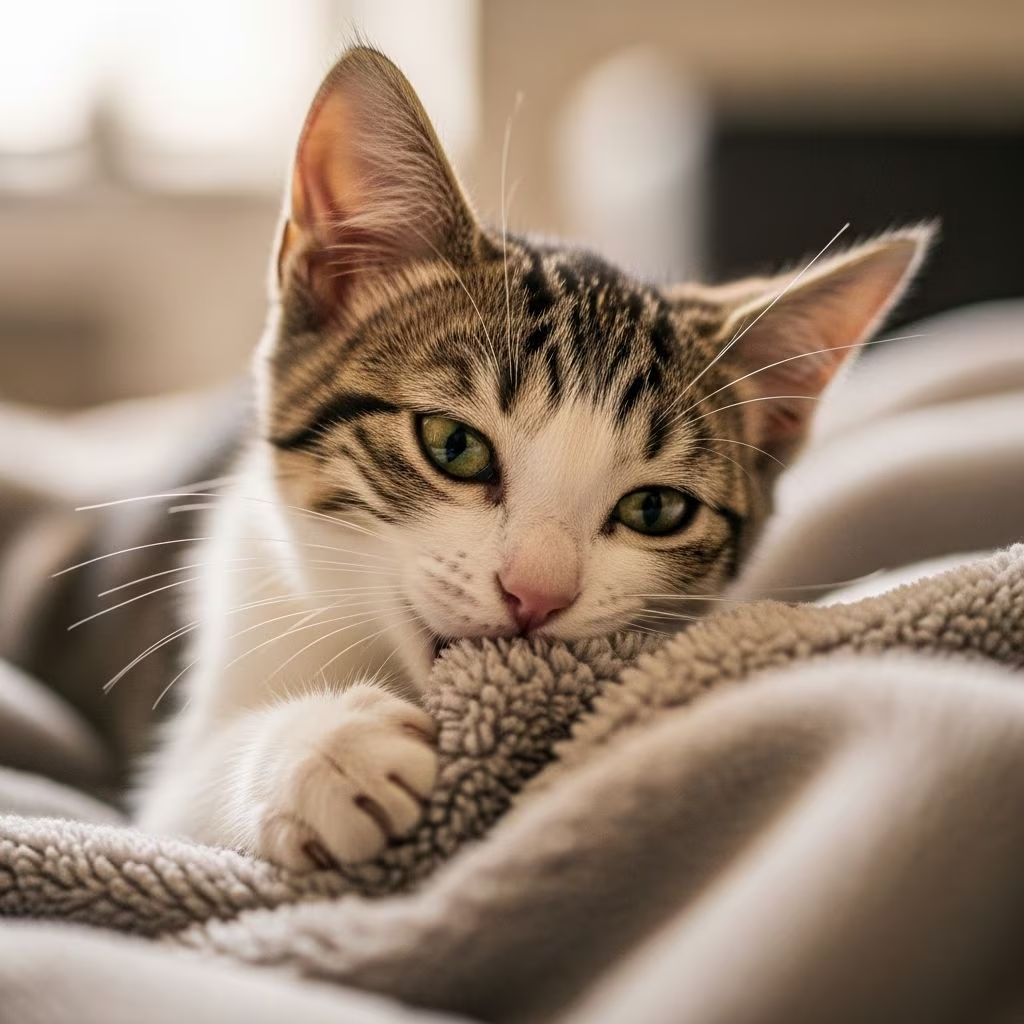
Why Cats Suckle, and How To Stop It
Cat suckling is a normal kitten behavior that typically stops when kittens are weaned. This behavior is typically harmless; however, it’s important to understand what causes it and when intervention might be necessary. Whether your cat is suckling on blankets, your clothing, or other soft objects, understanding the underlying reasons can help you address the behavior effectively and compassionately.
Key Takeaways
- Cat suckling is a normal kitten behavior that typically stops when kittens are weaned
- This behavior is typically harmless; however, see your vet if your cat also is not eating or is hiding or sleeping more
- Initiating play with a toy like a feather wand can redirect the behavior
- Positive reinforcement with treats can also help redirect suckling behavior
- Never punish your cat for suckling—this will just lead to increased stress and more unwanted behaviors
What Is Cat Suckling?
Suckling is a natural instinct left over from your cat’s early days snuggling up to mom and nursing. When kittens are nursing, the act of suckling on their mother provides them not only with nutrition, but also comfort and security. This bonding experience is crucial for a kitten’s emotional development and sense of security.
Some cats stop suckling once weaned, while others continue to do so into adulthood, sucking on soft objects—such as blankets, T-shirts or even their pet parent’s fingers—in lieu of mom. Many times, it’s accompanied by “kneading” and purrs. This kneading motion, where cats push their paws in and out against soft surfaces, is another leftover instinct from nursing days. When your cat engages in suckling behavior while kneading and purring, they are essentially recreating the comfort and security of their early nursing experiences.
Why Does My Cat Suckle?
Understanding the reasons behind your cat’s suckling behavior is essential for addressing it appropriately. There are several factors that contribute to why cats continue this behavior into adulthood:
Self-Soothing
The repetitive motion and sensation of suckling can be calming for cats, much like how some humans find repetitive actions, like knitting or tapping, soothing. Suckling can be compared to thumb-sucking among children. For many cats, this behavior serves as a coping mechanism for stress and anxiety, providing them with immediate comfort during challenging moments.
Early Weaning
Early weaning is associated with stress-related behaviors in adult cats. Kittens who are separated from their mothers early may be more likely to suckle into adulthood. The natural weaning process takes several weeks, and when interrupted prematurely, it can leave kittens without proper closure to this developmental stage. This can manifest as continued suckling behavior as they seek the comfort they missed during their critical developmental period.
Genetics
It’s more common in Oriental breeds than in European breeds. Such breeds include Siamese, Burmese, Tonkinese and Balinese. If you have one of these breeds, you may find that suckling behavior is more pronounced or persistent. This genetic predisposition suggests that some cats are naturally more inclined to seek comfort through suckling than others.
Stress and Anxiety
When cats experience stress or anxiety, they may resort to suckling as a coping mechanism. Changes in their environment, new pets, moving to a new home, or even changes in routine can trigger this behavior. For some cats, suckling becomes a way to self-soothe during times of uncertainty or discomfort.
Why Do Cats Suckle on Blankets, Specifically?
Cats are known to suckle on a variety of objects and surfaces, with blankets being a classic choice. Blankets, in particular, seem to be a favorite for many cats to suckle on. The soft texture of blankets can mimic the feel of their mother’s fur, making it a comforting item to latch on to. This textural similarity provides cats with a sensory experience that closely resembles nursing from their mother.
Similarly, cats may suckle on knit sweaters, textured pillows and plush toys. Any soft, fabric-based object can become a target for suckling behavior. The warmth that blankets provide, combined with their soft texture, makes them particularly attractive to cats seeking comfort. Understanding this preference can help you redirect your cat’s behavior toward appropriate objects.
Is Cat Suckling Harmless?
For most cats who suckle, this is a benign behavior that doesn’t require intervention. The behavior itself is not harmful and often indicates that your cat is feeling content and secure. However, there are situations where cat suckling may warrant attention. If your cat’s suckling leads to excessive ingestion of fabric or other foreign materials, it could result in digestive issues, vomiting, or in severe cases, intestinal blockages.
Additionally, if suckling behavior is accompanied by other symptoms such as loss of appetite, increased hiding, excessive sleeping, or other behavioral changes, it may indicate an underlying health issue or significant stress that requires veterinary attention. In these cases, consulting with your veterinarian or a certified feline behaviorist is recommended.
How To Stop a Cat From Suckling
If you’ve determined that your cat’s suckling behavior is problematic and needs to be addressed, there are several effective strategies you can employ. The key is to use patient, positive approaches that help redirect the behavior rather than punish it.
Redirect the Behavior With Play
One of the most effective ways to address suckling behavior is through redirection. Initiating play with a toy like a feather wand can capture your cat’s attention and redirect their focus away from suckling. Interactive play not only provides mental stimulation but also helps satisfy your cat’s natural hunting instincts. By scheduling regular play sessions throughout the day, you can reduce the likelihood of suckling behavior occurring.
Use Positive Reinforcement
When your cat chooses not to suckle, remember to acknowledge and reward the behavior. Positive reinforcement can be effective, like praising the cat when they choose not to suckle or redirecting their attention and then rewarding them with treats. This approach helps your cat understand that choosing alternative behaviors leads to positive outcomes. Over time, your cat will be more likely to engage in these rewarded behaviors instead of suckling.
Provide Designated Suckling Objects
Rather than trying to eliminate suckling entirely, you can give your cat a designated blanket they are allowed to suck on so they leave your clothing and pillows alone. This harm-reduction approach acknowledges that suckling may be a self-soothing behavior your cat needs while protecting your belongings. Choose a blanket or toy specifically for this purpose and encourage your cat to use it.
Minimize Stress
If cat suckling seems to be caused by stress, try to eliminate or minimize stressors by using a synthetic pheromone, like a Feliway plug-in diffuser, or by giving your cat extra attention and playtime. Creating a calm, predictable environment with consistent routines can significantly reduce stress-related behaviors. Ensure your cat has access to quiet spaces where they can retreat when feeling overwhelmed.
Prioritize Mental Stimulation
Provide your cat with mental stimulation. Boredom can be a part of the suckling behavior, so try playing, exercising, using puzzle toys, or offering cat treats to redirect the behavior and satisfy some of their other natural predation urges. If your cat doesn’t have another cat in the household to play with, consider adopting them a friend. A feline companion can provide valuable social interaction and mental enrichment.
Establish a Consistent Routine
Cats thrive on predictability. Establishing consistent daily routines for feeding, play, and sleep can help reduce anxiety and stress-related behaviors. Set specific times for interactive play sessions and maintain these schedules to help your cat feel secure and engaged throughout the day.
Important Do’s and Don’ts
| Do’s | Don’ts |
|---|---|
| Use positive reinforcement and rewards | Never punish your cat for suckling |
| Redirect behavior to appropriate toys | Don’t use aversive techniques or deterrents |
| Provide environmental enrichment | Don’t isolate your cat or restrict play |
| Monitor for health issues | Don’t ignore signs of stress or anxiety |
| Consult with a veterinarian if concerned | Don’t assume all suckling is harmless |
When to Consult Your Veterinarian
While cat suckling is generally a harmless behavior, there are specific situations where professional guidance is necessary. Contact your veterinarian if your cat shows signs of not eating properly, is hiding more than usual, is sleeping excessively, or if suckling behavior appears suddenly or becomes obsessive. Additionally, if your cat is ingesting foreign materials and experiencing vomiting or digestive upset, veterinary care is essential to rule out underlying health issues.
A certified feline behaviorist can also provide valuable guidance for addressing persistent or problematic suckling behavior. These professionals can assess your individual cat’s situation and recommend tailored strategies based on their specific needs and circumstances.
Frequently Asked Questions (FAQs)
Q: Is cat suckling a sign that something is wrong with my pet?
A: Not necessarily. For most cats, suckling is a normal, benign behavior that indicates comfort and contentment. However, if suckling behavior appears suddenly, becomes obsessive, or is accompanied by other behavioral changes like loss of appetite or excessive hiding, it may warrant veterinary attention to rule out underlying health or behavioral issues.
Q: Can I stop my cat from suckling completely?
A: Complete elimination of suckling behavior may not be necessary or advisable, as it serves as a self-soothing mechanism for your cat. Instead, focus on redirecting the behavior to appropriate objects and ensuring your cat has adequate enrichment, play, and stress management strategies in place.
Q: Is it harmful if my cat swallows some fabric while suckling?
A: While occasional ingestion of small amounts of fabric is usually not problematic, excessive ingestion can lead to digestive issues, vomiting, or intestinal blockages that may require veterinary intervention. Monitor your cat’s behavior and digestion, and consult your vet if you notice signs of distress or digestive upset.
Q: Why is my adult cat suddenly starting to suckle?
A: Sudden onset of suckling behavior in an adult cat may indicate increased stress, anxiety, a change in environment, or potential health issues. A veterinary evaluation can help identify the underlying cause and determine appropriate interventions.
Q: Are certain cat breeds more prone to suckling?
A: Yes, Oriental breeds such as Siamese, Burmese, Tonkinese, and Balinese are more genetically predisposed to suckling behavior than other breeds. If you have one of these breeds, suckling behavior may be more common and persistent.
Q: How can I tell if my cat is suckling due to stress versus just comfort-seeking?
A: Stress-related suckling is often accompanied by other behavioral changes such as over-grooming, paw-sucking, tail-chewing, decreased appetite, or increased hiding. If suckling occurs during calm moments and your cat appears relaxed, it’s likely comfort-seeking behavior. Conversely, if accompanied by signs of anxiety or behavioral changes, stress reduction strategies should be prioritized.
Q: What’s the difference between suckling and chewing?
A: Suckling involves gentle, rhythmic sucking on soft objects, often accompanied by kneading and purring, whereas chewing involves more active biting and consuming of material. Suckling is typically a self-soothing behavior, while chewing may indicate boredom, dental issues, or other behavioral concerns.
References
- Why Cats Suckle, and How To Stop It — Chewy. 2024. https://www.chewy.com/education/cat/training-and-behavior/how-can-i-stop-cats-suckling-behavior
- How to Stop a Cat from Suckling: Expert Solutions and Prevention Tips — Pets Care. 2024. https://www.petscare.com/news/post/how-to-stop-cat-suckling
- Is Your Cat Suckling Blankets as an Adult? — PetMD. 2024. https://www.petmd.com/cat/behavior/why-do-cats-suckle-on-blankets
- Cat Behavior Problems – Chewing and Sucking — VCA Animal Hospitals. 2024. https://vcahospitals.com/know-your-pet/cat-behavior-problems—chewing-and-sucking



