

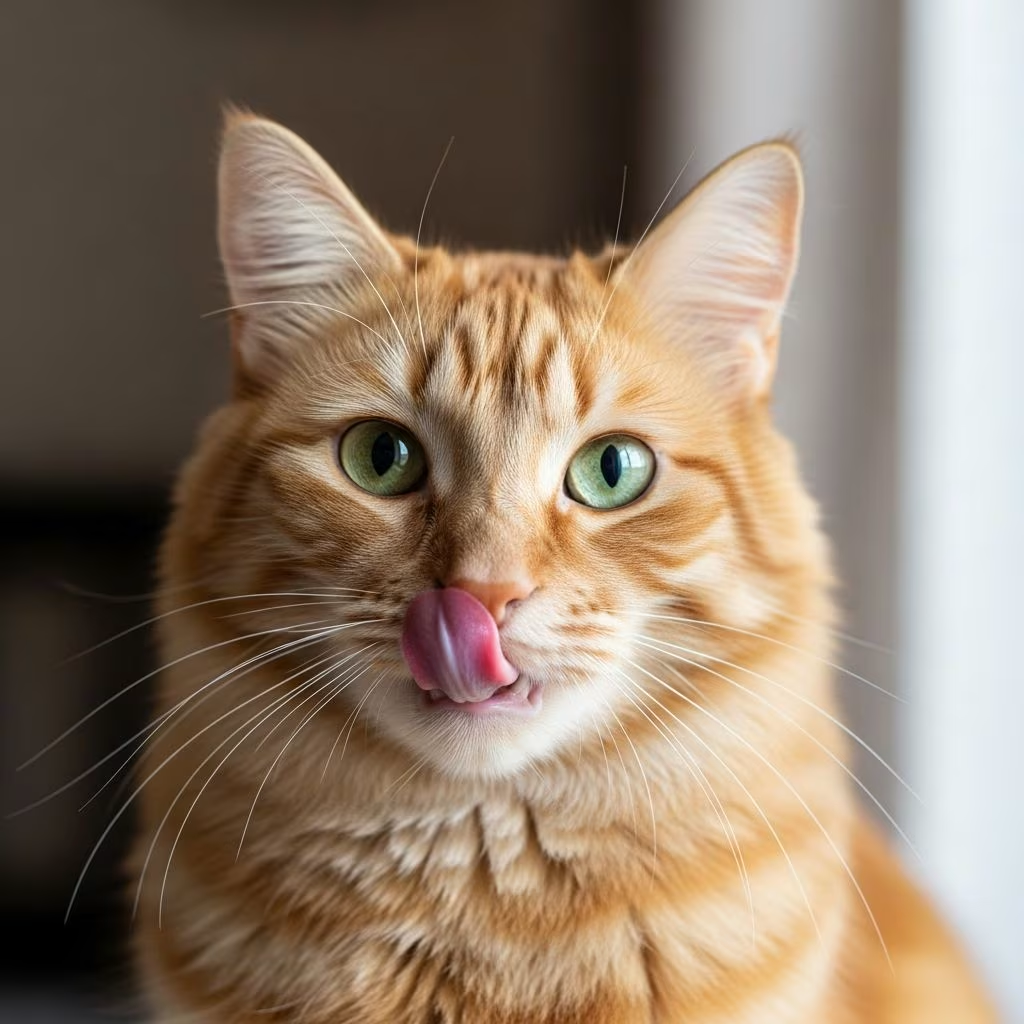
Cats sticking their tongues out is a common and often adorable sight that puzzles many pet owners. Known as **blepping**, this quirky behavior can signal anything from pure relaxation to potential health issues. Understanding the reasons helps you discern harmless habits from concerns requiring veterinary attention.
What Is Blepping in Cats?
**Blepping** occurs when a cat leaves its tongue slightly protruding from its mouth, creating an endearing, surprised expression. This phenomenon is widespread across felines and often captures hearts on social media with hashtags like #TongueOutTuesday.
Cats blep for innocent reasons like getting distracted mid-grooming or simply relaxing. It’s a sign of comfort in many cases, but persistent blepping warrants observation for accompanying symptoms.
10 Common Reasons Cats Stick Their Tongues Out
From benign to medical, here are the primary explanations for this feline quirk:
- Your Cat Is Blepping: The classic reason—cats get interrupted during licking and forget to retract their tongue. It’s unconscious and harmless.
- Relaxation or Sleep: Like humans, cats’ mouths relax during sleep, allowing the tongue to lol out. Accompanied by soft breathing or dreaming twitches.
- Missing Teeth or Jaw Issues: Gaps from lost teeth make it hard to contain the tongue. Common in seniors.
- Brachycephalic Breeds: Flat-faced breeds like Persians, Himalayans, and Burmese have anatomy that predisposes them to tongues slipping out.
- Motion Sickness or Anxiety: Car rides trigger stress, leading to tongue protrusion. Use calming aids like pheromone sprays.
- Nausea: Lip licking or tongue flicking signals upset stomach from diet changes, hairballs, or toxins. Watch for vomiting.
- Neurological Problems: Rare conditions affect tongue control, often with other odd movements. Vet diagnosis essential.
- Respiratory Issues: Infections or blockages cause labored breathing and tongue hanging. Blue gums demand emergency care.
- Overheating: Cats don’t pant normally; tongue out with lethargy signals heat stress. Cool them immediately.
- Dental Disease or Stomatitis: Pain from gingivitis, plaque, or inflammation leads to drooling and tongue exposure. Bad breath is a clue.
Why Do Cats Blep? The Cute Side Explained
Blepping embodies cats’ quirky personalities. Often, it’s a momentary lapse during grooming when a noise or movement distracts them, leaving the tongue mid-air.
Relaxed cats blep while lounging, their jaws slack in contentment. Cats with dental gaps blep more easily, as there’s less structure holding the tongue in place.
This behavior showcases their unique anatomy: cat tongues feature papillae—tiny, backward-facing spines for grooming and eating. When partially out, these spines glisten, amplifying the cute factor.
The Flehmen Response: A Deeper Instinct
Beyond blepping, cats stick tongues out during the **Flehmen response**. They curl lips, open mouths, and protrude tongues to analyze pheromones via the vomeronasal organ.
This organ, located in the mouth’s roof, detects chemical signals from urine, faces, or scratches. It’s crucial for communication, mating, and territory marking—not aggression.
Observe: the cat freezes, head tilted, tongue flickering. It’s normal, especially around new scents or other cats.
When Is It Normal vs. a Health Concern?
Occasional blepping during relaxation or grooming is fine. However, **sudden or frequent tongue-sticking** with symptoms like drooling, bad breath, lethargy, coughing, or appetite loss signals trouble.
| Normal Signs | Concerning Signs |
|---|---|
| Short duration Happy demeanor No other symptoms | Persistent Drooling/bad breath Panting/labored breath Weight loss |
Brachycephalic breeds blep more due to anatomy, but monitor for breathing difficulties.
Dental and Oral Health Issues in Cats
**Periodontal disease** affects 70% of cats over 3 years, per veterinary studies. Plaque hardens into tartar, causing gingivitis and pain that makes tongues hang out.
**Stomatitis**, a severe inflammation, reddens gums and tongue, leading to drooling and pawing. It’s immune-mediated, often requiring tooth extractions.
Prevent with brushing, dental diets, and check-ups. VCA Hospitals emphasize early hygiene to avoid progression.
Stress, Nausea, and Environmental Triggers
Travel anxiety causes motion sickness, manifesting as tongue out and lip licking. Desensitize with short trips and calming products like ThunderShirts.
Nausea from hairballs, diet shifts, or allergies prompts tongue flicking before vomiting. Offer hairball remedies and gradual food changes.
Overheating is dangerous; provide shade, water, and fans. Panting isn’t normal—seek vet for heatstroke signs.
Neurological and Respiratory Red Flags
Neurological diseases impair tongue control, paired with tremors or coordination loss. Dr. Rebecca Greenstein notes these are complex, needing diagnostics.
Respiratory infections or blockages cause gasping and tongue protrusion. Heart disease history amplifies risks—emergency if gums blue.
How to Monitor and Care for Your Cat
- Track frequency and context of blepping.
- Inspect mouth weekly for redness, plaque, or odors.
- Ensure dental toys and routine vet exams.
- Maintain cool environment and stress-free travel.
- Sudden changes? Schedule vet visit promptly.
Frequently Asked Questions (FAQs)
Is it bad if my cat’s tongue sticks out?
Usually not—it’s often blepping or relaxation. But with drooling or breathing issues, see a vet.
Why do some cat breeds stick tongues out more?
Brachycephalic breeds like Persians have short noses, making containment difficult.
What if my cat pants with tongue out?
Uncommon in cats; indicates heat, stress, or respiratory distress. Cool down and monitor closely.
Does blepping mean my cat is happy?
Often yes, signaling relaxation. Context matters—pair with tail position and ears.
How to prevent dental issues causing tongue out?
Brush teeth, use dental treats, and get professional cleanings.
Conclusion: Embrace the Blep, But Stay Vigilant
Your cat’s tongue-out moments blend cuteness with communication. While mostly harmless, awareness of triggers ensures timely health interventions. Regular vet care keeps your blepper thriving.
References
- 11 Reasons Why Your Cat’s Tongue Might Be Sticking Out — Rover.com. 2023. https://www.rover.com/blog/why-do-cats-stick-out-their-tongues/
- Why Do Cats Stick Their Tongues Out and Other Behavior Decoded — Feliway US. 2023. https://us.feliway.com/blogs/news/why-do-cats-stick-their-tongues-out-and-other-behavior-decoded
- Blepping In Cats: Guide for Cat Owners [2025] — Valley Animal Hospital. 2025. https://thevalleyanimalhospital.com/blepping-in-cats/
- Motion Sickness in Cats — VCA Animal Hospitals. 2024. https://vcahospitals.com/know-your-pet/motion-sickness-in-cats
- Periodontal Disease in Cats — VCA Animal Hospitals. 2024. https://vcahospitals.com/know-your-pet/periodontal-disease-in-cats



