

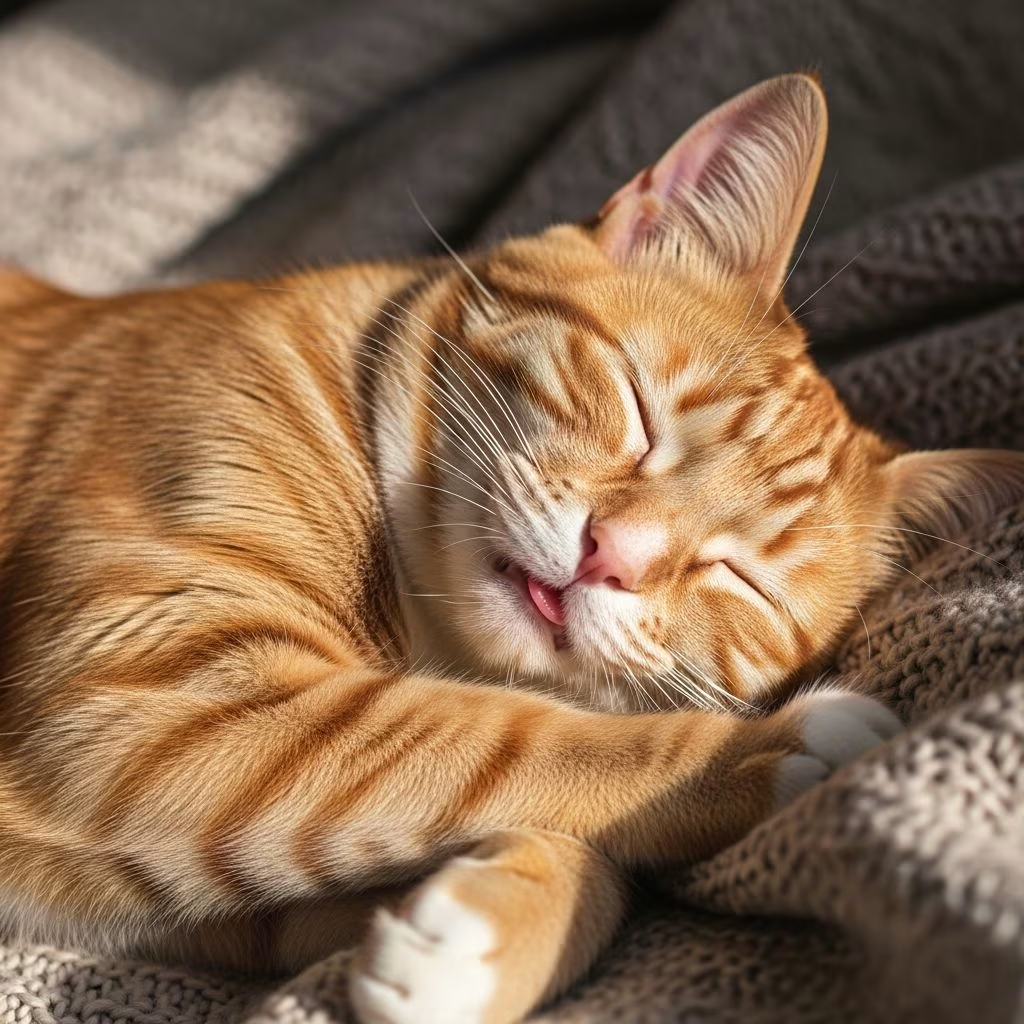
Why Do Cats Stick Their Tongue Out While Sleeping?
If you’ve ever caught your cat napping with their tongue slightly protruding from their mouth, you’ve witnessed one of the most endearing and peculiar feline behaviors. This adorable quirk often leaves cat owners wondering what’s behind this seemingly silly habit. While the image of a sleeping cat with its tiny tongue hanging out is undeniably cute, it’s natural to question whether this behavior signals contentment or indicates an underlying health concern. Understanding the reasons behind this behavior can help you determine whether your feline friend is simply enjoying a peaceful nap or if professional veterinary attention is needed.
The 4 Main Reasons Why Cats Stick Their Tongue Out While Sleeping
1. Your Cat Is Completely Relaxed
The most common and reassuring reason your cat sleeps with their tongue out is simple relaxation. When cats enter deep sleep or find themselves in a state of complete comfort, their entire body—including facial muscles and jaw—becomes loose and limp. This muscular relaxation allows the tongue to protrude naturally from the mouth without any conscious effort on your cat’s part. Think of it as the feline equivalent of a human falling asleep on the couch with their mouth slightly agape.
When your cat is sleeping peacefully with their tongue out, it’s often a sign that they feel secure, safe, and completely at ease in their environment. This behavior suggests your kitty trusts their surroundings enough to enter a deeply relaxed state. Rather than being a cause for concern, this can actually be interpreted as a positive indicator that your cat is happy and content in their home. If your cat has been doing this for as long as you’ve had them, there’s typically no reason to worry.
2. It’s Related to Your Cat’s Breed
Certain cat breeds are genetically predisposed to have their tongues stick out more frequently than others. Flat-faced or brachycephalic breeds have facial structures that create limited space in their mouths, which can cause their tongues to protrude naturally. These breeds include:
- Persian cats
- Himalayan cats
- Burmese cats
- Other similar flat-faced breeds
While having a tongue that sticks out slightly can be a normal and endearing characteristic of these breeds, it’s important for owners to remain vigilant about their respiratory health. The facial structure of brachycephalic breeds can sometimes lead to breathing difficulties. If you notice signs of respiratory distress in your flat-faced cat—such as noisy or labored breathing, excessive panting, or gasping for air—consult your veterinarian promptly. Regular monitoring ensures your breed-prone cat maintains good respiratory function and overall health.
3. Your Cat May Have Dental Issues
If your cat has recently started sleeping with their tongue out, dental problems could be the underlying cause. Cats suffering from dental issues may stick their tongues out both during sleep and throughout their daily activities. Several dental conditions could prompt this behavior:
- Objects lodged between teeth or in the mouth
- Tooth decay or gum disease
- Oral pain or inflammation
- Tumors or growths in the tongue or mouth
- Blockages in the throat or roof of the mouth
When a cat experiences dental discomfort or has something physically preventing normal tongue positioning, they may leave their tongue out as a response. If you suspect dental issues, schedule a veterinary appointment as soon as possible. Your vet can perform a thorough oral examination and recommend appropriate treatment, whether that involves professional cleaning, extraction, or management of underlying conditions.
4. Your Cat Has an Inflamed or Swollen Tongue
A sudden onset of your cat sleeping with their tongue out could indicate tongue inflammation or swelling. Various factors can cause this condition, including:
- Insect bites on or around the tongue
- Exposure to toxic substances
- Exposure to caustic materials
- Allergic reactions
- Infections or inflammatory conditions
If you suspect your cat’s tongue may be swollen, carefully open their mouth and examine the tongue for abnormal appearance, discoloration, or obvious swelling. Look for any signs of injury, redness, or unusual texture. If the tongue appears significantly swollen or abnormal, contact your veterinarian immediately, as this could indicate a condition requiring urgent treatment.
Other Reasons Cats Stick Their Tongues Out
The Flehmen Response
Beyond sleeping, cats stick their tongues out for various other reasons. One fascinating behavior is known as the Flehmen response. When your cat smells something intriguing in the air, they may stick out their tongue while scrunching up their face in what appears to be a grimace. This behavior serves an important sensory function. Cats possess a special sensory organ called the Jacobson’s organ (vomeronasal organ), located in the roof of their mouth between the nasal cavity and palate. When cats perform the Flehmen response, they’re essentially “tasting the air” by transferring scent particles to this specialized organ, which then sends information to their brain for processing. This allows cats to gather detailed information about their environment through scent.
Nausea and Motion Sickness
Cats experiencing nausea or motion sickness often stick their tongues out. This behavior typically accompanies other telltale signs, including:
- Excessive tongue flicking
- Repeated lip licking
- Drooling or hypersalivation
- Reduced appetite or refusal to eat
- Vomiting or retching
If your cat displays these symptoms during car rides or in other stressful situations, motion sickness could be the culprit. You can help alleviate your cat’s travel anxiety through desensitization training, calming pheromone sprays, or anxiety-reducing garments designed for cats.
Neurological and Respiratory Conditions
Certain health conditions can cause abnormal tongue protrusion. Neurological diseases, for instance, may cause your cat to stick their tongue out along with other abnormal movements, odd gaits, or excessive grooming behaviors. Respiratory infections and blockages can also prompt tongue protrusion as your cat attempts to breathe more easily. These conditions typically present with accompanying symptoms such as:
- Gasping for air
- Labored or difficult breathing
- Blue-tinged gums (a sign of oxygen deprivation)
- Wheezing or respiratory sounds
Grooming and Relaxation
When cats take breaks from their grooming sessions, they often leave their tongues hanging out briefly. Cat tongues are remarkable tools equipped with tiny, sharp barbs that remove loose hair and debris from their fur. After intensive grooming, a cat may simply leave their tongue extended for a moment before retracting it.
Temperature Regulation
Unlike humans, cats don’t sweat profusely to cool off, as their bodies are typically covered in thick fur. Instead, they release body heat through their soft paw pads and by licking their fur to promote evaporation. In humid environments where moisture content in the air is high, your cat might sleep with their tongue out as an additional mechanism for heat release and temperature regulation.
Stomatitis
Stomatitis represents a serious oral condition characterized by inflammation of the mouth tissues, including the gums, tongue, and other oral structures. This painful condition commonly presents with the following symptoms:
- Decreased appetite or difficulty eating
- Excessive drooling
- Bad breath or halitosis
- Unkempt or neglected coat appearance
- Tongue hanging out of the mouth
- Pawing at the face or mouth
If you suspect your cat has stomatitis, professional veterinary evaluation is essential for proper diagnosis and treatment.
When Should You Call Your Veterinarian?
In most cases, your cat sticking their tongue out while sleeping is completely harmless and requires no intervention. However, certain situations warrant professional veterinary attention. Contact your vet if you notice:
- Sudden behavioral changes: Your cat suddenly started sleeping with their tongue out when they previously didn’t
- Labored breathing: Any signs of difficulty breathing or respiratory distress
- Abnormal gait: Changes in how your cat walks or moves
- Loss of appetite: Decreased interest in food or water
- Excessive drooling: More saliva than normal
- Behavioral changes: Lethargy, increased aggression, or unusual behavior patterns
- Visible swelling: Obvious swelling of the tongue, mouth, or face
- Bad breath: Foul odor from the mouth suggesting dental disease
- Difficulty eating: Reluctance to eat or signs of oral pain
Frequently Asked Questions
Q: Is it normal for my cat to sleep with their tongue out?
A: Yes, it’s generally normal for cats to sleep with their tongues slightly out, especially if they’ve been doing this consistently. It usually indicates deep relaxation and contentment. However, if this is a new behavior accompanied by other symptoms, consult your veterinarian.
Q: Should I be concerned if my cat’s tongue is always sticking out?
A: If your cat has always had their tongue sticking out, it may be breed-related or simply their normal behavior. However, if this is a recent change or accompanied by other symptoms like difficulty eating or labored breathing, seek veterinary guidance.
Q: Can dental problems cause a cat’s tongue to stick out?
A: Yes, dental issues such as tooth decay, gum disease, oral pain, or objects stuck in the mouth can cause a cat to keep their tongue out. Schedule a dental check-up with your vet if you suspect dental problems.
Q: What is the Flehmen response in cats?
A: The Flehmen response occurs when cats stick out their tongue and scrunch their face while smelling something. They’re transferring scent particles to the Jacobson’s organ in the roof of their mouth to gather detailed sensory information about their environment.
Q: Does motion sickness in cats cause tongue protrusion?
A: Yes, motion sickness can cause cats to stick their tongues out, often accompanied by excessive drooling, lip licking, reduced appetite, or vomiting. This is typically stress-related and associated with car travel.
Q: What should I do if my cat’s tongue appears swollen?
A: If your cat’s tongue appears swollen or abnormal, contact your veterinarian promptly. Swelling could indicate insect bites, toxic exposure, allergic reactions, or infections requiring professional treatment.
Q: Are flat-faced cat breeds more likely to have their tongues stick out?
A: Yes, brachycephalic breeds like Persians, Himalayans, and Burmese cats often have tongues that stick out due to limited mouth space. Monitor their respiratory health for any signs of breathing difficulties.
Conclusion
When your cat sleeps with their tongue slightly protruding, it’s usually a sign of deep relaxation and contentment rather than a cause for alarm. This adorable behavior often indicates that your feline friend feels safe, secure, and comfortable in their home environment. However, it’s important to remain observant of your cat’s overall health and behavior. If you notice that your cat has suddenly started sleeping with their tongue out or if this behavior is accompanied by other concerning symptoms—such as labored breathing, loss of appetite, drooling, or behavioral changes—schedule a veterinary examination promptly. Your veterinarian can rule out underlying health conditions and provide appropriate treatment if needed. In most cases, however, a cat sleeping peacefully with their tiny tongue poking out is simply enjoying a well-deserved nap in a state of complete relaxation.
References
- Why Do Cats Stick Their Tongue Out While Sleeping? 4 Vet-Approved Reasons — Catster. 2024. https://www.catster.com/cat-behavior/why-do-cats-stick-their-tongue-out-while-sleeping/
- Why Cats Stick Out Their Tongues — Rover. 2024. https://www.rover.com/blog/why-do-cats-stick-out-their-tongues/
- Why Do Cats Stick Out Their Tongue? — Hill’s Pet Nutrition. 2024. https://www.hillspet.com/cat-care/behavior-appearance/why-do-cats-stick-out-their-tongue
- Motion Sickness in Cats — VCA Animal Hospitals. https://vcahospitals.com/
- The Reason Why Your Cat Sleeping With Tongue Out — PawMaw. 2024. https://www.pawmaw.com/blog/why-your-cat-sleeping-with-tongue-out



