

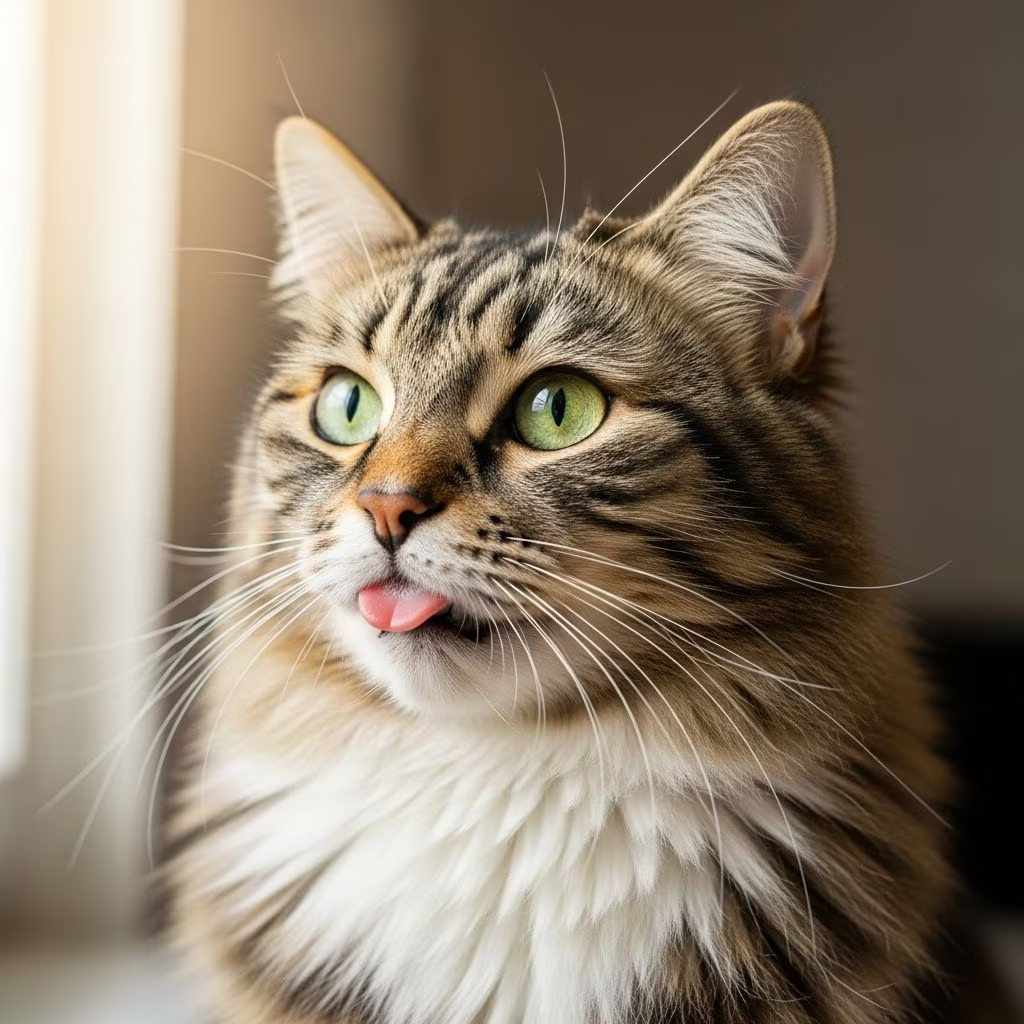
The sight of a cat with its tongue slightly protruding, often called a “blep,” captivates pet owners worldwide. This endearing expression ranges from a tiny pink tip peeking out to a full tongue hang, sparking curiosity about what prompts such behavior in felines. While frequently harmless and linked to natural instincts, persistent blepping warrants attention to rule out health problems. This article delves into the science, behaviors, and potential concerns behind this quirky trait, drawing from veterinary observations to help you interpret your cat’s signals.
The Science of the Cat Tongue and Blep
Cat tongues are marvels of evolution, covered in tiny, backward-facing spines called papillae that aid in grooming and rasping meat from bones. These structures make the tongue rigid, so when it relaxes or gets caught mid-motion, it easily slips out. Brachycephalic breeds like Persians, with shorter snouts, experience this more due to limited oral space. Understanding tongue anatomy clarifies why bleps occur: muscle relaxation or obstruction allows the organ to protrude naturally.
- Papillae function: Assist in self-cleaning and eating, but can snag food particles.
- Muscle control: Jaw laxity during rest leads to unintentional exposure.
- Breed predisposition: Flat-faced cats have higher blep frequency.
Normal Reasons Cats Blep
Most bleps stem from benign, everyday activities. Recognizing these helps distinguish fun quirks from issues.
1. Relaxation and Sleep
When cats doze, their jaw muscles slacken, allowing the tongue to loll out. This is common in deep sleep or post-nap stupor, especially in toothless seniors or those with dental gaps where the tongue fits loosely. Owners often snap photos of these peaceful moments, as the cat remains oblivious.
2. Mid-Grooming Distraction
Cats are grooming obsessives, licking fur meticulously. A sudden noise, toy, or wandering thought can interrupt, leaving the tongue extended. It’s like forgetting to zip up—pure feline absentmindedness that resolves quickly.
3. Savoring New Tastes
Introducing novel food or treats prompts investigation. Cats sample cautiously, tongue out to assess flavor and texture before committing. This fades as they acclimate, signaling dietary adjustment rather than distress.
Scent Detection: The Flehmen Response
One of the most fascinating blep triggers is the flehmen response, where cats “taste” the air. Unlike simple sniffing, felines draw scents into their mouth via a slightly open jaw and extended tongue. Pheromones travel to the vomeronasal organ (Jacobson’s organ) on the palate, decoding social cues from other cats, urine markings, or intriguing odors like laundry.
This behavior, seen across mammals, aids territory mapping and mate assessment. You’ll notice curled lips and a vacant stare—classic flehmen pose. It’s vital for communication in multi-cat homes or outdoor roamers.
| Stimulus | Blep Duration | Common Context |
|---|---|---|
| Cat urine or feces | 10-30 seconds | Territorial check |
| Human scents (perfume, socks) | Brief | Curiosity |
| Other pets | Extended | Social evaluation |
When Blep Signals Health Concerns
Not all bleps are cute. Frequent or accompanied by symptoms, they may indicate oral pain, systemic illness, or emergencies. Monitor for changes in pattern or additional signs.
4. Dental and Oral Problems
Tooth decay, gingivitis, or feline stomatitis cause mouth inflammation, making closure painful. Affected cats drool, paw at jaws, refuse kibble, and exhibit halitosis. Missing teeth exacerbate protrusion. Symptoms include:
- Bleeding gums
- Weight loss
- Selective eating
- Excessive pawing
5. Nausea and Motion Sickness
Car rides induce queasiness, relaxing the mouth and extending the tongue amid salivation. Medical nausea from kidney disease, pancreatitis, or infections mimics this, often with vomiting or lethargy. Persistent cases need vet evaluation.
6. Respiratory Distress
Conditions like asthma or infections force open-mouth breathing, tongue out for air. Watch for wheezing, nasal discharge, or rapid panting—emergencies requiring immediate care.
7. Toxicity or Irritants
Ingesting poisons (lilies, cleaners) or bee stings irritates the mouth, prompting retching and blepping to expel residue. Pair with vomiting, ataxia, or seizures for urgent intervention.
8. Medication Side Effects
Sedatives, anti-anxiety drugs, or flea treatments increase saliva, loosening tongue control. Consult vets if new meds coincide with onset.
Breed and Age Factors in Blepping
Certain profiles blep more. Seniors lose teeth, easing protrusion. Brachycephalic cats contend with anatomy. Kittens experiment playfully, while stressed adults suppress it. Track your cat’s baseline for anomalies.
How to Respond to Your Cat’s Blep
Observe Context: Isolated during sleep? Harmless. With drooling or appetite loss? Vet time.
- Document frequency, duration, and companions symptoms.
- Inspect mouth gently for redness or debris.
- Schedule dental checkups biannually.
- Use pet cams for patterns.
Prevent issues with dental treats, routine exams, and toxin-proof homes.
FAQs About Cat Blepping
Is blepping always a problem?
No, it’s often normal, tied to relaxation or scents. Worry if chronic with symptoms.
Why do some cats blep more?
Breeds with short faces, tooth loss, or active explorers show it frequently.
Can stress cause blepping?
Indirectly, via nausea or meds, but not typically a direct sign.
When to see a vet for blep?
Immediately for breathing issues, toxicity signs, or pain indicators.
Does blepping mean happiness?
It can signal contentment during rest, but context matters.
Conclusion: Embrace the Blep with Awareness
Blepping embodies cats’ enigmatic charm, blending instinct, physiology, and occasional alerts. By understanding triggers—from flehmen’s chemical detective work to health red flags—you foster better care. Celebrate the whimsy, but stay vigilant for your feline’s well-being. Regular vet visits ensure bleps remain joyful snapshots, not symptom harbingers. (Word count: 1678)
References
- Why Do Cats Blep? 11 Vet-Verified Reasons for This Behavior — Catster. 2023. https://www.catster.com/cat-behavior/reasons-why-cats-blep/
- Why Do Cats “Blep”? A Veterinarian Explains — Cats.com. 2023. https://cats.com/why-do-cats-blep
- Why Do Cats ‘Blep’? — Mental Floss. 2018-10-01. https://www.mentalfloss.com/article/539814/why-do-cats-blep
- Blepping In Cats: Guide for Cat Owners [2025] — Valley Animal Hospital. 2025. https://thevalleyanimalhospital.com/blepping-in-cats/
- Blepping in Cats Explained — West Greenwich Animal Hospital. 2025. https://westgreenwichanimalhospital.com/blepping-in-cats/
- Why is Your Pet Blepping and Should You Be Concerned? — Kinship. 2023. https://www.kinship.com/uk/pet-behaviour/what-is-blepping



