

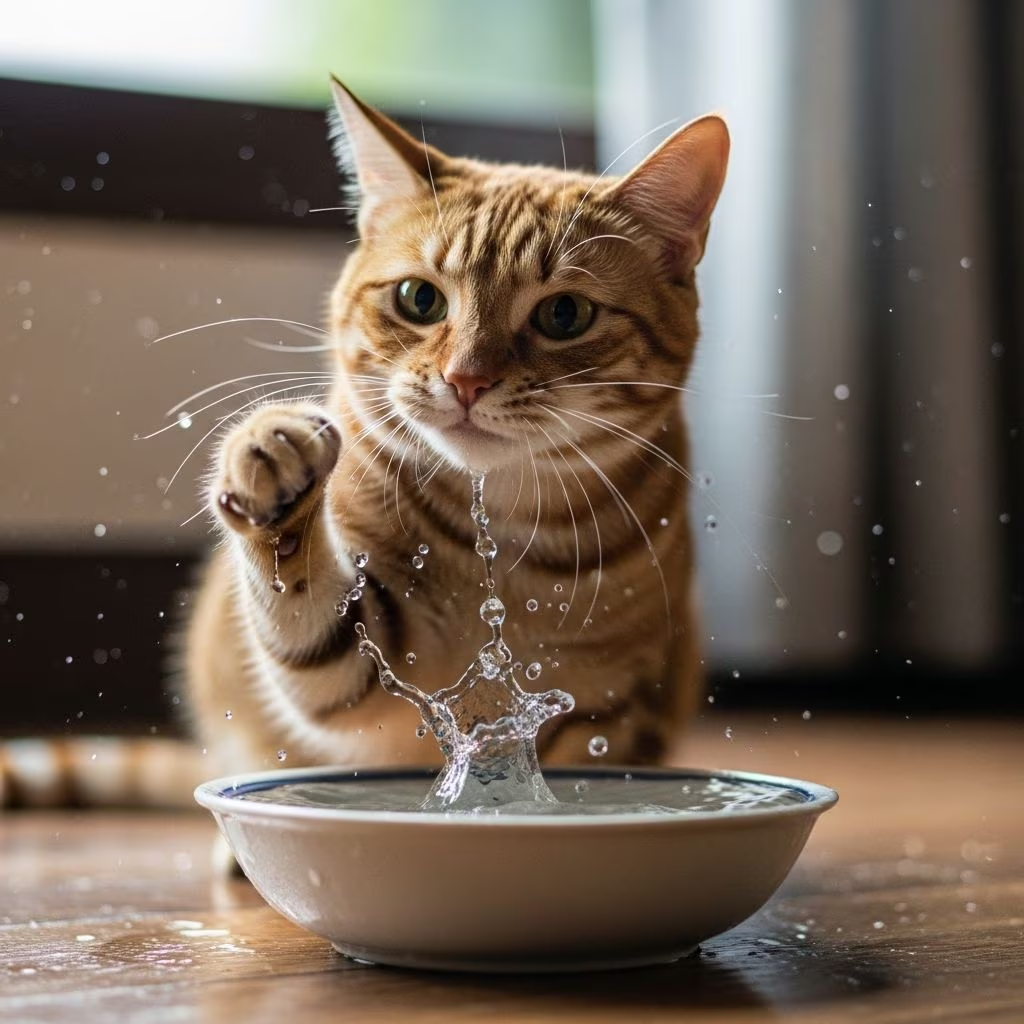
Your cat dipping a paw into the water bowl and sending droplets flying across the kitchen floor is a sight many pet owners recognize all too well. This quirky behavior, while messy, often stems from natural feline instincts rather than mischief alone. Understanding the motivations can help you address the issue effectively, reducing cleanup time and ensuring your pet stays hydrated.
Instinctual Drives Behind Water Play
Cats descend from wild ancestors who preferred sources of flowing water over stagnant pools, which could harbor bacteria. In modern homes, a still bowl mimics that risky standing water, prompting cats to agitate it with their paws to simulate movement and deem it safer for drinking.1 This pawing action freshens the water in their minds, making it more appealing before they lap it up.
Besides safety checks, some cats treat the bowl as a hunting ground. The rippling surface mimics prey in water, triggering their predatory instincts to swat and splash. Kittens especially exhibit this, honing their coordination through such play.2
How Bowl Design Influences Splashing
The shape and material of your cat’s water bowl play a significant role. Narrow or deep bowls press against sensitive whiskers, causing whisker fatigue—a discomfort where prolonged contact irritates these specialized hairs used for navigation. Cats avoid this by pawing water onto the floor or rim, where they can drink without strain.2
Reflective stainless steel bowls exacerbate the problem. The shiny surface and light-refracting water create visual stimulation, turning the bowl into an irresistible toy. Plastic bowls may retain odors or harbor scratches that collect grime, further discouraging direct drinking.1
| Bowl Type | Pros | Cons for Splashing Cats |
|---|---|---|
| Wide Ceramic | Stable, whisker-friendly, easy to clean | Heavy, can break if tipped |
| Stainless Steel | Durable, hygienic | Reflective, encourages play |
| Glass | Non-porous, clear for monitoring | Fragile, slippery when wet |
| Plastic | Lightweight, inexpensive | Retains smells, scratches easily |
Playfulness and Boredom as Key Factors
For many cats, splashing is pure entertainment. Younger cats and certain breeds like Bengals or Maine Coons, known for higher energy levels, view the water as a dynamic plaything. The sound of splashing, the feel of wet paws, and watching droplets scatter provide mental stimulation akin to batting a toy mouse.1
- Kittens explore with paws first, learning textures and cause-effect.
- Adult cats bored from lack of toys or interaction resort to household items like bowls.
- Solitary cats without companions may amplify this for self-entertainment.
To combat boredom, introduce puzzle feeders, wand toys, or vertical scratching posts. Schedule 15-20 minutes of daily interactive play to tire them out mentally and physically, redirecting energy from the water bowl.3
Environmental and Social Triggers
Household dynamics influence behavior too. In multi-cat homes, a cat might splash to claim territory or avoid turning its back while drinking, pulling water out to monitor surroundings.2 Proximity of food and water bowls irks some felines, echoing wild habits of separating kills from hydration sources to prevent contamination.
Stress amplifies splashing. Changes like new pets, rearranged furniture, or loud noises can make cats knock bowls over for attention or to relocate water away from perceived threats. Observe for signs like hiding, excessive meowing, or altered litter habits.1
Potential Health Concerns to Rule Out
Though uncommon, excessive splashing warrants a vet check. Conditions like diabetes or kidney disease increase thirst (polydipsia), leading to frantic pawing and drinking from unconventional spots like sinks or toilets. Accompanying symptoms include weight loss, frequent urination, or lethargy.1
Age-related cognitive decline in seniors might manifest as repetitive splashing. Dental pain could also make lapping uncomfortable, prompting paw use. A professional exam ensures no underlying issues, especially if the behavior starts suddenly.3
Practical Solutions to Minimize Messes
Addressing splashing starts with equipment upgrades:
- Switch to wide, shallow bowls: Allows whisker comfort and easier access without tipping.
- Invest in a pet water fountain: Circulating water satisfies the running-water preference, often reducing pawing dramatically. Filtered models keep water fresh and palatable.2
- Use spill-proof designs: Weighted bases or lidded dispensers prevent knockdowns.
Place bowls in quiet, elevated spots away from food and litter boxes. Silicone mats underneath catch drips. For persistent players, cover the bowl during unsupervised times or use a larger tray system.
Training techniques include positive reinforcement: Reward calm drinking with treats or praise, ignoring splashing episodes to avoid reinforcing attention-seeking.
Enhancing Hydration for Long-Term Health
Cats are prone to dehydration due to low thirst drives compared to other pets. Splashing signals potential under-hydration, risking urinary issues like crystals or blockages. Aim for fresh water changes twice daily, room temperature preferred over cold.
Incorporate wet food into meals, as it provides 70-80% moisture. Flavor still water with tuna juice (sparingly) to entice reluctant drinkers. Track intake: An average 10-lb cat needs about 8-10 oz daily, adjusting for diet and weather.2
Breed-Specific Tendencies and Variations
Not all cats splash equally. Water-loving breeds like the Turkish Van or Sphynx may engage more due to affinity for moisture. Conversely, finicky Persians might avoid deep bowls altogether. Observe your cat’s unique patterns to tailor solutions.
Frequently Asked Questions
Is splashing a sign my cat hates its bowl?
Not necessarily—it’s often about access or preference for motion. Try a fountain to test.
Will a water fountain stop the behavior entirely?
Many cats adapt quickly, but combine with play enrichment for best results.2
When should I worry about health issues?
If paired with other symptoms like increased thirst or appetite changes, consult a vet promptly.1
Can I train my cat to stop splashing?
Yes, through consistency and redirection. Patience is key with instinctive behaviors.
Are there mats that fully prevent floor messes?
Absorbent, walled mats capture most splashes effectively.
Embracing your cat’s water antics as part of their charm while implementing fixes leads to drier floors and happier pets. Most cases resolve with simple changes, letting you enjoy the playful spirit without the puddle patrol.
References
- Cat Splashes Water Out of the Bowl: 5 Vet-Verified Reasons & How… — Catster. 2023-10-15. https://www.catster.com/cat-behavior/cat-splashes-water-out-of-bowl/
- Why Does My Cat Play in the Food and Water Bowls? — SoftPaws.com. 2022-05-20. https://www.softpaws.com/why-does-my-cat-play-in-the-food-and-water-bowls/
- Why Does My Cat Spill His Water Everywhere Before Drinking? — Scary Mommy. 2023-08-12. https://www.scarymommy.com/lifestyle/why-do-cats-paw-at-water-splash-before-drinking



