

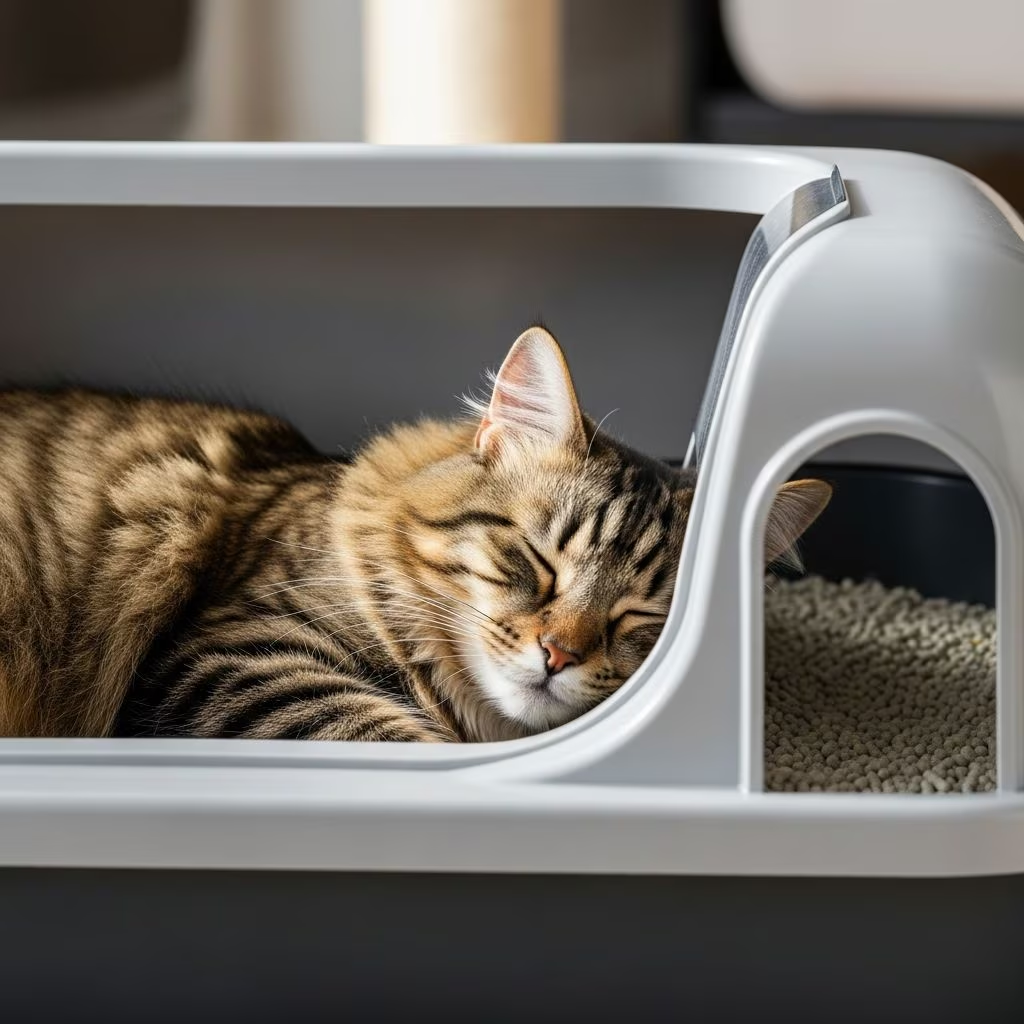
Cats sleeping in their litter boxes is a behavior that alarms many pet owners, as it deviates from typical resting patterns. This conduct can stem from urgent medical conditions, emotional distress, or environmental factors, prompting cats to seek the enclosed, familiar space of the litter area as a refuge. Recognizing the root cause is essential for ensuring your cat’s health and comfort.
Health-Related Causes: When the Body Signals Distress
Medical issues frequently drive cats to linger in litter boxes, as proximity to elimination sites provides quick access amid discomfort. Veterinary experts emphasize ruling out illnesses first, given the potential severity of symptoms accompanying this habit.
Urinary Tract Disorders
**Urinary tract infections (UTIs)** and crystal formations top the list of concerns, especially in male cats prone to blockages. Affected cats experience painful urination, leading to frequent box visits and lingering for relief. Key indicators include straining, blood-tinged urine, and excessive genital licking.
- Frequent, unproductive trips to the box
- Crying or visible pain during elimination
- Lethargy paired with reduced eating
These conditions demand immediate veterinary intervention to prevent life-threatening complications like kidney damage.
Gastrointestinal Challenges
Digestive woes such as constipation, diarrhea, or inflammatory bowel disease (IBD) can confine cats to litter areas. Parasites or dietary intolerances exacerbate abdominal pain, making movement undesirable. Watch for vomiting, hard stools, or irregular bowel patterns as accompanying signs.
Mobility Limitations in Senior Cats
Aging felines with arthritis or muscle weakness may avoid traversing the home, opting for the nearest rest spot. Cognitive decline, akin to dementia, further disorients them, drawing them to the scent-marked litter box as a familiar anchor.
Behavioral and Emotional Triggers
Beyond physical ailments, psychological factors compel cats to treat litter boxes as safe havens. Cats’ innate need for security manifests in enclosed spaces during uncertainty.
Stress from Environmental Shifts
Household upheavals—like new pets, visitors, moves, or renovations—heighten anxiety, pushing cats toward private retreats. The litter box’s strong odor and seclusion mimic natural hiding spots, offering reassurance.
Territorial Claims in Multi-Cat Homes
In shared living spaces, dominant or insecure cats guard litter boxes to assert control or secure access. Signs include spraying, aggression, or hypervigilance. This behavior ensures resource availability amid competition.
Pregnancy Instincts
Unspayed females nearing delivery scout for nesting sites, often selecting the soft, contained litter box. Provide a dedicated birthing area nearby with food, water, and a separate litter setup to redirect her.
Environmental and Comfort Factors
Inadequate living arrangements can inadvertently encourage litter box use. Cats thrive with tailored spaces that fulfill climbing, hiding, and observing instincts.
| Issue | Solution | Benefits |
|---|---|---|
| Lack of resting options | Multiple beds, perches, cat trees | Reduces competition, satisfies instincts |
| Insufficient privacy | Hideaways, elevated shelves | Promotes security without isolation |
| Unappealing litter setup | Extra boxes (n+1 rule) | Minimizes stress, improves hygiene |
Step-by-Step Diagnosis and Action Plan
Addressing the issue systematically prevents escalation. Start with observation, then escalate as needed.
- Monitor Symptoms: Track eating, activity, elimination frequency, and additional signs like straining or blood.
- Vet Consultation: Schedule an exam for urinalysis, bloodwork, or imaging to detect UTIs, blockages, or GI problems.
- Environmental Audit: Assess litter box count, cleanliness, and home layout for stressors.
- Implement Changes: Introduce alternatives gradually without forcing relocation.
Practical Solutions to Discourage the Habit
Enhance Sleeping Alternatives
Stock your home with diverse, inviting rest zones. Experiment with heated beds, window seats, and enclosed caves in quiet, elevated spots. Proximity to the litter box with a superior option often lures cats away naturally.
- Warm, cushioned platforms for chilly days
- Vertical towers for territorial oversight
- Textured fabrics matching preferences
Gentle Deterrence Methods
Make the litter box uninviting for naps without hindering use. Subtle air circulation from a low fan or motion-activated scents can suffice, always prioritizing cat comfort.
Litter Box Optimization
Follow the guideline of one more box than cats, placed in low-traffic areas. Scoop daily, use unscented litter, and ensure spacious designs for comfort.
Preventive Measures for Long-Term Wellness
Proactive care minimizes recurrence. Regular vet checkups, balanced diets, and stable routines fortify resilience against triggers.
- Spay/neuter to curb pregnancy and roaming
- Stress-reduction toys and pheromone diffusers
- Senior wellness plans for aging cats
Frequently Asked Questions (FAQs)
Is it always a medical emergency if my cat sleeps in the litter box?
Not necessarily, but treat it urgently until proven otherwise. Health issues like UTIs pose risks, so vet evaluation is crucial.
How many litter boxes do I need for multiple cats?
Adopt the n+1 rule: for two cats, provide three boxes in separate locations to reduce conflict.
Can stress alone cause this without illness?
Yes, anxiety from changes often leads to refuge-seeking, resolvable with environmental tweaks.
What if my pregnant cat insists on the litter box?
Prepare a nearby nesting box lined with soft materials, keeping essentials accessible but separate.
When should I worry about senior cats doing this?
Always, as it may indicate arthritis, cognitive issues, or weakness requiring tailored support.
Expert Insights on Feline Well-Being
Veterinarians stress holistic approaches, combining medical checks with behavioral modifications. Early intervention restores normalcy, enhancing cat-human bonds.
References
- Litter Box Problems — ASPCA. 2023. https://www.aspca.org/pet-care/cat-care/common-cat-behavior-issues/litter-box-problems
- Why Is My Cat Sleeping in the Litter Box? — Litter-Robot. 2024-01-15. https://www.litter-robot.com/blog/why-is-my-cat-sleeping-in-the-litter-box/
- Why Is My Cat Sleeping in the Litter Box? — Purina US. 2023-05-10. https://www.purina.com/articles/cat/behavior/litter/cat-sleeping-in-litter-box
- Why Is My Cat Sleeping in the Litter Box? (Causes & Fixes) — Meowant. 2024-03-22. https://meowant.com/blogs/posts/cat-sleeping-litter-box
- Why Is My Cat Sleeping in the Litter Box? — Purina CA. 2023. https://www.purina.ca/articles/cat/behaviour/why-my-cat-sleeping-litter-box



