

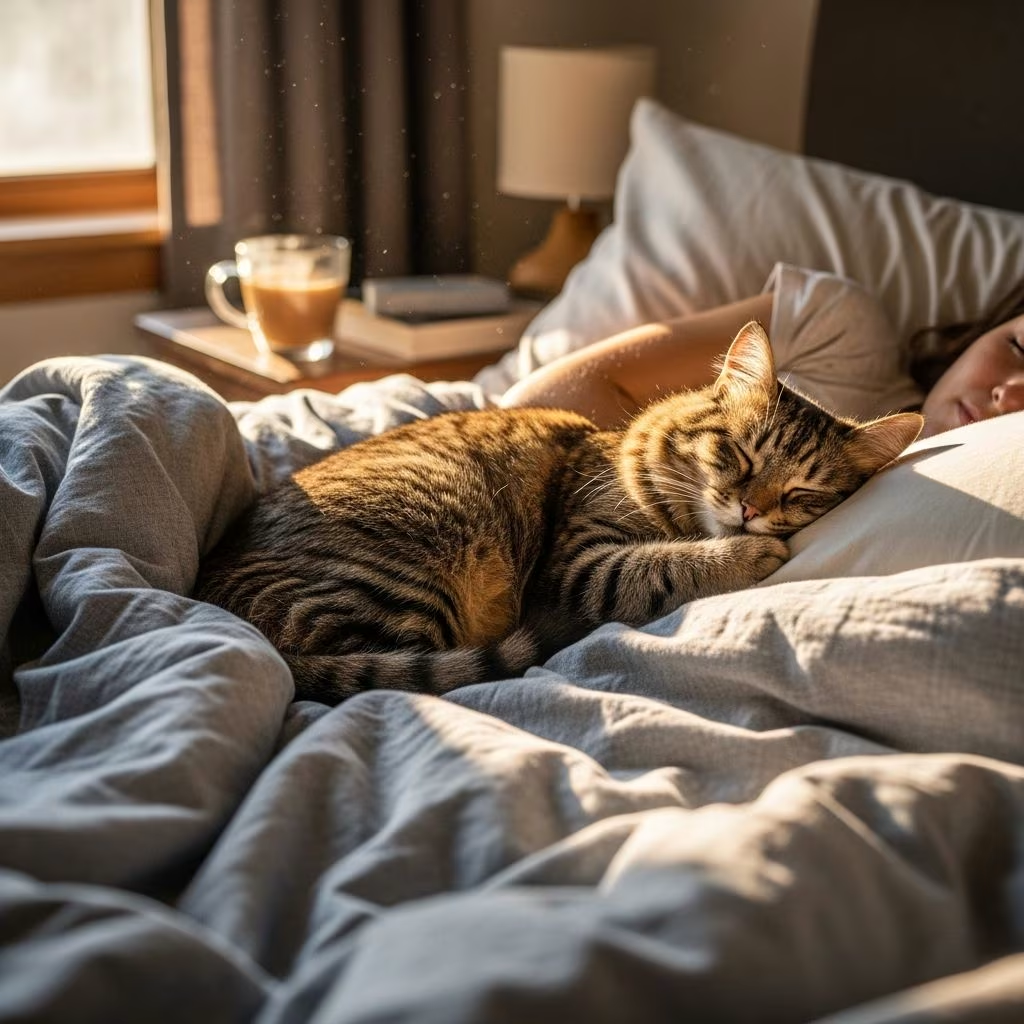
Why Do Cats Like to Sleep in Bed With You?
If you’ve ever woken up to find your cat curled up at the foot of your bed, stretched across your pillow, or nestled against your chest, you’re experiencing one of the most endearing aspects of cat ownership. While cats often get a reputation for being aloof and independent creatures, the reality is far more nuanced. When your feline friend chooses to share your sleeping space, they’re communicating something meaningful about trust, comfort, and their relationship with you. Understanding why cats love sleeping in bed with their owners can deepen your appreciation for these subtle displays of affection and help you better care for your beloved pet.
The Primary Reasons Cats Choose to Sleep in Bed With You
Seeking Warmth and Temperature Control
One of the most straightforward reasons your cat loves your bed is the warmth it provides. Cats have a higher average body temperature of approximately 102 degrees Fahrenheit, which is 3-4 degrees warmer than human body temperature. Because of this physiological difference, cats are constantly seeking out warm environments, especially during sleep when maintaining their body temperature becomes more challenging. You’ve probably noticed your cat gravitating toward sunny windowsills, freshly dried laundry, or warm spots near heating vents—this is entirely natural feline behavior.
Your bed, combined with your body heat, creates an ideal warm environment for your cat. When your feline friend curls up against your hands, feet, or head, they’re strategically positioning themselves to maximize the warmth they receive from you. Your head is particularly attractive to cats because it’s where most of your body heat escapes, making it an exceptionally cozy sleeping spot. For cats in cooler climates or during winter months, sleeping with you becomes an energy-efficient way to maintain their optimal body temperature without expending additional calories.
Creating a Sense of Security and Safety
While modern domestic cats are far removed from their wild ancestors, they retain many of the survival instincts that kept their species alive in nature. In the wild, cats and their ancestors would huddle together at night for protection from predators. There was safety in numbers—if one animal detected danger, it could alert the others, giving the group a better chance of survival.
Today’s indoor cats still possess these instinctive needs for security while sleeping, which is a vulnerable time. By choosing to sleep near you, your cat is instinctively seeking protection and reassurance. Your presence serves as a source of comfort, much like how a kitten relies on its mother for security. When your cat curls up in bed with you, they’re essentially saying they trust you to keep them safe and to alert them to any potential threats. This behavior demonstrates that your cat views you not just as a roommate, but as a protective figure they can depend on.
Expressing Friendship and Deep Emotional Bonding
Despite the common stereotype of cats being cold and aloof, scientific research has revealed that cat-human relationships are surprisingly similar to human-human relationships. A 2011 study demonstrated that cats form deep emotional bonds with their human guardians, viewing them as sources of comfort and security—paralleling how kittens relate to their mothers. While your cat may occasionally hide from you or resist your affection on their own terms, this doesn’t mean they don’t love you. Cats are social creatures who simply prefer to control when and how they interact with others.
When your cat deliberately chooses to sleep in bed with you, they’re communicating affection and companionship. This behavior goes beyond seeking warmth or security; it’s an active choice to spend vulnerable sleeping hours in close proximity to you. Your cat is saying that among all the places they could sleep, they prefer to be near you. This is a significant indicator of trust and emotional attachment that shouldn’t be taken lightly.
Understanding Your Cat’s Specific Sleeping Positions
Why Your Cat Sleeps on Top of You
If your cat prefers to sleep directly on your chest, feet, or head, there are several reasons for this particularly close positioning. While your cat is certainly taking advantage of your body heat to maintain their optimal temperature, there’s more to the story. Cats find the rhythmic sound of your breathing and heartbeat incredibly soothing. Just as your cat’s purring can calm you at night, your cat probably finds comfort in listening to your steady breathing as they drift off to sleep. Additionally, cats who sleep directly on their owners often display the highest levels of social attachment, indicating a securely bonded cat-human relationship.
The Significance of Head-Sleeping Behavior
Cats who prefer to sleep near your head or on your pillow are drawn to the strongest concentration of your scent. Cats possess a sense of smell approximately 14 times stronger than humans, making scent one of the primary factors influencing their behavior and sense of security. Your pillow carries your unique scent more than any other part of your bed, and this familiar smell provides comfort and reassurance to your cat. Head-sleeping cats typically have a particularly strong bond with their owners and use your scent as an anchor for feeling safe and connected.
Foot-of-the-Bed Sleepers
Many cats prefer to sleep at the foot of the bed rather than directly against their owners. This positioning allows cats to enjoy your presence while maintaining their independence and freedom of movement. Research has found that felines often select sleeping spots that provide both security and an easy escape route, allowing them to feel close to their human while retaining the ability to move freely if needed. Cats at the foot of the bed might also be positioning themselves to monitor the door or window, maintaining their protective instinct to alert you to any disturbances.
The Benefits of Sharing a Bed With Your Cat
Stress Relief and Emotional Comfort
The benefits of co-sleeping with your cat extend beyond your feline friend’s well-being to your own health and emotional state. Having a furry companion in bed with you can help many people feel calm and more comfortable at night. Some individuals find that sleeping with a cat can soothe night terrors or help them recover emotionally from difficult days. Petting a sleeping cat has been scientifically shown to lower blood pressure, reduce anxiety, and ease symptoms of depression and stress.
Improved Relaxation and Sleep Quality
If you struggle with falling asleep or staying asleep, your cat might actually be helping you more than you realize. Listening to your cat’s rhythmic breathing can be even more effective than using a white noise machine or fan for promoting relaxation. The gentle, predictable sound of your cat’s breathing can help you slow down your own breathing and heartbeat, making it easier to transition into a deeper sleep state. Additionally, the physical warmth and weight of your cat can have a grounding effect that promotes relaxation.
Strengthening Your Bond and Trust
Sharing a bed with your cat strengthens the emotional bond between you. Cats who sleep with their owners develop closer relationships and experience increased trust and safety with their humans. This comfortable, intimate time together helps establish and reinforce your connection. Beyond the practical benefits, there’s also the undeniable cuteness factor—there’s something special about waking up with your cat purring contentedly beside you.
Is It Normal for Cats to Sleep With Their Owners?
Yes, it’s completely normal for cats to sleep with their owners. Research indicates that approximately 62% of cats sleep with their adult owners, demonstrating a widespread and natural preference for co-sleeping. This behavior is rooted in both evolutionary instinct and individual personality. Cats’ wild ancestors, such as African wildcats, sought out enclosed, warm, and elevated places to sleep to avoid predators and harsh environmental conditions. Your domestic cat retains these survival instincts, which is why they instinctively gravitate toward soft beds, blankets, and human laps.
The fact that your cat chooses to sleep in your bed is actually a sign that they feel safe in your home and that they trust you as their human. Rather than being abnormal behavior, it’s a positive indicator of a healthy cat-human relationship.
Special Considerations and Questions About Cat Co-Sleeping
Do Cats Think They Are Protecting You?
This is a fascinating question that many cat owners wonder about. While cats do sleep with their owners primarily because it makes them feel safer, many cats also feel protective of their humans. If your cat settles at the foot of your bed specifically, they may have positioned themselves as a guardian. This sleeping spot allows them to alert you to any dangers and guard against approaching threats, much like their wild ancestors would have done for their family group. It’s reassuring to know that while your cat is receiving protection and comfort from you, they also feel invested in your safety and well-being.
Creating the Best Sleeping Environment for You and Your Cat
If you enjoy having your cat sleep in bed with you, there are several ways to create a comfortable environment for both of you:
- Keep your bedroom at a comfortable temperature—remember that your cat prefers warmth but shouldn’t overheat
- Wash your bedding regularly to maintain cleanliness while preserving your scent that comforts your cat
- Provide your cat with their own designated sleeping area on the bed if space is a concern
- Establish a consistent bedtime routine that signals to your cat it’s time for sleep
- Be mindful of your cat’s comfort, adjusting positions gently if needed during the night
Frequently Asked Questions About Cats Sleeping in Bed With You
Q: Is it safe to sleep with my cat?
A: For most people, sleeping with a healthy cat is perfectly safe. However, if you have allergies, compromised immune system, or respiratory issues, consult your veterinarian. Ensure your cat is up-to-date on vaccinations and parasite prevention.
Q: What does it mean if my cat suddenly stops sleeping with me?
A: A sudden change in sleeping habits could indicate stress, illness, or discomfort. If your cat abruptly stops sleeping in bed with you, consider environmental changes, potential health issues, or changes in your routine. Consult your vet if this change persists.
Q: Why does my cat sleep with me but not my partner?
A: Cats are selective about their sleeping companions based on scent familiarity, comfort level, and personal preference. Your cat may have formed a stronger bond with you, feel more comfortable with your sleeping style, or prefer your scent and body temperature.
Q: Does my cat’s purring while sleeping mean they’re happy?
A: Yes, purring is a positive sign of your cat’s contentment and trust. When your cat purrs and sleeps on you, they’re expressing happiness, relaxation, and comfort in your presence.
Q: Can a kitten sleep in bed with me?
A: Kittens can sleep in bed with you, but take precautions to prevent accidental crushing. Many people prefer waiting until kittens are older before allowing bed-sharing, then establishing this as a habit once they’re more durable.
Conclusion
When your cat chooses to sleep in bed with you, they’re communicating trust, affection, and a desire for security and comfort. This behavior is entirely normal and rooted in both evolutionary instinct and genuine emotional bonding. Your cat sees you as a trusted companion, a source of warmth, and a protector. By understanding the reasons behind this behavior, you can better appreciate these quiet moments of companionship and perhaps enjoy the mutual benefits that come from sharing sleep space with your feline friend. Whether your cat curls up at your feet, nestles against your chest, or claims your pillow as their own, know that this is a meaningful expression of their love and trust in you.
References
- Why Do Cats Like to Sleep in Bed with Their Owners — Your Cat Backpack. 2024. https://yourcatbackpack.com/blogs/tips/why-cats-like-sleeping-with-owners
- Where Your Cat Sleeps on Your Bed and What It Means — The Cattopia. 2024. https://www.thecattopia.com/blog/where-your-cat-sleeps-on-your-bed-and-what-it-means/
- Why does my cat sleep on me? — Cats Protection. 2024. https://www.cats.org.uk/cats-blog/why-does-my-cat-sleep-on-me
- How Cats Choose Who to Sleep With — Union Lake Pet Services. 2024. https://unionlakepetservices.com/blog/how-cats-choose-who-to-sleep-with
- Why Does My Cat Sleep on Me — NexGard SPECTRA. 2024. https://nexgard.com.au/pet-care/cat-care/why-cats-sleep-on-me
- Why Do Cats Like To Sleep With Us? — YouTube. 2024. https://www.youtube.com/watch?v=kLgsieZVFaY
- Should You Let Your Cat Sleep in Bed with You? — Healthline. 2024. https://www.healthline.com/health-news/should-you-let-your-cat-sleep-in-bed-with-you



