

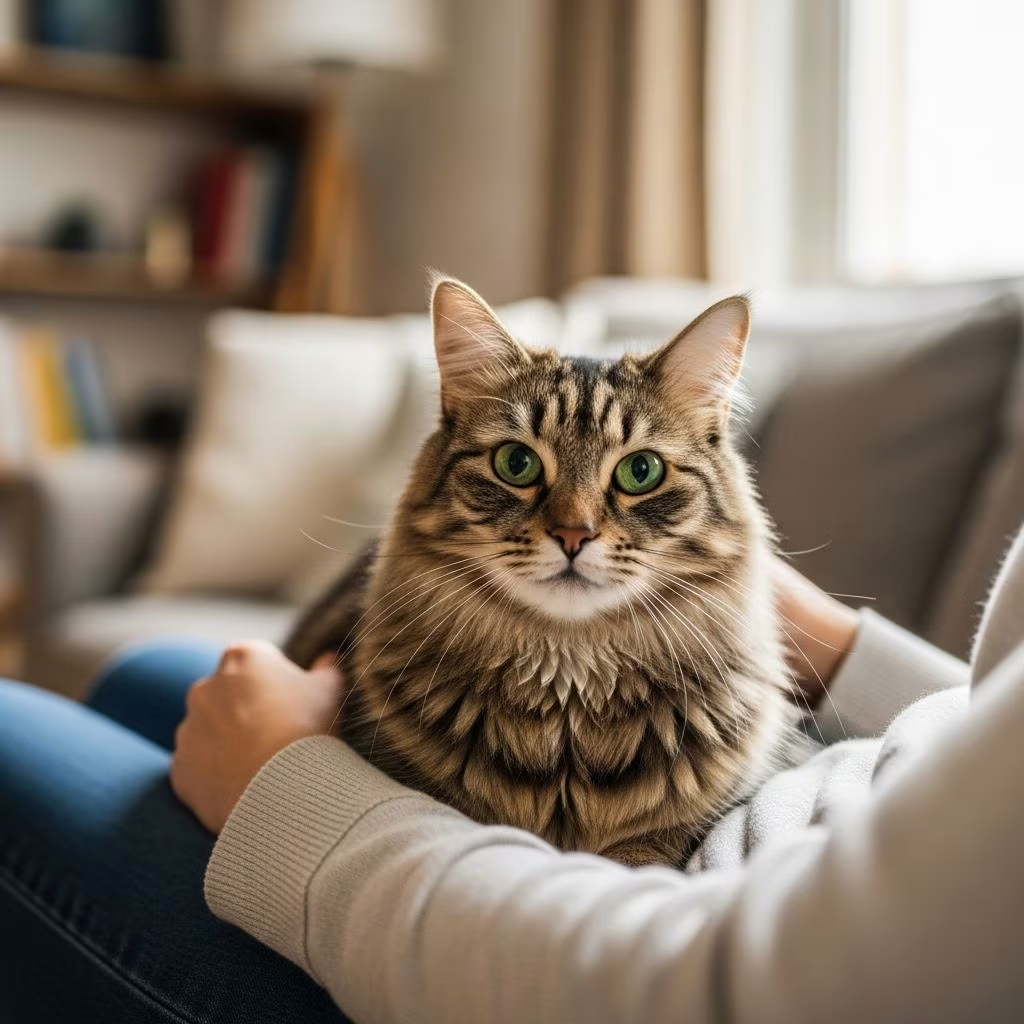
Why Do Cats Sit On You? 6 Vet-Reviewed Reasons
If you’ve ever wondered why your beloved feline companion insists on perching on your lap every chance they get, you’re not alone. This common behavior puzzles many cat owners, especially those familiar with the stereotype of aloof and independent cats. The truth is that when your cat sits on you, they’re communicating something important about their feelings toward you and their needs. Understanding these reasons can deepen your appreciation for your furry friend and strengthen the bond you share. Let’s explore the six primary reasons why cats choose to sit on their owners.
1. Affection and Bonding
Perhaps the most common reason cats sit on your lap every chance they get is because they want to give and receive affection. Though cats have earned a reputation for being aloof and uncaring, most cat owners know this couldn’t be further from the truth for many felines. Your cat wants to get up close and personal with you to show that they love and appreciate you. This behavior demonstrates their desire to connect with you emotionally.
When cats sit on your lap, they’re engaging in social interaction that strengthens your relationship. Studies have shown that cats who sit near their owners have a stronger bond with them. This is because the act of sitting near someone creates a sense of closeness and intimacy. Additionally, when you pet and stroke a cat while they sit near you, it releases oxytocin, a hormone that promotes bonding and relaxation in both you and your feline friend. This mutual release of bonding hormones reinforces the positive relationship between cat and owner.
2. Seeking Warmth and Comfort
Cats are well-known for their love of warmth and comfort. For some cats, crawling into your lap is similar to how humans enjoy cozying up inside a warm blanket on a relaxing afternoon. Your cat might be seeking your lap not just for affection but specifically for the warmth your body provides. The body temperature of a human is naturally warm, and cats, with their inherent love for heat, often seek out this warmth from their owners.
Certain cats are more prone to seeking warmth than others. Kittens, cats that are unwell, cats with sparse or no hair (such as hairless Sphynx cats), and cats that are underweight may struggle to thermoregulate effectively and as such may seek you out more frequently for warmth. If you notice your cat gravitating toward your lap more during colder months or when they’re not feeling well, warmth-seeking is likely the primary motivation.
3. Safety and Security
Though you know your cat is safe in the comfort of your home, they don’t always share this understanding. Your kitties may be choosing to sit on your lap simply because it provides them with a place where they can finally feel safe and secure. Cats instinctively prefer resting places where they’ll feel secure and protected from potential predators, and there is no better place to be protected than on the lap of their loving owner.
Cats are naturally cautious creatures with survival instincts that remain sharp even in domestic environments. In a world where cats have to be cautious of potential threats, sitting on a trusted human provides a sense of security and reduces stress. Your lap becomes a refuge where your cat can relax knowing you’re there to protect them. Cats usually like to be ready to run at a moment’s notice, even when they’re snoozing, so they can escape from any danger. Sitting on your lap allows them to maintain this vigilance while still feeling protected by your presence.
4. Territorial Marking and Possession
Cats rely quite a bit on their sense of smell as a way to communicate with the world around them. You’ve likely seen your kitty rubbing their face on objects around your home and have probably even been the recipient of a face rub now and then. This activity deposits your pet’s scent and marks the object (or person) as “theirs”. When your cat sits on you, they could be marking you as their property and claiming ownership of you.
Your cat’s sense of smell is incredibly important to them, and they use it to navigate and understand their environment. Cats are territorial creatures who choose to sit on people whose scent they recognize and trust. A good smell is also a major factor in their decision to sit on you. If you are not present in the house, your kitty will often find a piece of cloth with your scent on it and sit on that piece, demonstrating how important your unique scent is to their sense of security and belonging.
5. Positive Reinforcement and Companionship
Some cats are seeking positive reinforcement through petting and treats, enjoying the companionship and affection they receive from their owners. If you’ve rewarded your cat with pets, treats, or attention when they sit on your lap in the past, they’ve learned that this behavior results in positive outcomes. Cats are creatures of habit, and they often sit on their owner’s lap as part of their daily routine, whether it’s during their nap time or while you’re relaxing.
This consistent routine helps them feel more secure and less vulnerable. Your cat may also sit on you because they have noticed that you provide a comfortable and familiar spot for various activities—whether it’s for feeding, playing, or just enjoying the sound of your voice. Cats find many different ways to show their affection and bond with their owners, and sitting on your lap is one of their favorite methods of interaction.
6. Reading Your Emotions
Cats are known for their ability to read human emotions and body language. This behavior is known as social referencing, and it allows cats to understand their owners’ moods and respond accordingly. By sitting near their owners, cats are not only seeking comfort but also trying to understand their owners’ emotional state. This demonstrates just how tuned in your cat is to your routine, mood, and presence.
Your cat may sit on you when they sense you need companionship or comfort, showing remarkable emotional intelligence. This behavior reveals the depth of your cat’s connection to you and their desire to be present during important moments in your life.
Understanding Individual Cat Personalities
It’s important to recognize that not all cats will sit on their owners’ laps with equal frequency. Individual temperament plays a crucial role in cat behavior. Like humans, each cat has a unique personality. Some cats are more independent or may have had less socialization as kittens, which doesn’t mean they love you any less—they just show their affection differently.
Certain cat breeds are more prone to being lap cats, and their personalities play a significant role in their behavior. Some cats like to maintain physical closeness with their owners as a way to feel safe and secure, while others prefer to show affection from a distance. Your clothes or a particular scent might not appeal to every cat, and believe it or not, some cats might not find your lap particularly comfortable! Additionally, cats may choose to sit facing away from their owner for various reasons, such as feeling uncomfortable or anxious, or simply wanting some alone time while still enjoying proximity to you.
What It Means When Your Cat Sits on You
When a cat sits on you, it signals their bond and affection, demonstrating their feelings towards you. If you notice your cat lying on you frequently, it’s a clear indication of their trust and comfort with you. This behavior is a testament to the special relationship you share with your feline companion. Your cat has chosen you to be their person, and sitting on your lap is their way of expressing this preference.
There are many reasons why cats choose to sit on their owners. From seeking warmth to feeling secure, cats have their own unique ways of showing affection and building bonds with their humans. Whether it’s through petting, play, or simply sitting on your lap, your cat’s behavior demonstrates the special connection you share.
Creating a Comfortable Environment for Lap Sitting
If you want to encourage your cat to sit on your lap more often, consider their comfort and preferences. Ensure your lap is a welcoming and comfortable spot by maintaining good posture and minimizing sudden movements that might startle your cat. Many cats enjoy sitting on your lap when you’re settled in one location, such as reading, watching television, or working at a desk.
Pay attention to your cat’s body language and signals. If your cat seems uncomfortable or anxious about sitting near people, it’s important to respect their boundaries and provide a safe and comfortable environment. Creating a stress-free space where your cat feels secure will ultimately lead to more positive interactions and lap-sitting behavior over time.
Monitoring Changes in Behavior
While lap-sitting is generally a positive sign of affection and comfort, a sudden change in your cat’s behavior could indicate a shift in their needs or health status. If your cat suddenly wants to sit on you much more frequently than before, or conversely stops sitting on you altogether, it’s important to monitor their behavior closely and seek professional help if necessary. Changes in behavior can sometimes signal underlying health issues, stress, or environmental changes that need attention.
Frequently Asked Questions
Q: Is it normal for cats to sit on their owners?
A: Yes, it’s a common behavior rooted in their social instincts and desire for comfort and security. However, not all cats engage in this behavior equally, as individual personalities and breed tendencies vary significantly.
Q: Why does my cat only sit on me sometimes?
A: Cats may sit on you based on various factors including temperature, their mood, your availability, and their comfort level at that moment. They may also alternate between sitting on you and sitting on their favorite cat beds or furniture.
Q: What does it mean if my cat kneads while sitting on my lap?
A: Kneading (rhythmic pushing with their paws) simulates the behavior kittens used to stimulate milk flow from their mother. It’s a self-comforting behavior that indicates your cat feels safe, secure, and content in your lap.
Q: Should I be concerned if my cat doesn’t sit on my lap?
A: Not necessarily. Some cats are naturally more independent and show affection differently. As long as your cat is healthy and displays other signs of bonding, lap-sitting isn’t required for a strong relationship.
Q: Why does my cat sit on my lap and then immediately leave?
A: Cats may sit briefly for comfort or to mark you with their scent before moving on to other activities. This doesn’t indicate a lack of affection—it’s simply how some cats distribute their attention throughout the day.
Q: Can I train my cat to sit on my lap more often?
A: Yes, by providing positive reinforcement through treats, gentle petting, and creating a comfortable lap environment, you can encourage your cat to spend more time with you. However, respect your cat’s boundaries and individual preferences.
Final Thoughts
So, why do cats sit on you? Cats will cozy onto their owner’s lap for many different reasons, but if your kitty chooses to sit on you, one thing is clear: they love and appreciate your presence. Whether they’re using your body for comfort, warmth, or security, consider it an honor as your sweet pet has chosen you to be their person. Cats sitting near their owners is a natural behavior that is rooted in their social instincts and desire for comfort and security, promoting bonding between cats and their owners and creating a strong and lasting relationship.
However, if your kitty is more likely to choose your sofa or their cat bed over a spot to sit on your lap, don’t take it too personally. There are plenty of other ways you can bond with your pet. The most important thing is understanding and respecting your cat’s unique personality and preferences while appreciating the special connection you share.
References
- Why Does Your Cat Sit on You? — PetCareRx. https://www.petcarerx.com/article/why-does-your-cat-sit-on-you/3513
- Cat Sits Near Me: Understanding Feline Behavior and Bonding — UAHPet. https://www.uahpet.com/blogs/hydration-health/cat-sits-near-me-understanding-feline-behavior-and-bonding
- Why Do Cats Sit On You? 6 Vet-Reviewed Reasons — Catster. https://www.catster.com/cat-behavior/why-does-my-cat-sit-on-me/
- Why Do Some Cats Like To Sit On Laps? A Kitty Point Of View! — Feliway. https://www.feliway.co.uk/blogs/news/why-do-some-cats-like-to-sit-on-laps-a-kitty-point-of-view
- If Your Cat Keeps Sitting HERE, They Are Sending You a Message — YouTube. https://www.youtube.com/watch?v=Itzr2LV-PvY
- Why do cats like sitting on things? — Cats Protection. https://www.cats.org.uk/cats-blog/why-do-cats-like-sitting-on-things



