

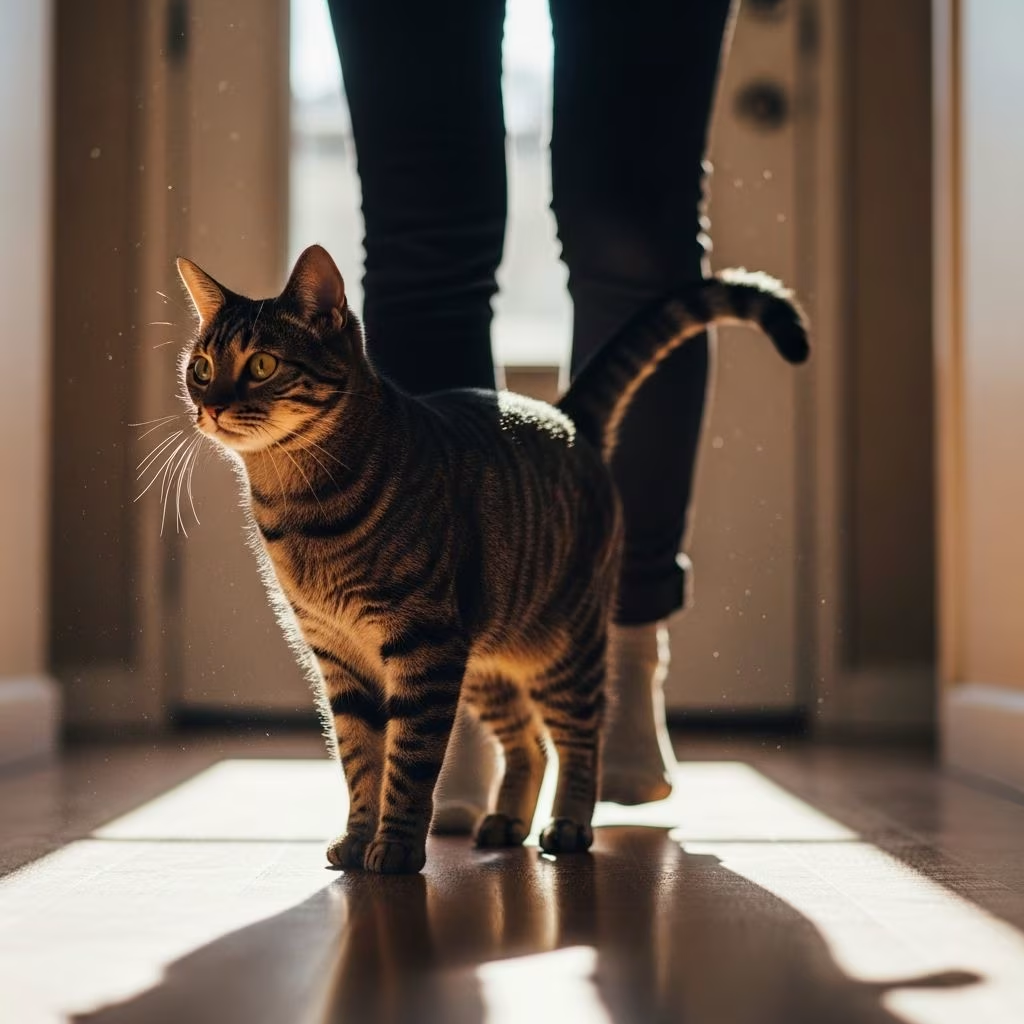
Cats often display an intense need to stay close to their owners, following them from room to room and seeking constant proximity. This behavior stems primarily from secure attachment bonds, where cats view humans as a safe base, much like infants do with parents.
The Science of Feline Attachment Bonds
Research reveals that domestic cats form attachment styles similar to humans and dogs, influencing how they interact with caregivers. In studies using secure base tests, cats exhibit behaviors indicating emotional reliance on their owners for security and exploration. Securely attached cats greet owners warmly upon return, explore confidently, and return for comfort, while insecure styles lead to clinginess or avoidance.
Attachment strength plays a key role; caregivers with stronger bonds attribute more complex emotions like jealousy or empathy to their cats, perceiving them as capable of nuanced cognition. This mutual perception fosters deeper connections, explaining why some cats seem inseparable from their humans.
Common Triggers for Clingy Feline Behavior
Several everyday factors can amplify a cat’s shadowing tendencies. Routine disruptions, such as changes in schedule or environment, prompt cats to seek reassurance by sticking close. Boredom in understimulated homes also drives attention-seeking, as cats naturally crave interaction.
- Hunger or Mealtime Cues: Cats associate owner movements with feeding times, trailing to ensure they don’t miss out.
- Affection Cycles: Evening wind-down periods often see heightened following, aligning with natural crepuscular activity peaks.
- Territorial Comfort: Staying near the primary caregiver reinforces a sense of protected territory.
Health and Stress Signals in Shadowing Cats
Persistent following can signal underlying issues. Veterinary experts note that sudden clinginess may indicate pain, illness, or anxiety disorders. Cats in discomfort often shadow owners for comfort and aid, a survival instinct from wild ancestors.
| Behavior Sign | Possible Cause | Action Steps |
|---|---|---|
| Excessive vocalizing while following | Hyperthyroidism or dental pain | Schedule vet exam with bloodwork |
| Loss of appetite alongside shadowing | Stress-induced gastrointestinal upset | Monitor eating; try pheromone diffusers |
| Hiding then sudden clinginess | Anxiety from household changes | Introduce enrichments like puzzle feeders |
Owners should track patterns; if shadowing pairs with lethargy or hiding, professional evaluation is essential to rule out medical conditions.
Instinctual Roots of Constant Companionship
Cats’ wild heritage shapes their social needs. Kittens learn early to stay near mothers for protection, a trait carrying into adulthood with trusted humans. Indoor living amplifies this, as cats rely on owners for all resources, blurring lines between independence and dependence.
Unlike aloof stereotypes, studies show 64% of cats display secure attachment, feeling safe to explore only after confirming owner presence. Insecure cats, about 36%, may over-depend, sitting demandingly or avoiding contact inconsistently. Early socialization solidifies these styles, with stable bonds resisting change even after training.
Environmental Factors Influencing Clinginess
Home setup significantly impacts following behavior. Multi-cat households can spark competition, leading to one cat shadowing more for attention. Lack of vertical spaces or toys leaves cats understimulated, turning to owners as primary entertainment.
- Insufficient scratching posts increase stress, prompting proximity-seeking.
- Limited window views reduce mental stimulation, heightening owner focus.
- Recent moves or additions (new pets, babies) trigger reassurance needs.
Balancing Bond and Independence in Cats
To encourage healthy space while nurturing attachment, implement gradual independence training. Start with short alone times, rewarding calm behavior with treats. Interactive toys and scheduled play sessions fulfill needs without constant human presence.
Pheromone products mimicking maternal scents can ease anxiety in insecure cats. Consistent routines build security, reducing over-reliance. For avoidant attachments, gentle positive reinforcement fosters trust without pressure.
Decoding Your Cat’s Attachment Style
Observe reactions during brief separations to identify style. Secure cats remain relaxed, greeting happily on return. Ambivalent ones demand attention excessively; avoidant hide or ignore; disorganized mix signals.
Understanding this helps tailor responses. Secure cats thrive with balanced interaction; insecure ones benefit from routine and enrichment to build confidence. Attachment forms early, emphasizing kittenhood bonding.
When Shadowing Turns Problematic
Excessive cases may indicate separation anxiety, marked by destructive acts or distress vocalizations when alone. Cognitive dysfunction in seniors mimics this, requiring vet intervention. Professional behaviorists recommend desensitization protocols.
Practical Tips for Managing Constant Following
- Enrich environment with cat trees, tunnels, and automated toys.
- Set feeding schedules to decouple movement from meals.
- Use clicker training for ‘settle’ commands during quiet times.
- Provide safe solo zones like heated beds away from high-traffic areas.
- Monitor for multi-cat rivalry; separate resources if needed.
Fostering Secure Attachments from Kittenhood
Early handling (weeks 2-7) cements secure bonds. Daily gentle play and feeding build trust. Avoidant styles link to less primary emotion attribution by owners, underscoring reciprocal influence. Beliefs in animal minds enhance perceptions of complexity, strengthening ties.
FAQs on Clingy Cat Behavior
Is it normal for my cat to follow me everywhere?
Yes, it’s common and often reflects a secure, loving bond. Monitor for sudden changes signaling health issues.
Why does my cat only shadow me at night?
Crepuscular instincts peak then, combining with wind-down routines for comfort-seeking.
How can I get my cat to give me space?
Increase enrichment and practice short absences with rewards to promote independence.
Does breed affect shadowing tendencies?
Breeds like Siamese are more vocal and clingy due to social breeding, but attachment style trumps breed.
What if my cat’s clinginess started after a move?
It’s likely stress-related; use familiar scents and routines to rebuild security.
Long-Term Benefits of Strong Cat-Human Bonds
Secure attachments improve cat welfare, reducing stress-related illnesses. Owners gain companionship, with studies linking strong bonds to better mental health for both. Housing (indoor/outdoor) shows minimal impact; bond quality matters most.
References
- Attachment as the Catalyst for the Attribution of Complex Cognition… — PMC/NCBI. 2024. https://pmc.ncbi.nlm.nih.gov/articles/PMC11274030/
- Cats may have ‘attachment styles’ that mirror people’s — Science News. 2023-05-29. https://www.sciencenews.org/article/cats-attachment-styles-people
- Cats experience attachment like babies and dogs — Dezi & Roo. 2023. https://deziroo.com/blogs/pawsitive-connections/cats-experience-attachment-like-babies-and-dogs



