

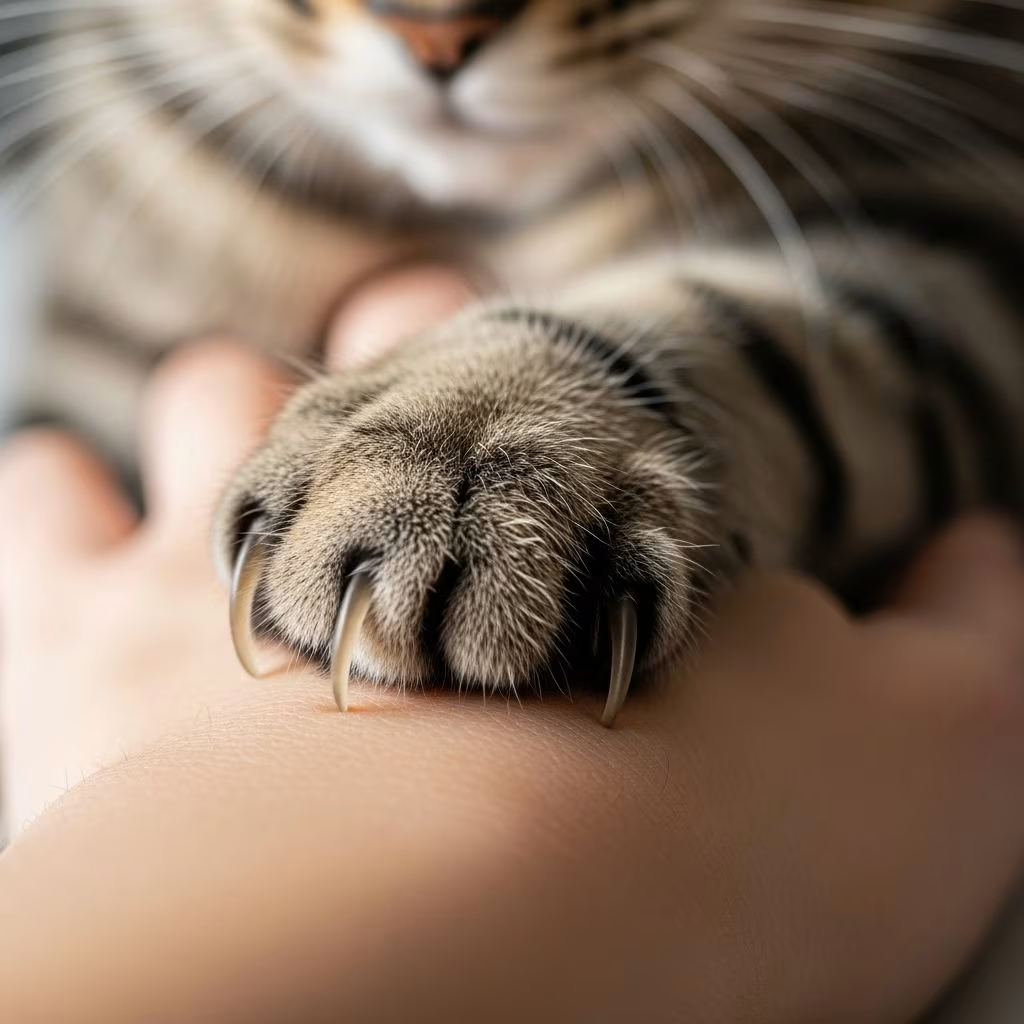
Cats scratching people is a common yet perplexing behavior that blends instinct, communication, and physical necessity. Far from random mischief, this action fulfills essential needs like claw maintenance, territory assertion, and emotional expression.
The Biological Imperative Behind Cat Scratching
At its core, scratching serves vital physical functions for cats. Their claws continuously grow, requiring regular shedding of the outer sheath to expose sharp tips beneath, much like a snake molting its skin. Without this, claws become dull and overgrown, impairing a cat’s ability to climb, hunt, or defend itself.
Scratching also provides a full-body stretch, engaging muscles in the shoulders, back, and legs. This promotes circulation and flexibility, akin to a human yoga session after sleep. Recent research challenges the notion that all scratching stems from distress, suggesting it often links to comfort and routine maintenance in relaxed settings.
- Claw sharpening and sheath removal for hunting readiness.
- Muscle extension for physical health.
- Scent gland activation in paw pads for olfactory marking.
Emotional and Social Signals in Scratching
Beyond biology, cats scratch to convey feelings. In multi-pet homes or during interactions, it marks personal space with pheromones from paw glands, visually and chemically signaling ownership. A 2025 study of 1,800 cat owners found scratching prevalent near resting and social areas, associating it more with positive states like contentment than anxiety.
However, context matters. Increased scratching on people can indicate overstimulation during play, frustration from unmet needs, or stress from household changes like new arrivals or routines. If paired with hiding, appetite loss, or aggression, it may signal unease rather than playfulness.
| Context | Likely Emotion | Common Locations |
|---|---|---|
| After naps or petting | Relaxation/affection | Near beds, favorite spots |
| During rough play | Excitement/overstimulation | On arms, legs |
| Sudden household changes | Anxiety/stress | New objects, doorways |
When Scratching Targets Humans Specifically
Your cat choosing you as a scratching post often ties to learned associations or social dynamics. Cats notice reactions—positive or negative—to scratching, reinforcing it as attention-seeking. Yelling or redirecting with pets inadvertently rewards the behavior.
In play, cats may misinterpret hands as prey, leading to swipes during ‘hunt’ sessions. This roughhousing stems from kittenhood instincts but can escalate if boundaries aren’t set. Dogs in the home surprisingly reduce scratching frequency, possibly due to added stimulation and security.
Health factors shouldn’t be overlooked. Excessive or obsessive scratching might signal skin issues, allergies, or pain, prompting a vet visit.
Distinguishing Playful from Problematic Scratching
Not all claw contact equals aggression. Playful scratches occur in relaxed body language: dilated pupils, twitching tail, forward ears. Problematic ones show flattened ears, hissing, or avoidance.
Monitor patterns: Frequent targeting of skin over furniture suggests attention bids or poor alternatives. Scratching people post-meals or greetings often reflects excitement or greeting rituals.
Practical Solutions to Redirect Scratching
Managing this behavior starts with accommodation, not suppression. Punishment harms trust and welfare, while positive redirection builds habits.
- Supply diverse scratchers: Offer sisal posts, cardboard pads, and horizontal surfaces near problem areas. Place vertical ones by beds and sofas.
- Enrich the environment: Toys, perches, and puzzle feeders combat boredom-fueled scratching.
- Use deterrents wisely: Double-sided tape or citrus sprays on furniture; never on skin.
- Positive reinforcement: Reward scratcher use with treats or play, ignoring unwanted actions.
- Trim claws regularly: Blunt tips reduce damage without declawing, which experts condemn.
For attention-seeking, ignore scratches and engage only with toys, teaching appropriate interaction.
Creating a Scratching-Friendly Home Environment
Design spaces that align with feline needs. Multi-level cat trees integrate scratching posts with climbing. Rotate toys to sustain interest, preventing frustration.
Observe your cat’s preferences—some favor rough textures, others soft. Experiment with locations: near windows for entertainment or by food bowls for routine.
Health Checks and Professional Guidance
If scratching persists despite enrichments, consult a vet to rule out medical causes like hyperthyroidism or parasites. Behaviorists can assess anxiety via full profiles.
Recent data emphasizes context over assumptions. Scratching clusters with other stress signs warrant intervention; isolated instances often normalize.
FAQs
Is cat scratching always a sign of stress?
No, studies show it’s frequently tied to positive emotions or maintenance, especially in comfort zones.
How do I stop my cat from scratching me during play?
Use wand toys to redirect energy from hands; end sessions before overstimulation.
Should I declaw my cat?
Never—it’s painful and linked to behavioral issues. Provide alternatives instead.
Why does my cat scratch me more than furniture?
You may provide reactions it craves, or lack appealing posts nearby.
Can other pets influence scratching?
Yes, dogs often decrease it by adding security and play.
Long-Term Strategies for Lasting Harmony
Building a scratch-proof bond requires patience. Track behaviors in a journal to identify triggers. Gradually introduce changes, like new scratchers, with play associations.
Understand scratching as communication: your cat shares its world through claws. Responding empathetically strengthens trust, reducing conflicts.
References
- What Humans Need to Understand About Cat Scratching — Psychology Today. 2025-06. https://www.psychologytoday.com/us/blog/all-dogs-go-to-heaven/202506/rethinking-cat-scratching
- Why Do Cats Scratch? — San Diego Humane Society. N/A. https://sdhumane.org/resources/why-do-cats-scratch/
- Why is My Cat Scratching the Furniture? Understanding Feline Behavior — Cornerstone Veterinary Clinic. N/A. https://cornerstonevetclinic.com/?p=2100
- Why Do Cats Scratch? — Chewy. N/A. https://www.chewy.com/education/cat/training-and-behavior/why-do-cats-scratch
- Cat Behavior Problems – Scratching Behavior — VCA Animal Hospitals. N/A. https://vcahospitals.com/know-your-pet/cat-behavior-problems—scratching-behavior



