

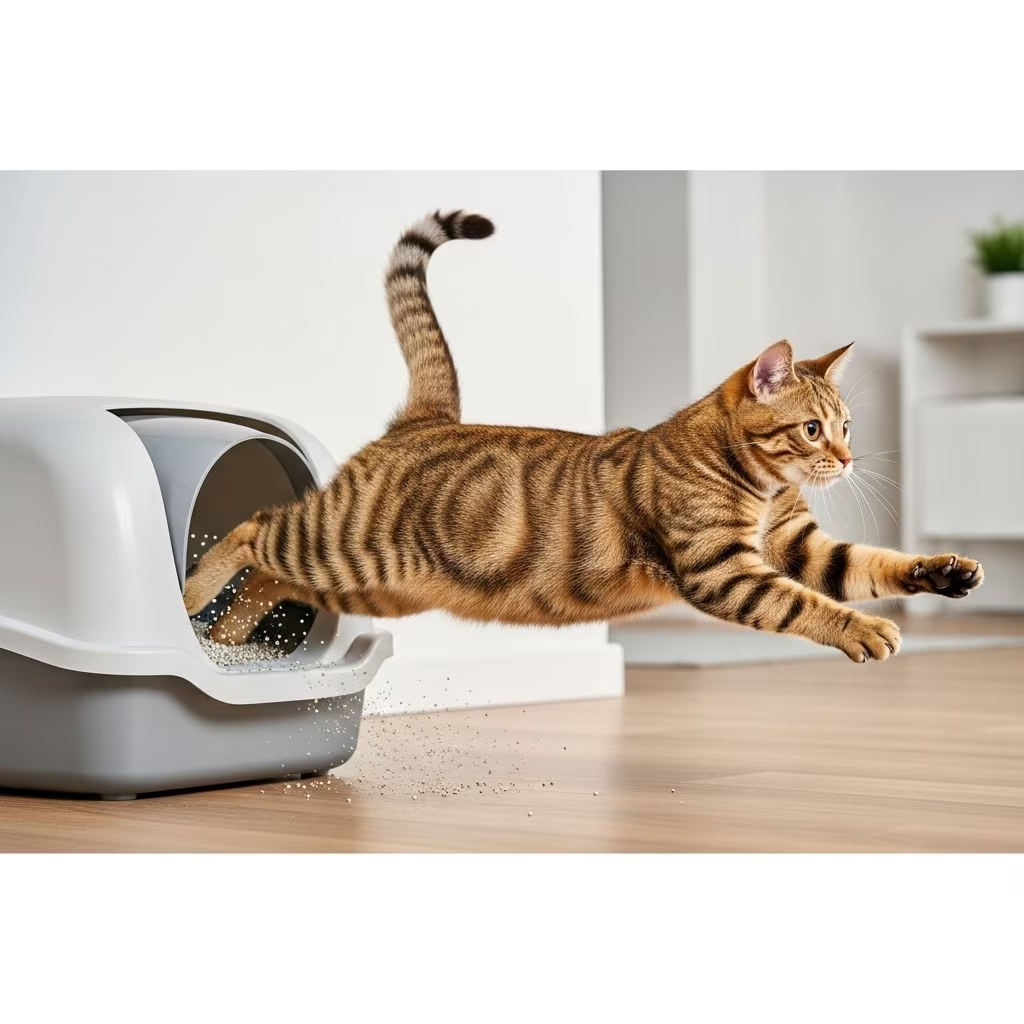
Why Do Cats Run Out of the Litter Box After Using It?
If you’ve ever noticed your cat sprinting away from the litter box immediately after using it, you’re not alone. This behavior can seem amusing at first, but it often signals something important about your cat’s physical health or emotional state. Understanding why cats exhibit this behavior is crucial for responsible pet ownership and ensuring your feline companion stays healthy and comfortable.
Is This Normal Cat Behavior?
Running out of the litter box after use can be completely normal in some cases. Cats are naturally inclined to distance themselves from their waste quickly, which is an evolutionary survival instinct. However, the speed and urgency with which your cat exits can indicate whether the behavior is typical or a warning sign of underlying issues.
When a cat uses its litter box and then casually walks away, this is generally normal behavior. But when your cat appears to bolt or flee frantically, it may suggest discomfort, pain, or an aversion to the litter box environment. The key is to observe the context and frequency of this behavior and look for accompanying signs.
The Evolutionary Instinct Behind Quick Exits
Cats evolved as both predators and prey animals in the wild. This dual nature significantly influences their bathroom habits even today. The smell of feces and urine can attract predators in natural environments, making it advantageous for cats to move away from that risk as quickly as possible. This instinct remains hardwired in domestic cats, even though they live safely indoors.
Experts in feline behavior note that using a litter box is a natural behavior for cats, but when they’re running away excessively or showing signs of distress, there’s typically a reason. Figuring out why often requires careful observation and, sometimes, professional investigation.
Medical Conditions That Cause Rapid Litter Box Exits
Urinary Tract Infections (UTI)
One of the most common medical reasons cats bolt from the litter box is a urinary tract infection. When a cat has a UTI, urination becomes painful. Cats may associate the litter box with this discomfort and try to escape as quickly as possible after finishing. If your cat frequently enters the litter box but seems to produce only small amounts of urine, a UTI may be the culprit.
Digestive and Gastrointestinal Issues
Severe constipation or dry stool can make defecation painful for cats. Similarly, digestive tract problems may cause pain during bowel movements, increase the frequency or urgency of elimination, and decrease a cat’s control over defecation. When defecating becomes uncomfortable, your cat may rush out of the box to get away from the painful experience.
Certain gastrointestinal conditions can also cause fecal matter to dangle partially outside the body as the cat leaves the litter box. This occurs when individual fecal logs become linked together. Common causes include eating grass (which is poorly digested by cats), ingestion of excessive amounts of fur, and accidental ingestion of string-like objects.
Feline Interstitial Cystitis
Feline interstitial cystitis is a serious condition that causes increased urgency to urinate and pain during urination. This condition is very serious and can be life-threatening. It must be treated immediately by a veterinarian. Cats with this condition may eliminate outside the box due to the urgency and pain involved.
Kidney and Thyroid Diseases
Kidney disease, thyroid disease, and diabetes mellitus can lead to increased thirst and more frequent urination. These conditions cause cats to need to use the bathroom more often, and the urgency may cause them to rush in and out of the litter box. Kidney disease affects both young and old cats, though it’s most common in aging felines as a chronic, progressive disease.
Bladder Stones and Kidney Stones
Cystic calculi (bladder stones) can roll around and cause inflammation of the bladder wall, leading to urgency and pain during elimination. Kidney stones may also cause frequent litter box visits and pain. In severe cases, these stones can cause blockage of the urinary tract, which is a medical emergency.
Arthritis and Joint Pain
Degenerative joint disease, or arthritis, can cause pain that makes cats avoid their litter box or rush through bathroom visits. This is especially true if the litter box requires climbing or jumping. Older cats are particularly susceptible to arthritis, which can make accessing the litter box difficult and uncomfortable.
Litter Box Management Issues
Box Cleanliness
A dirty litter box is one of the most common reasons cats show signs of litter box aversion. If you haven’t cleaned your cat’s litter box often or thoroughly enough, your cat may rush to finish and escape the unpleasant environment. Cats are naturally clean animals and prefer a pristine bathroom space.
Box Size and Type
If your cat’s litter box is too small, she may feel uncomfortable and want to escape quickly. Additionally, some cats dislike certain types of litter boxes, such as covered boxes or boxes with liners. Observing your cat balancing half in and half out of the box or not covering waste can indicate dissatisfaction with the box itself.
Litter Preferences
Cats can be particular about their litter. If your cat doesn’t like the type of litter you’re using, she may rush through her bathroom visit to spend minimal time in the box. Different cats prefer different litter textures, from fine-grained to chunky varieties.
Box Location and Accessibility
The placement of the litter box matters significantly. A box that is hard to reach, placed in a basement for an older cat with mobility issues, or located in an inconvenient spot may cause your cat to use it quickly and leave. Cats should have easy access to their litter boxes at all times.
Insufficient Number of Boxes
If you don’t have enough litter boxes for your household, cats may rush through their bathroom visits. The general rule is to have one litter box for each cat, plus one extra. In multi-cat households, one cat may control access to the box, causing stress and rushed visits for other cats.
Behavioral and Psychological Factors
Negative Litter Box Association
If something upset your cat while using the litter box in the past, she may have developed an aversion to it. This could be a painful medical condition that has since resolved, but the negative association remains. Even after recovery, cats may hesitate to use the box or rush through the experience.
Household Stress
Stress can cause litter box problems and rushed bathroom visits. Cats can be stressed by events their owners might not consider traumatic, such as moving, adding new animals or family members, or even changing daily routines. Multi-cat household conflict can create enough stress to cause behavioral changes around the litter box.
Signs Your Cat Needs Veterinary Attention
While some rapid litter box exits are normal, certain signs warrant immediate veterinary consultation:
- Scooting across the floor or focusing excessively on their hind end, which might indicate an itch, irritation, or fecal matter stuck to fur
- Straining or pain during elimination
- Blood in urine or stool
- Meowing or crying when trying to eliminate
- Sudden changes in litter box habits
- Frequent but unproductive litter box visits
- Loss of appetite or weight loss
- Increased thirst and urination outside the litter box pattern
Behavioral Observations to Monitor
Pay attention to specific behaviors around the litter box that can indicate problems:
- Scratching outside of the box or not covering waste after use
- Balancing half in and half out of the box during use
- Spending unusually long periods in the box
- Appearing hesitant to enter the box
- Vocalizing or showing signs of discomfort during bathroom visits
When to Consult Your Veterinarian
Using a litter box is a natural behavior for cats, and when they’re not doing it properly or showing signs of distress, there’s almost always a reason. At least 10% of all cats develop elimination problems at some point in their lives. If your cat is rapidly exiting the litter box, especially in combination with other symptoms, schedule a veterinary appointment.
Your veterinarian can rule out medical conditions and help identify whether the issue is related to the litter box environment, stress, or other factors. Proper diagnosis is essential because different causes require different solutions.
Solutions for Common Litter Box Problems
Improving Litter Box Maintenance
Scoop litter boxes daily and perform a complete litter change weekly. This keeps the boxes fresh and encourages regular use. Consider the analogy that nobody wants to use a dirty bathroom—the same applies to cats and their litter boxes.
Optimizing Box Setup
Ensure you have the correct number of boxes in convenient locations. Make boxes easily accessible to all cats, especially older or mobility-challenged felines. Experiment with different box types and litters to find what your cat prefers.
Managing Household Stress
Minimize sudden changes and provide safe spaces where cats can retreat. During transitions like adding new pets or family members, take extra care to maintain your cat’s routine and comfort.
Medical Management
Once your veterinarian diagnoses a medical issue, follow treatment recommendations carefully. Many conditions causing rapid litter box exits are treatable, and resolution often improves the behavior.
Frequently Asked Questions
Q: Is it normal for cats to run out of the litter box?
A: Some rapid exits are normal due to evolutionary instincts, but excessive urgency or panic can indicate medical issues or litter box problems that need investigation.
Q: What does it mean if my cat suddenly changes their litter box behavior?
A: Sudden changes often indicate either a medical condition that’s causing discomfort or a change in the litter box environment that’s causing aversion. Schedule a veterinary check to rule out health issues first.
Q: How often should I clean the litter box?
A: Scoop daily and do a complete litter change weekly. For multiple cats, you may need to scoop more frequently to maintain cleanliness standards.
Q: How many litter boxes should I have?
A: The rule is one box per cat plus one extra. So for two cats, you should have three boxes placed in different locations.
Q: What should I do if my cat has a UTI?
A: Contact your veterinarian for diagnosis and treatment. UTIs are painful and require antibiotics or other medical intervention to resolve. Once treated, your cat should resume normal litter box behavior.
Q: Can arthritis cause litter box problems?
A: Yes, arthritis and joint pain can make accessing or using the litter box uncomfortable. Consider providing boxes with lower sides or discussing pain management options with your veterinarian.
Q: What if my cat eliminates outside the litter box entirely?
A: This requires veterinary evaluation and investigation into litter box management. It could indicate medical issues, box aversion, inadequate boxes, or stress. Work with your vet to identify the cause.
References
- Feline Behavior Problems: House Soiling — Cornell University College of Veterinary Medicine. https://www.vet.cornell.edu/departments-centers-and-institutes/cornell-feline-health-center/health-information/feline-health-topics/feline-behavior-problems-house-soiling
- Litter Box Problems — ASPCA. https://www.aspca.org/pet-care/cat-care/common-cat-behavior-issues/litter-box-problems
- 6 Reasons Your Cat Is Peeing Outside the Litter Box — PetMD. https://www.petmd.com/cat/behavior/reasons-your-cat-peeing-outside-litter-box
- Cat Not Using Litter Box: Causes and Solutions — Best Friends Animal Society. https://bestfriends.org/pet-care-resources/cat-not-using-litter-box-causes-and-solutions
- Why Does My Cat Keep Missing the Litter Box and Peeing Over the Side? — The Cat Vet. https://www.thecatvet.co.uk/why-does-my-cat-keep-missing-the-litter-box-and-peeing-over-the-side.html



