

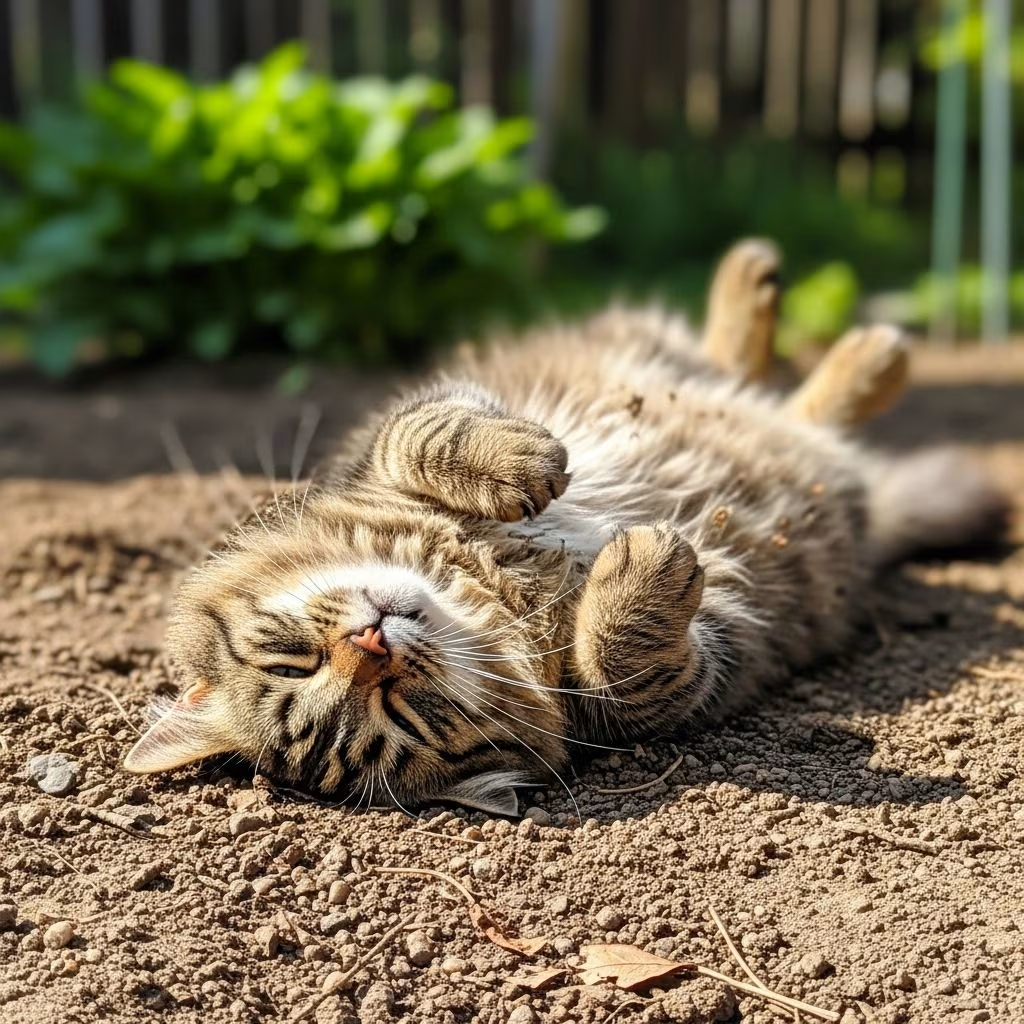
Cats rolling in dirt is a sight that puzzles many pet owners. This quirky behavior, known as dust bathing, is deeply rooted in feline instincts and serves multiple purposes in their daily lives. Whether your cat is an outdoor adventurer or an indoor enthusiast mimicking wild behaviors, understanding these actions can strengthen your bond and ensure their well-being.
The Instinctual Roots of Dust Bathing in Cats
Dust bathing traces back to cats’ wild ancestors, who used soil to maintain hygiene and communicate. Domestic cats retain this trait, rolling vigorously to toss dirt onto their fur. This isn’t messiness; it’s a calculated routine for survival and pleasure. Observations show cats prefer fine, dry soil, flipping and rubbing to distribute particles evenly.
Indoor cats may improvise with carpets or laundry, seeking the same tactile satisfaction. This behavior peaks in warm weather or after wet fur, highlighting its adaptive nature.
Primary Motivations Behind the Dirt Roll
- Cooling Mechanism: On hot days, cats press into cool subsurface soil. The evaporation of moisture from dirt against their skin lowers body temperature effectively, much like a natural air conditioner.
- Scent Camouflage for Hunters: Wild cats mask their odor with earthy smells to sneak up on prey. Domestic felines continue this, blending into environments during play hunts.
- Territory Declaration: Scent glands on cheeks, paws, and flanks deposit pheromones onto the ground, signaling ownership to rivals and reassuring themselves of safety.
Social and Emotional Drivers
Beyond survival, dirt rolling expresses joy and trust. A relaxed cat on its back, belly exposed, invites interaction. Purring or chirping often accompanies this, indicating affection and a desire for pets or play.
In multi-cat homes, it fosters bonds. Kittens learn from mothers, turning solo dust baths into group activities that reinforce hierarchies and friendships.
Health and Grooming Advantages
Dust acts as a dry shampoo, absorbing oils and dislodging dead hair or parasites. The gritty massage reaches spots tongues can’t, preventing matting. Ingested soil bacteria may act as probiotics, supporting gut flora for better digestion—similar to how humans benefit from fermented foods.
| Benefit | How It Works | Evidence from Felines |
|---|---|---|
| Parasite Removal | Dust scratches off fleas/ticks | Common in itchy cats; vet-recommended check |
| Fur Drying | Absorbs moisture post-rain | Observed after baths or sprinklers |
| Gut Health | Bacteria ingested via grooming | Theory supported by microbiome studies |
| Skin Massage | Ground stimulates circulation | Leads to relaxed post-roll grooming |
Playful and Stimulant-Induced Rolls
Energy bursts prompt playful tumbles, treating dirt as a playground. Cats pounce on leaves or bugs amid rolls, honing hunting skills. Catnip exposure amplifies this—its compounds trigger euphoria, leading to ecstatic dirt dives that last 10-15 minutes.
Provide safe toys mimicking this: catnip-stuffed mice or dirt-scented scratchers for indoor fun.
When Dirt Rolling Signals Issues
Usually benign, excessive rolling warrants checks. Bald patches, redness, or scabs suggest fleas, allergies, or mites. Over-grooming post-roll indicates ingested irritants. Consult vets for preventives like collars or spot-ons, especially in parasite-prone areas.
Monitor frequency: daily in summer is normal; sudden increases may flag stress or health woes.
Indoor Alternatives for Apartment Cats
Urban dwellers miss outdoor dirt. Create dust baths with child-safe play sand in shallow trays, sprinkled with catnip. Supervise to avoid ingestion hazards. Rotating textures—sand, cornmeal—keeps it engaging.
- Use shallow litter boxes filled with fine sand.
- Add dried herbs for scent appeal.
- Place near windows for ‘outdoor’ vibes.
Seasonal and Breed Variations
Long-haired breeds like Persians roll less due to fur density but appreciate dust for oil control. Summer spikes occur universally; winter sees shifts to rugs. Outdoor access influences frequency—ferals dust bathe daily for hygiene.
Safe Outdoor Environments for Rollers
Ensure yards are pesticide-free; chemicals cling to fur and enter via grooming. Fenced areas prevent escapes. Mulch or bare patches invite natural baths without toxic grass.
FAQs: Common Questions on Cat Dirt Rolling
Is it safe for cats to roll in dirt?
Yes, in clean areas. Avoid spots with fertilizers, fleas, or sharp debris. Regular flea treatments mitigate risks.
Why do indoor cats roll on floors?
They mimic outdoor bathing for grooming, cooling, or fun. Provide alternatives like sand pits.
Does rolling mean my cat is sick?
Not usually, but pair with itching or hair loss? Vet visit advised for parasites or dermatitis.
Can I stop my cat from dirt rolling?
It’s natural—discourage only if unsafe. Redirect to indoor setups.
How often should cats dust bathe?
Weekly to daily, varying by climate and lifestyle. More in heat.
Enhancing Your Cat’s Dust Bathing Experience
Embrace this trait: film rolls for joy, then brush out debris. It reveals coat health. Combine with enrichment—post-roll play sessions build trust.
Ultimately, dirt rolling showcases your cat’s vitality. From ancient instincts to modern homes, it enriches their world uniquely.
References
- Why Do Cats Roll In Dirt? 9 Reasons Why! — cats.com. 2023. https://cats.com/why-do-cats-roll-in-dirt
- Why Do Cats ROLL In The DIRT 4 Reasons — Kitsune Siberian Forest Cats (YouTube). 2019-04-22. https://www.youtube.com/watch?v=h2b0ghKyQsc
- Indoor Feline Dirt Rolling — Dr. Jeff Nichol. Accessed 2026. https://www.drjeffnichol.com/indoor-feline-dirt-rolling/



