

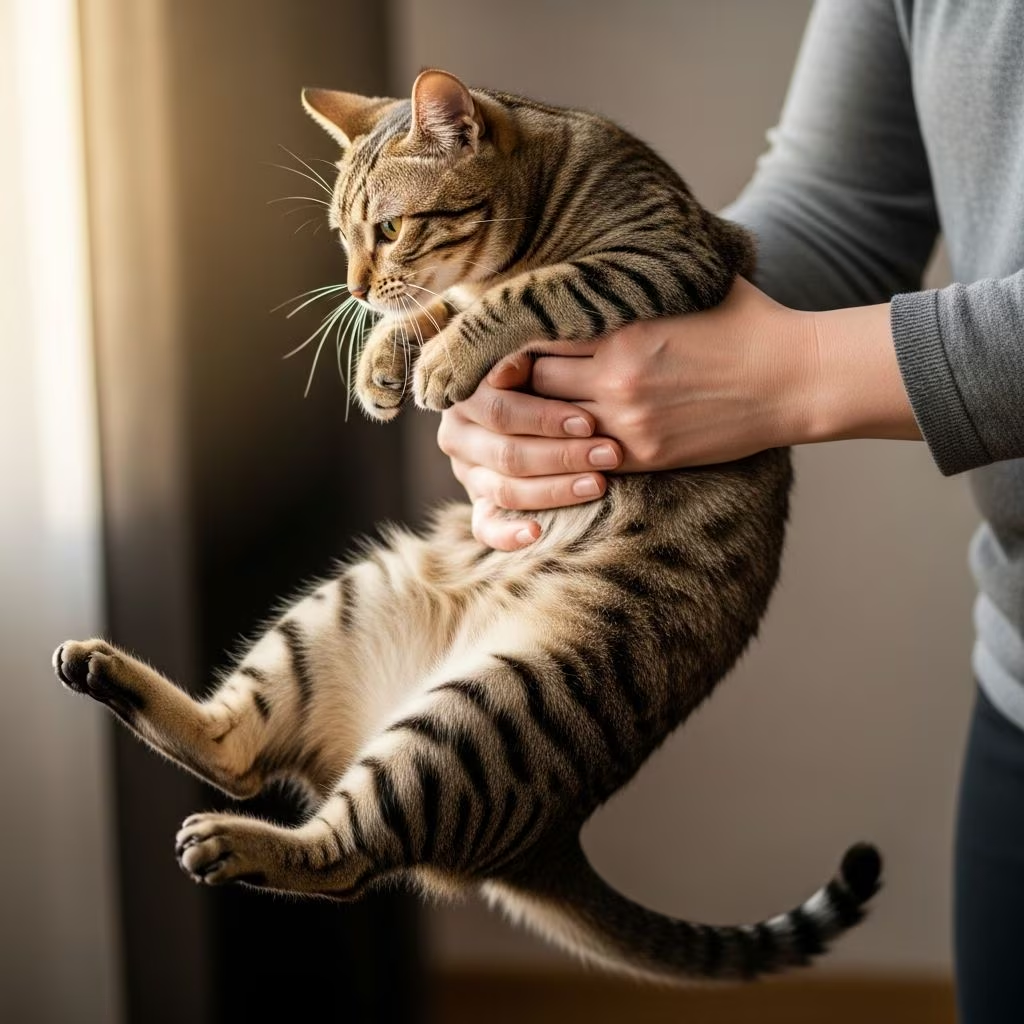
Cats often squirm, scratch, or leap away when owners attempt to scoop them into their arms. This common frustration stems from a mix of feline instincts, past experiences, and individual traits. Understanding these factors helps owners foster better relationships without forcing unwanted contact.
The Instinctual Roots of Feline Independence
Cats descend from solitary wild ancestors like the African wildcat, which prioritized autonomy over close physical contact. In the wild, adult cats rarely lift or carry each other, making human handling feel unnatural and intrusive. Being suspended mid-air triggers a prey-like vulnerability, as cats instinctively associate elevation without control to predation risks.
This evolutionary holdover explains why even affectionate cats may tolerate petting on their terms but reject full-body lifts. Owners who respect this by offering lap-sitting spots or elevated perches often see improved voluntary closeness.
How Kittenhood Shapes Adult Comfort Levels
Early life experiences profoundly influence a cat’s tolerance for handling. Kittens exposed to gentle, frequent human interaction between 2 and 7 weeks develop confidence around being picked up. Those handled daily by caregivers grow into adults who view it as normal.
Conversely, feral kittens or those from litters with minimal human contact enter adulthood wary of restraint. This socialization window closes around 12 weeks, after which retraining requires patience. Adult rescues may need months of gradual exposure to rebuild comfort.
Reading the Warning Signs of Discomfort
Body language provides clear cues that a cat dislikes being held. Watch for these indicators to avoid escalation:
- Rapid wriggling or claw extension signaling escape urgency.
- Tail lashing or low positioning indicating irritation.
- Flattened ears, dilated pupils, or vocal hissing showing stress.
- Sudden bolting or hiding post-handling, a sign of lingering fear.
Ignoring these can erode trust, leading to avoidance or aggression. Always release promptly upon noticing signals, reinforcing that interaction ends positively.
Breed Tendencies and Personality Variations
| Breed | Handling Preference | Key Traits |
|---|---|---|
| Ragdoll | High tolerance | Relaxed, floppy when held; bred for affection. |
| Bengal | Low tolerance | High-energy, wildcat heritage; prefers activity over restraint. |
| Abyssinian | Moderate-low | Curious explorers; values freedom to roam. |
| Siamese | Variable | Vocal and social but can overstimulate quickly. |
While breeds influence predispositions, individual personality trumps genetics. Independent “lone ranger” cats shun handling, while “velcro” types seek it out. Observe your cat’s baseline to tailor expectations.
Health Problems Masked as Behavioral Resistance
A once-tolerant cat suddenly rejecting holds warrants veterinary attention. Pain from arthritis, dental disease, or injuries makes pressure unbearable. Subtle shifts like flinching or selective avoidance often signal issues before other symptoms appear.
Annual exams catch these early. Senior cats benefit from joint supplements and soft bedding. Note: Reliable pet insurance eases costs for diagnostics like X-rays.
Building Trust Through Positive Associations
Transform handling aversion with these steps:
- Start small: Offer treats from a distance, progressing to brief pets.
- Use proper technique: Support chest and hindquarters firmly, avoiding belly exposure.
- Timing matters: Approach when relaxed, post-meal or play.
- Reward release: End sessions before stress peaks, with praise or food.
- Daily practice: Short, consistent sessions build familiarity without overwhelm.
Patience yields results; some cats never fully embrace it, but most accept necessity like vet visits.
Overstimulation and Boundary Respect
Cats process touch intensely; prolonged holding overwhelms nerves, flipping relaxation to agitation. Tail swishes or skin ripples precede “petting-induced aggression.” Pause at early signs, allowing self-regulation.
Honor territorial needs by letting cats initiate contact. Vertical spaces like cat trees provide security without handling dependency.
When Handling Becomes Essential
Despite preferences, life demands occasional lifts—for baths, meds, or travel. Desensitize via carrier training: Feed meals inside, graduate to short carries. pheromone diffusers calm anxiety.
For multi-cat homes, isolate handling to prevent jealousy-fueled conflicts.
Common Myths About Cat Affection
- Myth: Aloofness means unloving. Cats bond deeply but show it via rubbing, slow blinks, not hugs.
- Myth: Force builds tolerance. It breeds fear; positivity works better.
- Myth: All cats crave cuddles. Diversity exists; lap preference varies.
Recent studies affirm cats form secure attachments akin to infants, mirroring caregiver energy.
Fostering a Cuddly Environment
Enhance appeal with warming beds, interactive toys, and routine play. Stress reduction via puzzle feeders cuts cortisol, boosting sociability. Multi-level homes mimic natural heights, reducing handling reliance.
FAQs
Why does my cat suddenly hate being held?
Often pain or illness; consult a vet for changes in behavior.
Can I train an adult cat to like handling?
Yes, gradually with treats and short sessions, respecting limits.
What if my cat scratches when picked up?
Trim nails, use gloves initially, and improve technique for security.
Are some cats just anti-cuddle?
Personalities vary; focus on their preferred affection styles.
How long until my new cat tolerates holds?
Weeks to months; consistency and no force key.
References
- Why Cats Dislike Being Held and What You Can Do About This — Pet Insurance Australia. 2023. https://www.petinsuranceaustralia.com.au/why-cats-dislike-being-held-and-what-you-can-do-about-this/
- 5 Reasons Cats Hate To Be Held — Two Crazy Cat Ladies. 2023. https://twocrazycatladies.com/cat-behavior/5-reasons-cats-hate-to-be-held/
- Why Doesn’t My Cat Like To Be Held? — Vetstreet (Dr. Marty Becker). 2022. https://www.vetstreet.com/dr-marty-becker/why-doesnt-my-cat-like-to-be-held
- Surprised Your Cat Doesn’t Like to Cuddle? Here’s EVERYTHING — YouTube (Jackson Galaxy). 2023. https://www.youtube.com/watch?v=HjjpewD9Iik
- Why Doesn’t My Cat Cuddle With Me? Top 6 Reasons — Cats.com. 2024. https://cats.com/why-doesnt-my-cat-cuddle-with-me



