

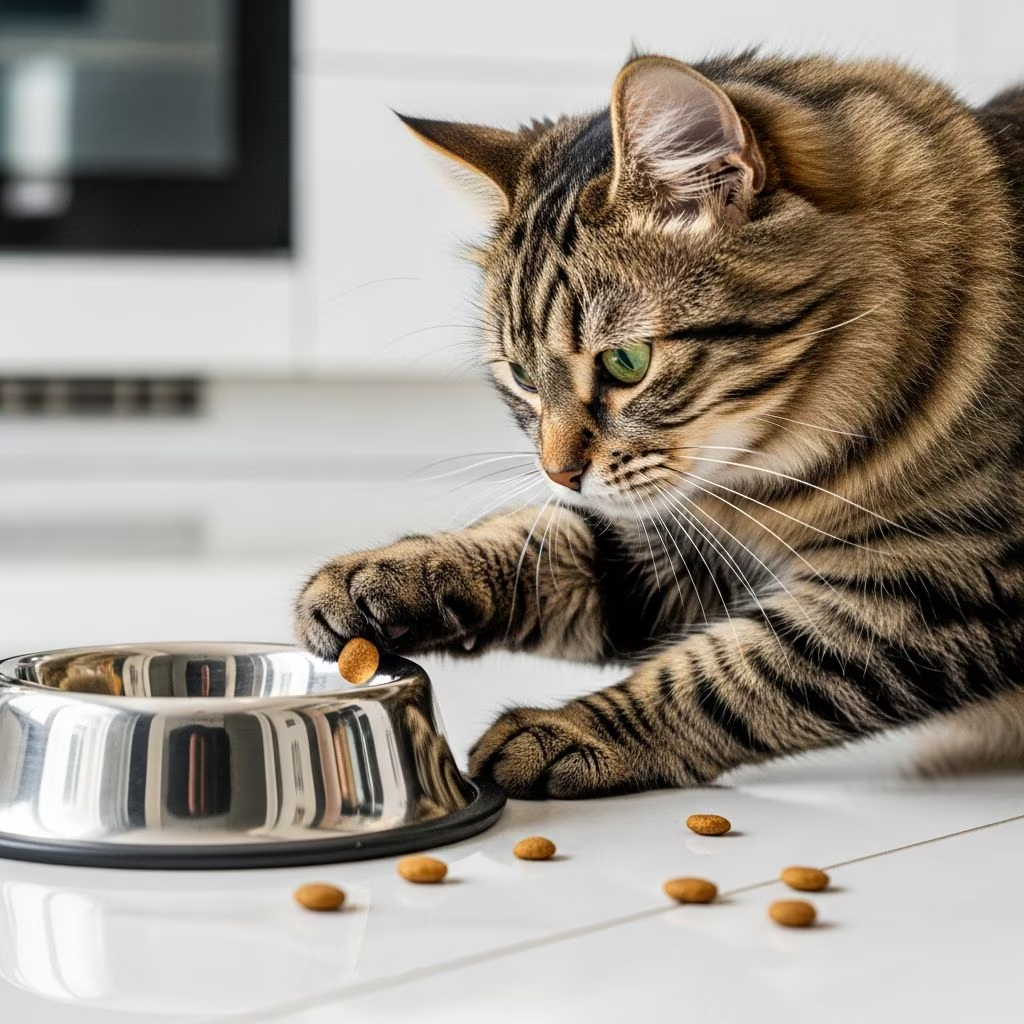
If you’ve ever watched your feline companion fish kibble out of their bowl with a paw, only to eat it off the floor or in another corner of the house, you’re not alone. This behavior, while sometimes frustrating for pet owners, is far more common than many realize. Understanding the motivations behind this quirky dining habit can help you better care for your cat and create a more comfortable feeding environment.
Evolutionary Heritage and Ancestral Instincts
The foundation for understanding your cat’s food-removal behavior lies in their ancestry. Modern domestic cats are descendants of African wildcats, creatures that evolved to hunt and consume their prey in solitude. This evolutionary programming remains deeply embedded in their DNA, even after thousands of years of domestication.
In the wild, a solitary hunter would need to move its kill away from the original hunting site for several strategic reasons. Moving prey to a secluded location provided privacy, reduced the risk of larger predators discovering their meal, and allowed them to eat undisturbed. Your pet cat, despite living a comfortable life in your home with a guaranteed food supply, still carries these ancient instincts. When a cat removes food from its bowl, it may simply be responding to this millennia-old programming that tells it to secure its meal in a safer, more private location.
This behavior doesn’t indicate a problem with your cat or your feeding routine. Rather, it represents a fascinating connection to their wild relatives and a reminder that domestication is often only skin-deep when it comes to instinctive behaviors.
The Whisker Fatigue Phenomenon
One of the most significant and scientifically discussed reasons for this behavior relates to a condition known as whisker fatigue. Cats possess extraordinarily sensitive whiskers, called vibrissae, which are packed with nerve endings that detect minute changes in their environment. These specialized sensory organs are essential to how cats navigate and understand their surroundings.
Whisker fatigue occurs when these hypersensitive whiskers are repeatedly stimulated or compressed, causing sensory overload. When a cat lowers its face into a narrow or deep food bowl, the sides of the bowl constantly brush against the whiskers. This continuous stimulation can create discomfort or stress, similar to what a human might experience with repeated overstimulation of sensitive areas.
Interestingly, cats often demonstrate an adaptive response to this discomfort. Many cats will eat only from the center of their bowl where they can avoid whisker contact, leaving food around the edges untouched. When the center becomes depleted and they face the prospect of eating from the sides, some cats will stop eating altogether rather than endure the discomfort. Other cats, particularly hungry ones, will take matters into their own paws by removing the food from the bowl entirely and eating it off the floor where their whiskers can remain completely unobstructed.
This explains why switching to shallow, wide bowls often resolves the behavior immediately. Whisker-safe food dishes, typically made from stainless steel with wide, low-rimmed designs, eliminate the whisker contact issue entirely.
Environmental Safety and Location Concerns
Beyond instinct and sensory sensitivity, the physical placement of your cat’s food bowl significantly influences their dining choices. Cats are creatures of preference and comfort, and they make deliberate decisions about where they feel safe eating.
One critical environmental factor is the proximity of water sources. Research into feline drinking behavior reveals a consistent pattern: cats prefer to keep their food and water sources completely separated. In the wild, cats instinctively avoid eating near bodies of water because they recognize that contaminated water sources pose health risks. Additionally, consuming prey near water could attract other predators or scavengers. This ancient wisdom persists in domestic cats, who will often remove their food from a bowl placed too close to their water dish, effectively recreating the distance their wild ancestors maintained.
Beyond water proximity, other environmental factors may encourage food-moving behavior. A noisy, high-traffic kitchen where children play or dogs frequent might feel unsafe to your cat. A bowl positioned near appliances that produce unexpected sounds or vibrations could trigger stress responses. Even competition from other household pets or uncertainty about territorial boundaries can motivate your cat to relocate their meal to a quieter, more secure location.
Bowl Design and Physical Comfort
The actual design of your cat’s food dish plays a more important role than many pet owners realize. Beyond the whisker fatigue issue, bowl shape, depth, and material all contribute to your cat’s dining experience.
Bowls that are too deep force cats to crane their necks at uncomfortable angles. Those with narrow openings restrict how cats can position their heads while eating. Some bowls have elevated lips or rims that catch food particles and create barriers to natural feeding positions. Cats eating from such bowls may experience jaw discomfort, difficulty gripping food, or a generally awkward feeding posture.
Additionally, some cats are particular about the material of their bowls. Plastic bowls can develop odors that linger even after washing, potentially making food taste unpleasant. Metal bowls can create auditory feedback that some cats find unpleasant. Ceramic bowls, while aesthetically pleasing to humans, may not be the most comfortable option for feline diners.
Switching to shallow ceramic or stainless steel plates, or specialized whisker-safe bowls, often results in immediate behavior changes. Many cats will happily eat from a wide, shallow plate with minimal or no rim, suggesting that comfort and ease of access are primary concerns.
Social Dynamics and Pack Behavior
In multi-cat households, food removal behavior often reflects complex social dynamics and competitive instincts. Even though cats are typically solitary hunters, they must navigate territorial boundaries and feeding hierarchies when sharing space with other felines.
A cat that feels threatened during mealtime may remove its food to eat in a safer, more private location where other cats cannot interfere. This behavior becomes more pronounced if one cat is more dominant or aggressive about food access. Some cats will actually carry food to their owner, positioning themselves closer to what they perceive as the “leader” of their household pride. This behavior serves a dual purpose: it allows the cat to eat while maintaining proximity to someone they trust for protection, and it removes the meal from contested territory.
In households with multiple cats, simply separating feeding areas and providing individual bowls in different locations can dramatically reduce food-moving behavior. Giving each cat their own secure feeding space eliminates competition anxiety and allows them to eat comfortably without the need to relocate their meals.
Seeking Proximity and Protection
When a cat brings its food closer to you or specifically to your location, it often reflects a desire for proximity and perceived protection. Cats recognize their owners as authority figures within their household structure. By eating near you, your cat feels safer and more secure, knowing that you can intervene if threats arise.
This behavior is particularly common in anxious cats or those with previous negative experiences around feeding. A cat that was previously food-deprived, competed intensely with other animals for meals, or experienced disruptions during eating may develop a pattern of seeking your presence during mealtime. Your proximity becomes reassuring, transforming a potentially stressful activity into a bonding opportunity.
Addressing the Behavior: Practical Solutions
Understanding why your cat removes food from their bowl is the first step toward creating a better feeding situation. Consider implementing these evidence-based adjustments:
- Invest in appropriate dishware: Switch to shallow, wide bowls made from ceramic or stainless steel. Specialized whisker-safe bowls are specifically designed to address sensory concerns.
- Separate food and water: Place these bowls in different rooms or at significantly different locations within the same room to respect your cat’s natural preferences.
- Evaluate feeding location: Move the food bowl away from high-traffic areas, noisy appliances, or places where other household pets frequent.
- Establish individual feeding stations: In multi-cat homes, provide separate bowls in different locations to reduce competition anxiety.
- Create a secure space: Consider feeding your cat in a quiet room with doors that close, allowing them to eat without worry about interruptions or territorial disputes.
Frequently Asked Questions
Is it unhygienic for my cat to eat off the floor?
While it might seem messier, eating off the floor isn’t inherently unhygienic if your floors are clean. Many cats prefer this method because it eliminates whisker contact and provides a more natural eating posture. Regular floor cleaning maintains hygiene standards.
Should I be concerned if my cat suddenly changes this behavior?
If your cat abruptly stops removing food or shows significant changes in eating habits, decreased appetite, or signs of distress during feeding, consult your veterinarian. These changes could indicate underlying health issues or increased stress levels.
Can I train my cat to eat from the bowl?
Rather than training against a natural behavior, addressing the underlying cause is more effective. Once you’ve solved the comfort issue—whether through bowl changes, location adjustments, or reduced competition—most cats will naturally eat from bowls more consistently.
Do all cats exhibit this behavior?
Not all cats remove food from bowls. Some cats are content with their feeding setup and show no signs of this behavior. Individual preferences, past experiences, and comfort levels vary significantly among cats.
When to Seek Professional Guidance
Most food-removal behavior is harmless and manageable through environmental adjustments. However, consult with your veterinarian if you observe accompanying symptoms such as weight loss, loss of appetite, excessive drooling, difficulty chewing, or signs of pain during eating. These could indicate dental problems, oral health issues, or other medical concerns requiring professional evaluation.
Similarly, if the behavior is accompanied by signs of extreme anxiety, refusal to eat in certain locations, or aggressive behavior during mealtimes, a feline behaviorist can provide specialized guidance.
Conclusion: Understanding Your Cat’s Needs
Your cat’s habit of removing food from the bowl reflects a complex interplay of evolutionary instincts, sensory sensitivities, environmental preferences, and social dynamics. Rather than viewing this behavior as a problem, consider it valuable communication from your pet about their feeding preferences and comfort needs.
By thoughtfully addressing the underlying causes—whether through bowl selection, location adjustment, or multi-cat household management—you can create a feeding environment that respects your cat’s natural inclinations while maintaining your home’s tidiness. Most importantly, you’ll be fostering a deeper understanding of your feline companion and demonstrating care that extends beyond basic nutrition to encompassing their overall wellbeing and contentment.
References
- Why Do Cats Refuse to Eat When There’s Still Food in the Bowl? — ScienceABC. 2024-04-29. https://www.youtube.com/watch?v=uLcX_E3mSeE
- Drinking Behavior Study in Domestic Cats — Drs. Julia Fritz and Stepanie Handl, Veterinary Medicine. https://thecatisinthebox.com/blogs/kitty-contemplations/why-does-my-cat-take-food-out-of-his-bowl-to-eat
- Why Do Cats Carry Food from Their Bowls? — PetPlace.com. https://www.petplace.com/article/cats/pet-behavior-training/why-do-cats-carry-food-from-their-bowls
- Cat Eats Food Outside of Bowl: Understanding Feline Behavior — UAHPet. https://www.uahpet.com/blogs/post/cat-eats-food-outside-of-bowl-understanding-feline-behavior



