

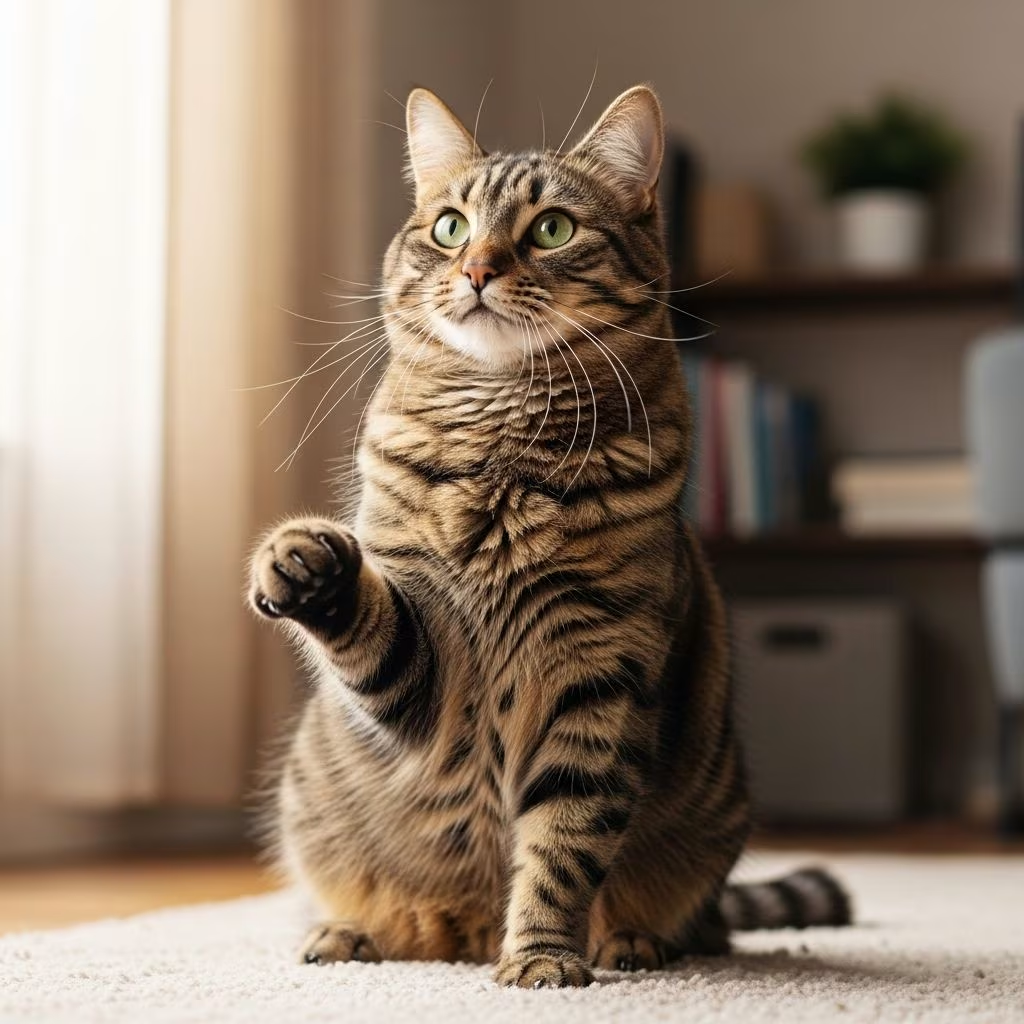
Cats frequently exhibit a peculiar behavior where they sit calmly yet lift one paw off the ground, holding it suspended in the air. This gesture can puzzle owners, as it might signal everything from playful anticipation to underlying discomfort. Understanding this action requires observing accompanying cues like ear position, tail movement, and vocalizations. In most cases, a raised paw reflects a cat’s natural communication style, rooted in their evolutionary instincts as both predators and social animals.
Decoding Feline Communication Through Paws
Paws serve as multifunctional tools for cats, enabling touch, exploration, and expression. A lifted paw often acts as a visual signal, similar to how dogs use tail wags or ear tilts. Veterinary behaviorists note that this posture typically indicates heightened awareness or intent, whether positive or negative. For instance, it can precede interaction, much like a human raising a hand to speak. Context is crucial: a relaxed body suggests benign motives, while tension points to potential issues.
Common Motivations Behind the Paw Lift
Multiple factors drive this behavior. Cats may raise a paw to engage with their environment or humans. Here’s a breakdown of prevalent reasons, supported by observations from animal behavior studies.
- Anticipation of Interaction: Cats often lift a paw when expecting food, play, or pets. This mirrors a ‘begging’ pose, where they politely request attention without vocalizing.
- Sensory Investigation: A raised paw allows cats to test surfaces or air currents, gauging temperature, texture, or scents via their sensitive paw pads.
- Emotional Uncertainty: In moments of indecision, such as weighing approach versus retreat, cats fidget with a paw lift, akin to human nail-biting under stress.
Health-Related Causes You Shouldn’t Ignore
Not all paw raises are whimsical. Physical ailments can prompt this posture as a protective measure. Cats instinctively avoid bearing weight on injured limbs to prevent further damage.
| Sign | Possible Issue | Action Steps |
|---|---|---|
| Limping or favoring one paw | Sprain, cut, or abscess | Inspect gently; consult vet if swelling persists |
| Repeated lifting with growling | Arthritis or nail issues | X-ray if chronic; pain meds may help |
| Paw held high, non-weight bearing | Foreign object or infection | Clean and monitor; seek professional care |
If the paw lift accompanies limping, reluctance to jump, or changes in appetite, prompt veterinary evaluation is essential. Early detection of issues like pododermatitis or thorn punctures can prevent complications.
Affectionate Gestures and Bonding Signals
Many paw raises convey fondness. Cats with scent glands on their paws may extend them toward owners to ‘mark’ territory, integrating humans into their social circle. This gentle dabbing reinforces bonds, especially during relaxed sitting sessions. Observational learning plays a role too—cats mimic human hand raises for treats, strengthening mutual understanding through reinforced behaviors.
Hunting Instincts in Domestic Settings
Even indoor cats retain predatory drives. A seated paw lift often precedes a pounce on toys, shadows, or insects. Wide eyes, forward ears, and a twitching tail accompany this ‘stalk mode.’ Providing interactive toys channels this energy constructively, reducing frustration.
When the Paw Raise Signals Irritation
Context matters for negative interpretations. A tense body, flattened ears, or dilated pupils with a raised paw warns of impending swats. Overstimulation from petting sessions commonly triggers this—cats signal ‘enough’ before escalating to scratches. Respecting these boundaries prevents bites and builds trust.
Stretching and Comfort Positions
Post-nap stretches frequently involve paw extensions. Cats elongate limbs to loosen muscles, holding a front paw aloft while arching their back. This is harmless and indicates contentment, often paired with yawning or kneading.
Age and Breed Influences on Paw Behavior
Kittens raise paws more playfully, practicing coordination. Seniors might do so due to joint stiffness. Breeds like Siamese or Bengals, known for high energy, exhibit this frequently during alert states. Environmental factors, such as new furniture or visitors, amplify the behavior as cats assess changes.
How to Respond to Your Cat’s Paw Signals
Positive reinforcement enhances communication. If affection is intended, offer gentle scratches. For hunting cues, deploy feather wands. Ignore irritation signals by withdrawing touch. Consistent responses teach cats effective signaling.
- Observe full body language daily.
- Track patterns in a journal for vet visits.
- Enrich environment with climbing trees and puzzles.
FAQs: Answering Common Questions About Cat Paw Lifts
Is a raised paw always a sign of pain?
No, it’s often communicative or playful, but persistent cases with other symptoms warrant a vet check.
Why does my cat only do this around me?
You’re their trusted human—they seek your specific interaction, like treats or play.
Can training reduce excessive paw raising?
Yes, through toys and schedules, redirecting energy lowers attention-seeking lifts.
Does it indicate anxiety?
Sometimes; paired with hiding or pacing, it may signal stress—consider pheromone diffusers.
Should I worry if it’s a new behavior?
Monitor for a week; if isolated, it’s likely fine, but combine with appetite checks.
Enhancing Your Cat’s Well-Being
Promote paw health with regular nail trims and litter choices that minimize irritation. Interactive play sessions daily fulfill instincts, potentially decreasing odd postures. Nutrition supporting joint health, like omega-3 supplements, aids aging cats. Building a routine fosters predictable behaviors, making signals easier to interpret.
Ultimately, a cat’s paw raise is a window into their world—part mystery, part message. By tuning into these subtleties, owners deepen companionship and ensure feline happiness.
References
- Cat Is Holding Their Paw Up When Sitting: 8 Vet-Reviewed Reasons — Hepper. 2024. https://articles.hepper.com/reasons-your-cat-is-holding-their-paw-up-when-sitting/
- Feline Body Language (The Paw Lift) — Dr. Lisa Radosta. Accessed 2026. https://drlisaradosta.com/feline-body-language-the-paw-lift/
- Why Cats Lift Their Paws Up for Seemingly No Reason — Kinship. 2024. https://www.kinship.com/cat-behavior/why-cats-lift-their-paws
- 8 Reasons Your Cat Is Pawing and How To Help — Cats.com. 2024. https://cats.com/reasons-your-cat-is-pawing



