

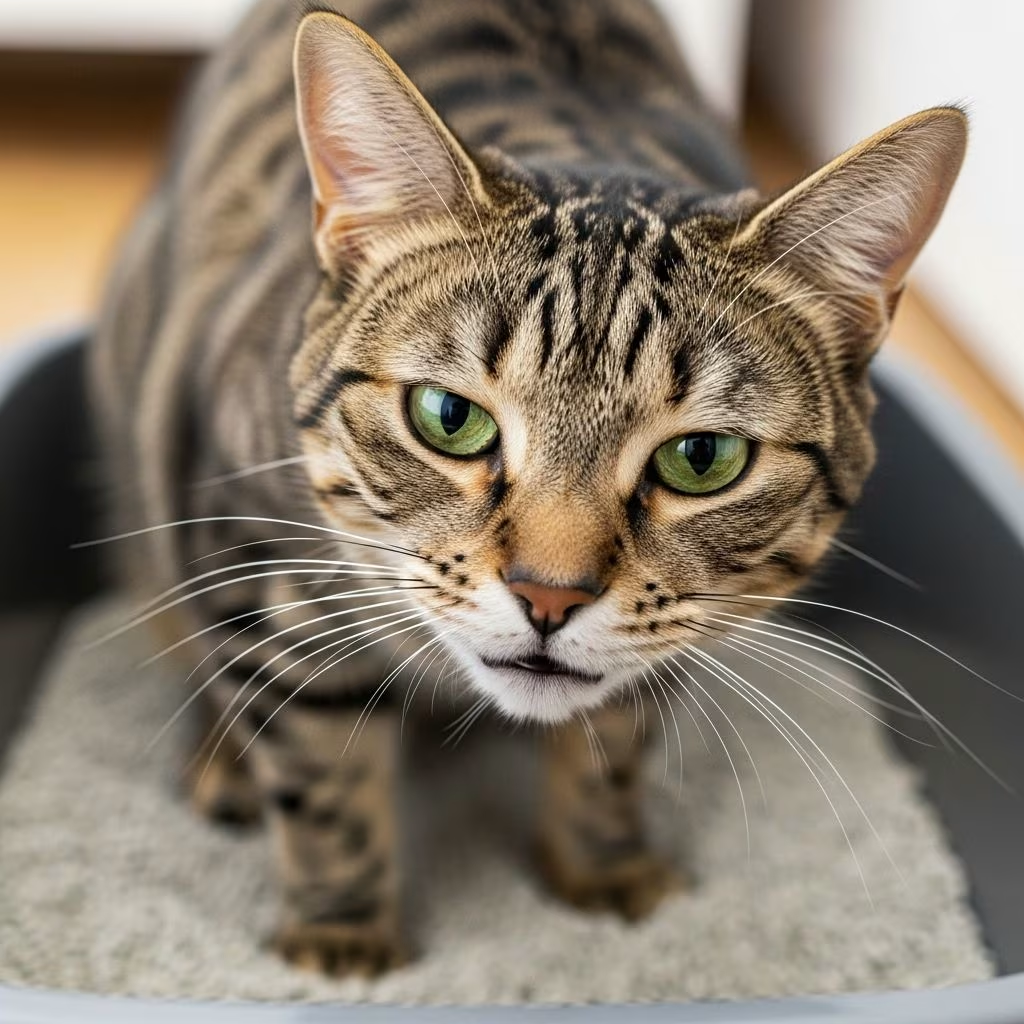
Cats often display subtle facial expressions during elimination, such as pursing their lips, which can puzzle owners. This behavior typically reflects concentration, mild discomfort, or instinctual responses rather than a serious issue, though persistent signs warrant veterinary attention.
Understanding Feline Facial Cues in the Litter Box
Feline body language extends to the face, where lip movements signal internal states. During defecation, **lip pursing**—a tightening or forward protrusion of the mouth—may indicate focused effort as the cat strains to pass stool. This mirrors human expressions of concentration and stems from the physical demands of elimination.
Cats are naturally private about bathroom habits, rooted in wild instincts to avoid attracting predators. In domestic settings, owners might notice these cues when observing from afar. Lip pursing differs from lip smacking, which involves repetitive motions often linked to nausea or oral issues. Instead, it’s a static hold, aligning more with effortful tasks like grooming or hunting focus.
Common Reasons for Lip Pursing While Pooping
Several benign factors explain this habit:
- Straining Effort: Firmer stools require more abdominal pressure, prompting facial tension including pursed lips to aid coordination.
- Concentration Focus: Cats concentrate deeply during vulnerable moments, using facial muscles to steady breathing and maintain balance.
- Instinctual Response: Mimicking predatory jaw clenching, it could prepare for potential threats post-elimination.
- Habituated Behavior: Some cats develop it as a litter box ritual, reinforced by comfort in their environment.
These align with general feline stress signals, where mouth positioning helps regulate emotions without vocalization.
Health-Related Causes to Monitor
While often harmless, lip pursing can flag underlying problems. Key indicators include:
| Potential Issue | Symptoms Alongside Lip Pursing | Action Needed |
|---|---|---|
| Constipation | Straining, small/hard stools, infrequent poops | Increase fiber, consult vet if >48 hours |
| Anal Gland Problems | Scooting, licking rear, blood in stool | Vet expression of glands |
| Gastrointestinal Distress | Diarrhea, vomiting, appetite loss | Immediate vet exam |
| Pain or Dental Issues | Drooling, pawing mouth, weight loss | Oral/dental checkup |
| Stress/Anxiety | Avoiding litter box, hiding, vocalizing | Environmental enrichment |
Dehydration or dietary imbalances exacerbate straining, leading to consistent pursing. Cats with nausea may combine it with lip licking post-defecation.
Distinguishing Normal from Abnormal Patterns
Observe context: Occasional pursing with normal stool output and behavior is likely fine. Abnormal signs include vocal meows of distress, prolonged straining (>1 minute), or avoidance of the litter box. Track frequency using a simple log:
- Daily poops: 1-2 times normal.
- Stool consistency: Soft log ideal; hard pellets signal issues.
- Duration: Under 30 seconds typical.
Video unusual sessions for vets, aiding diagnosis without stress.
Diet and Hydration’s Role in Smooth Elimination
Optimal nutrition prevents straining-related pursing. High-moisture wet foods (70-80% water) outperform dry kibble for hydration, softening stools. Fiber sources like pumpkin (1 tsp daily) promote regularity without laxatives.
Sample Daily Diet for Adult Cat (10lb):
| Meal | Food Type | Portion |
|---|---|---|
| Breakfast | Wet food + water | 3oz |
| Lunch | Dry kibble | 1/4 cup |
| Dinner | Wet food w/ pumpkin | 3oz |
| Snacks | Freeze-dried treats | 5 pieces |
Ensure multiple fresh water sources; fountains encourage drinking. Transition diets gradually over 7-10 days to avoid upset.
Litter Box Setup for Comfortable Habits
Stress-free elimination reduces facial tension. Ideal setup:
- Box Type: Uncovered, low-sided for easy access.
- Litter: Unscented clumping, 2-3 inches deep.
- Location: Quiet, private, away from food.
- Quantity: n+1 rule (e.g., 2 cats = 3 boxes).
- Cleaning: Scoop daily, full change weekly.
Poor setups heighten anxiety, amplifying pursing as a displacement cue.
When to Consult a Veterinarian
Seek professional help if:
- No poop in 48+ hours.
- Blood, mucus, or worms visible.
- Lip pursing with lethargy, weight loss, or appetite changes.
- Recent diet/environment shifts coincide with behavior.
Vets may recommend exams, fecal tests, or imaging. Early intervention prevents issues like megacolon.
Behavioral Insights from Feline Vocal and Facial Signals
Broaden understanding with related cues. Lip pursing parallels chattering during prey excitement, blending jaw tension with focus. Purring during pooping might self-soothe, even amid mild discomfort. Yowling signals acute pain, contrasting silent pursing.
Holistic reading of ears (forward=relaxed), tail (still=focused), and posture reveals full context.
Owner Strategies to Minimize Discomfort
- Probiotics for gut health (vet-approved strains).
- Exercise via toys to stimulate digestion.
- Pheromone diffusers for stress reduction.
- Regular weigh-ins and stool checks.
These foster natural habits, diminishing unnecessary pursing.
FAQs on Cat Lip Pursing While Pooping
Is lip pursing always a sign of pain?
No, it often reflects normal straining. Pair with other symptoms for concern.
How can I tell if my cat is constipated?
Look for hard/small stools, straining, or infrequency. Hydrate and fiber-boost first.
Does breed affect this behavior?
Persians/flat-faced breeds may strain more due to anatomy; monitor closely.
Should I intervene during pooping?
Observe discreetly; intervention stresses them. Clean post-use.
Can stress alone cause it?
Yes, anxiety manifests as tense expressions. Enrich environment.
Long-Term Health Monitoring Tips
Integrate litter box checks into routines. Apps track habits, alerting anomalies. Annual vet wellness includes anal gland/fecal reviews. Proactive care ensures pursing remains a quirk, not a red flag.
References
- What It Means When Your Cat Is Smacking Their Lips — PetPlace.com. 2023-05-15. https://www.petplace.com/article/cats/diseases-conditions-of-cats/what-it-means-when-your-cat-is-smacking-her-lips
- 9 Cat Noises and What They Mean — PetMD. 2024-02-10. https://www.petmd.com/cat/general-health/cat-noises
- Your Cat’s Language: What Meows, Chirps and Yowls Mean — IAMS. 2023-11-20. https://www.iams.com/cat/cat-articles/your-cats-language-what-meows-chirps-and-yowls-mean
- 10 Reasons Why Cats Smack Their Lips — Cats.com. 2024-01-05. https://cats.com/reasons-why-cats-smack-their-lips



