

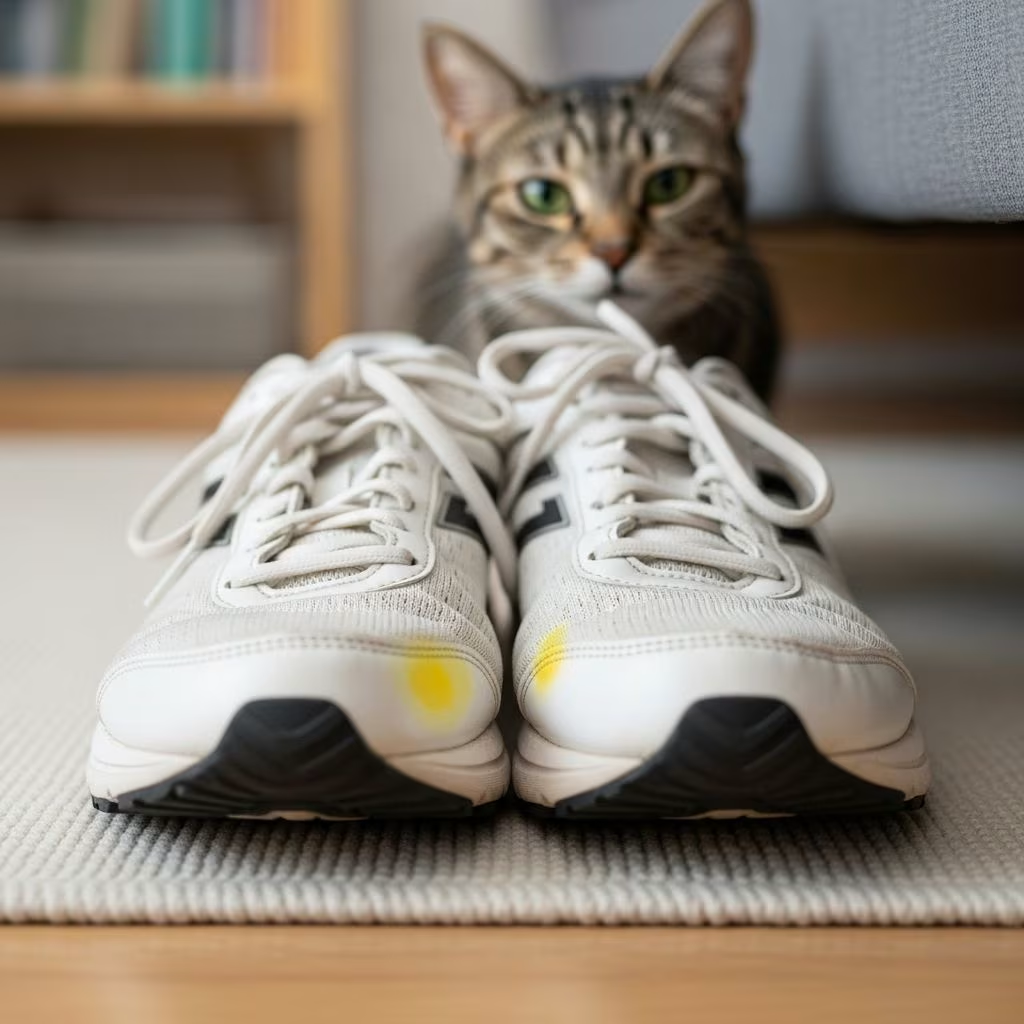
Many cat owners face the frustrating discovery of urine-soaked shoes, a behavior that disrupts households and raises concerns about their pet’s well-being. This issue often stems from instinctual responses, environmental factors, or health concerns rather than spite. Understanding the triggers empowers owners to implement targeted solutions, restoring litter box loyalty and shoe safety.
Decoding Feline Urinary Habits
Cats communicate through scent, and urine plays a key role in marking territory or signaling distress. Unlike random accidents, peeing on shoes typically involves squatting and depositing a puddle, distinct from vertical spraying. Shoes attract attention due to their absorbent materials and placement near entryways, where outdoor scents linger. Recognizing patterns—such as timing or specific footwear—helps pinpoint causes.
Health-Related Triggers for Inappropriate Urination
Medical conditions top the list of reasons cats abandon litter boxes for shoes. Painful urination from infections prompts cats to seek soft, accessible spots. Common culprits include:
- Urinary tract infections (UTIs): Bacteria cause inflammation, leading to frequent, urgent needs outside the box.
- Bladder stones or crystals: These irritate the tract, mimicking similar symptoms.
- Kidney disease: Older cats experience diluted urine and increased volume, overwhelming box capacity.
- Diabetes: Excess sugar in urine boosts production, causing overflow accidents.
- Arthritis: Mobility limits access to high-sided boxes, favoring low shoes.
A veterinary exam, including urinalysis and bloodwork, rules out these issues early. Treatments range from antibiotics for infections to dietary changes for crystals, often resolving behavior swiftly.
Stress and Environmental Disruptions
Cats thrive on predictability; disruptions provoke anxiety-fueled marking. Shoes, carrying novel odors from streets or other animals, become invasion sites warranting reclamation. Triggers include:
- New household members, pets, or visitors introducing unfamiliar smells.
- Routine shifts like feeding time changes or furniture rearrangements.
- External noises from construction, fireworks, or neighborhood strays.
- Household tensions, such as multi-cat rivalries over resources.
Symptoms beyond shoe incidents include hiding, aggression, or over-grooming. Pheromone products mimicking calming scents reduce tension, while consistent routines rebuild security.
Litter Box Aversions and Setup Flaws
Even healthy, calm cats avoid poorly maintained boxes. Ideal setups feature one box per cat plus one extra, scooped daily, in quiet, low-traffic spots away from food. Problems arise from:
| Issue | Signs | Solutions |
|---|---|---|
| Dirty boxes | Overflowing waste, strong ammonia smell | Scoop twice daily; full change weekly |
| Wrong litter type | Avoidance, paw irritation | Switch to unscented clumping clay or alternatives |
| Poor location | Box near noisy appliances | Relocate to private, accessible areas |
| Inadequate number | Competition in multi-cat homes | Add boxes in separate zones |
Litter allergies to dust, perfumes, or textures cause sneezing or paw licking, prompting shoe alternatives. Experiment with hypoallergenic options patiently.
Territorial Marking in Multi-Pet Homes
In shared spaces, hierarchy battles manifest as targeted urination. Dominant cats mark valued items like shoes to assert control, while subordinates avoid contested boxes. Monitor via cameras to identify culprits. Remedies involve resource separation:
- Dedicated feeding stations and beds per cat.
- Vertical spaces like shelves for personal territories.
- Rotation of toys to prevent guarding.
Neutering/spaying curbs hormone-driven marking in 90% of cases, though stress persists post-procedure.
Effective Cleaning and Odor Neutralization
Residual scents lure repeat offenses; standard cleaners fail against urine’s proteins. Enzymatic formulas break down molecules, eliminating attractants. Steps:
- Blot excess urine with paper towels.
- Saturate with enzymatic spray; let sit 10-15 minutes.
- Rinse and dry thoroughly; repeat for porous shoes.
- For fabrics, add baking soda and vinegar soak pre-treatment.
Avoid ammonia, which mimics urine smell. Discard irreparably soiled items to prevent reinforcement.
Deterrence Strategies and Home Modifications
Prevent access while addressing roots:
- Store shoes in closed cabinets or laundry hampers.
- Apply citrus or motion-activated sprays around storage.
- Line floors with double-sided tape or foil, textures cats disdain.
- Boost enrichment via puzzle feeders, wand toys, and perches to curb boredom.
Never punish; it heightens stress, worsening habits.
Step-by-Step Resolution Plan
Systematic action yields results in 4-6 weeks:
- Day 1: Vet visit for health clearance.
- Week 1: Optimize litter setup; deep-clean incidents.
- Ongoing: Secure shoes, introduce pheromones, enrich daily.
- Monitor: Log incidents; adjust as needed.
- If stalled: Consult certified behaviorist.
Track via journal for patterns.
Breed and Age Considerations
Kittens learn via observation; stress or incomplete training leads to shoe mishaps—reinforce with positive box rewards. Seniors face arthritis or cognitive decline, needing low-entry boxes. Breeds like Siamese vocalize distress loudly alongside marking.
Long-Term Harmony Maintenance
Post-resolution, sustain via annual vet checks, routine upkeep, and stressor vigilance. Vacations or moves demand preemptive pheromone use and extra boxes. Early cues like sniffing shoes signal intervention.
Frequently Asked Questions
Why target my shoes specifically?
Your scent dominates personal footwear, amplified by external odors, making them prime marking canvases.
Does neutering fully resolve this?
It halts 90% of spraying in males but not stress or medical-driven peeing—combine with other fixes.
How to permanently remove shoe odors?
Enzymatic cleaners followed by sun-drying; replace if fabric retains scent.
Is this common in kittens?
Yes, from training gaps or intimidation; vet check and consistent guidance help.
What if multiple cats are involved?
Separate resources and observe dynamics; microchip boxes aid identification.
References
- Why Does My Cat Pee on My Shoes? Causes and Solutions — Alibaba Cat Lovers. 2023. https://catlovers.alibaba.com/question/why-does-my-cat-pee-on-my-shoes
- Cats Peeing on Shoes: 7 Vet Reviewed Reasons & How to Stop It — Catster. 2024-01-15. https://www.catster.com/cat-behavior/cats-peeing-on-shoes/
- Why cats pee in our shoes — Way of Cats. 2022-05-20. https://www.wayofcats.com/blog/dear-pammy-is-it-true-about-cats-and-shoes/2856



