

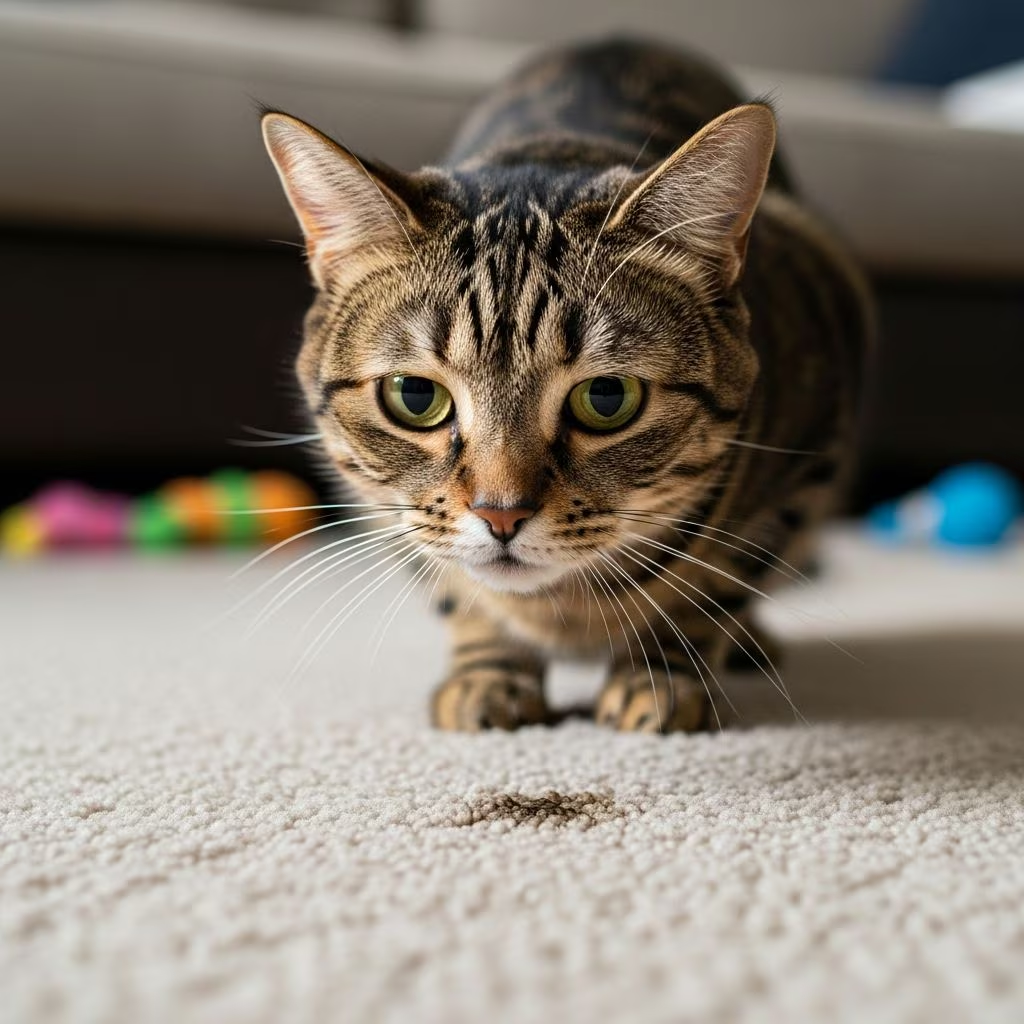
Cats urinating on carpets signal underlying problems ranging from health concerns to environmental dislikes. Addressing these promptly prevents recurrence and maintains household harmony.
Recognizing the Signs of Inappropriate Urination
Inappropriate urination, where cats eliminate outside designated areas, ranks among the top behavioral complaints from owners. Carpets attract this behavior due to their soft texture and absorbency, mimicking natural substrates. Unlike spraying, which involves vertical surfaces and small urine amounts for marking territory, carpet puddles indicate full bladder voids, often linked to discomfort or dissatisfaction.
Observe patterns: sudden onset suggests medical urgency, while gradual shifts point to lifestyle changes. Persistent incidents despite interventions warrant professional evaluation to differentiate between voluntary avoidance and involuntary lapses.
Health Conditions Triggering Carpet Accidents
Medical factors top the list of reasons cats bypass litter boxes. Urinary tract infections cause burning sensations, leading felines to seek painless alternatives like flat carpets. Bladder inflammation (cystitis), stones, or crystals exacerbate urgency and pain, prompting immediate relief anywhere convenient.
Systemic diseases play roles too. Diabetes increases urine volume, overwhelming box capacity. Kidney dysfunction or hyperthyroidism similarly boosts output, while arthritis hinders access to distant or elevated boxes. Elderly cats may struggle with mobility, opting for nearby soft spots.
- Urinary tract infections: Frequent small voids with straining.
- Bladder stones/crystals: Blood in urine, vocalizing during elimination.
- Diabetes/kidney disease: Excessive thirst, weight loss alongside accidents.
- Arthritis: Reluctance to jump into boxes, stiffness.
Veterinary diagnostics include urinalysis for bacteria, crystals, glucose; blood panels for organ function; and imaging if needed. Early treatment—antibiotics, diet changes, pain management—often resolves issues swiftly.
Environmental Stressors and Anxiety Effects
Cats thrive on routine; disruptions provoke stress responses, including elimination outside boxes. New pets, household moves, renovations, or added family members unsettle territories, causing anxiety-driven avoidance.
Inter-cat conflicts manifest subtly: bullying leads to one cat shunning shared boxes. Even subtle changes like rearranged furniture alter safe zones, amplifying unease. Sensitive natures mean minor shifts, such as louder appliances, suffice to trigger regressions.
Symptoms extend beyond carpets: hiding, appetite loss, aggression. Pheromone diffusers (e.g., Feliway) mimic calming signals, reducing tension. Gradual introductions via scent swapping and supervised meetings ease multi-pet dynamics.
Litter Box Aversions and Setup Flaws
Fastidious cats reject suboptimal facilities. Dirty boxes repel due to odor buildup; scoop daily, fully refresh weekly. Covered designs trap smells, deterring entry; opt for open, spacious models allowing full turns.
Litter type matters: clumping clay suits most, but textures vary preferences—fine grains mimic soil, scented options irritate. Box size scales with cat dimensions; seniors need low-entry ramps. Placement avoids high-traffic, noisy spots; privacy encourages use.
| Common Litter Box Issues | Solutions |
|---|---|
| Too small or high-sided | Large, low-entry boxes |
| Infrequent cleaning | Scoop daily, dump weekly |
| Undesired litter/scent | Test unscented, fine clumping varieties |
| Poor location | Quiet, accessible, low-traffic areas |
Multi-cat homes require one box per cat plus one extra, dispersed to minimize competition.
Territorial Marking vs. True Accidents
Unaltered cats mark via spraying, but carpet soaking often blends with elimination issues. Intact males/females establish dominance, urine’s pungent ammonia reinforcing claims. Neutering/spaying curbs 90% of cases by curbing hormones, alongside health perks like cancer prevention.
Post-procedure, residual habits fade with cleaning and redirection. Females in heat or males patrolling outdoors bring scents indoors, prompting indoor counterparts to counter-mark.
Effective Cleaning Strategies for Carpets
Residual odors lure repeats; standard cleaners fail by leaving proteins intact. Enzymatic formulas digest uric acid, neutralizing scents cats detect. Saturate stains, let dwell per instructions, blot excess, air dry.
Avoid ammonia/bleach—they mimic urine, inviting returns. For persistence, repeat applications or black lights reveal hidden spots. Baking soda absorbs moisture post-cleaning; vacuum thoroughly.
- Act fast: Blot, don’t rub, to limit spread.
- Enzymatic cleaners: Nature’s Miracle or equivalents.
- Prevent access: Aluminum foil or plastic covers deter during retraining.
Step-by-Step Resolution Plan
- Vet check: Rule out illness first.
- Clean thoroughly: Eliminate attractants.
- Upgrade boxes: Multiple, ideal setups.
- De-stress: Pheromones, enrichment.
- Monitor progress: Log incidents, adjust.
Consistency yields results in weeks; patience avoids punishment, which heightens anxiety.
Long-Term Prevention Tactics
Sustain fixes with vigilance. Routine health screens catch emerging issues. Enrich environments: vertical spaces, toys, windows reduce boredom-induced stress. Diet impacts urine pH; prescription foods manage crystals.
Track via apps or journals. Multiple boxes in varied locations accommodate preferences. Feliway collars/multiple diffusers maintain calm in dynamic homes.
Common Myths Debunked
Myth: Cats do it for spite. No—it’s communication of discomfort.
Myth: Punishment works. It worsens fear, perpetuating cycles.
Myth: One box suffices always. Multiples prevent disputes.
Frequently Asked Questions
Why does my cat pee on the carpet but poop in the box?
Separate issues: urine ties to pain/urgency; feces less affected. Vet exam essential.
How long until habits change?
1-4 weeks post-intervention; persistence signals deeper problems.
Will declawing help?
No—unrelated to elimination; causes stress worsening behavior.
What if two cats share a home?
Extra boxes, no sharing; watch for bullying signs.
Can diet influence this?
Yes—wet food hydrates, reduces crystals; consult vet for tailored plans.
Expert Insights on Feline Habits
Veterinary behaviorists emphasize holistic approaches: 80% of cases blend medical/behavioral roots. Cornell Feline Health Center notes house soiling’s prevalence, urging tailored diagnostics. Patience and empathy outperform quick fixes.
References
- Cat Peeing on Carpet Instead of Litter Box: Causes and Solutions — UAH Pet. 2023. https://www.uahpet.com/blogs/post/cat-peeing-on-carpet-instead-of-litter-box-causes-and-solutions
- Top 10 Ways to Stop Your Cat from Peeing Outside the Litter Box — PetMD. 2023. https://www.petmd.com/cat/general-health/top-10-ways-stop-your-cat-peeing-outside-litter-box
- How To Stop a Cat From Peeing on the Carpet — Cats.com. 2023. https://cats.com/how-to-stop-a-cat-from-peeing-on-the-carpet
- Feline Behavior Problems: House Soiling — Cornell University College of Veterinary Medicine. 2024-01-15. https://www.vet.cornell.edu/departments-centers-and-institutes/cornell-feline-health-center/health-information/feline-health-topics/feline-behavior-problems-house-soiling



