

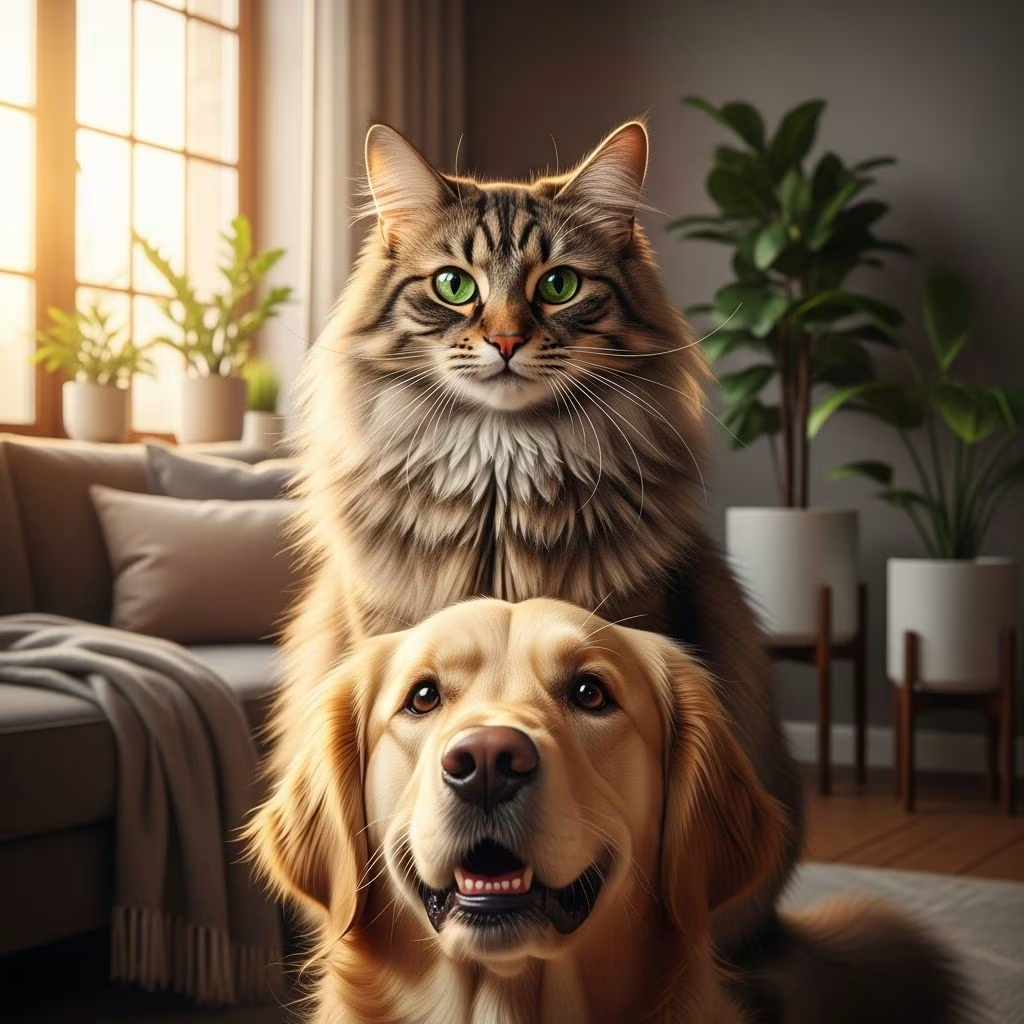
Cats provide effortless companionship with minimal demands on time, space, and resources, making them the ideal choice for busy modern lifestyles over high-maintenance dogs.
The Allure of Feline Independence
One of the standout traits of cats is their remarkable self-sufficiency, allowing owners to enjoy pet ownership without constant supervision. Unlike dogs, which crave ongoing interaction and can suffer from separation anxiety, cats thrive on their own terms. They entertain themselves with toys or simple environmental stimuli, reducing the risk of destructive behavior when left alone. This independence suits professionals with demanding schedules or frequent travelers, as cats rarely demand attention on a rigid timetable.
Research highlights how this autonomy fosters healthier owner-pet dynamics. A study involving Mexican pet owners found that relationships with cats scored higher overall due to lower perceived costs and fewer restrictions on daily activities. Participants reported spending quality time with cats through casual stroking or brushing, yet felt less burdened by responsibilities compared to dog care. This balance contributes to sustained satisfaction without burnout.
Effortless Grooming and Hygiene Habits
Cats are nature’s self-cleaning machines, dedicating hours daily to meticulous grooming that keeps their coats sleek and odor-free. This innate behavior minimizes owner intervention—no frequent baths or professional grooming sessions required, unlike many dog breeds with thick fur or skin issues. Their litter box training is instinctive, often mastered early without extensive housebreaking efforts that dogs demand.
This low-hygiene upkeep translates to cleaner homes and less mess. Cats produce minimal waste compared to dogs’ larger outputs, and their fastidious nature prevents the tracking of dirt indoors. For allergy sufferers, certain cat breeds shed less and produce fewer allergens, offering a practical edge in compact living spaces.
Space-Saving Companions for Urban Dwellers
In an era of rising apartment living, cats’ compact size and indoor adaptability shine. They don’t require expansive yards or daily leashed outings, fitting seamlessly into studios or high-rises with vertical spaces like cat trees or shelves. Dogs, by contrast, often need room to roam, leading to challenges in restricted environments.
| Aspect | Cats | Dogs |
|---|---|---|
| Ideal Living Space | Apartments, small homes | Houses with yards |
| Outdoor Access Needed | Minimal (indoor OK) | Daily walks essential |
| Size Flexibility | Generally small | Varies widely, often large |
This table illustrates how cats adapt to urban constraints, promoting a stress-free coexistence without the logistical hurdles of dog accommodations.
Relaxed Fitness Routines Over Rigorous Exercise
Cats embody a laid-back approach to activity, needing only short play sessions with feathers, lasers, or balls to stay fit. This suits sedentary owners or those preferring indoor entertainment over obligatory neighborhood jogs. Dogs enforce an active routine through walks and play, which benefits fitness but demands consistency that not everyone can maintain.
While dog ownership boosts cardiovascular health via enforced movement, cats encourage gentle engagement that aligns with relaxed lifestyles. Owners report less guilt over missed “exercise time,” as cats self-regulate their energy bursts, preventing owner fatigue.
Cost-Effective Ownership Without Sacrificing Joy
Financially, cats win with lower expenses on food, supplies, and veterinary care. Their smaller appetites mean cheaper kibble, and fewer grooming needs cut ancillary costs. Routine vet visits focus on vaccinations and spaying/neutering, sidestepping the orthopedic issues common in larger dogs.
- Food Costs: Cats eat 20-30% less volume than average dogs.
- Litter vs. Waste Management: Simple scooping beats bagging and walking.
- Training Expenses: Minimal compared to obedience classes for dogs.
These savings compound over a cat’s longer lifespan—often 15+ years—offering prolonged value without escalating commitments.
Superior Bonding on Equal Terms
Though dogs offer overt loyalty, cats deliver profound attachments through subtle cues like purring, kneading, or slow blinks. Owners perceive stronger overall relationships with cats due to balanced emotional investment. The study noted greater interaction scores for cats, with owners enjoying tactile closeness without the intensity of canine dependence.
Cats choose when to engage, fostering mutual respect rather than obligatory displays. This dynamic builds trust organically, often leading to deeper, less demanding affection.
Health and Wellness Perks Tailored to Cats
Both pets reduce stress and depression, but cats provide unique therapeutic calm. Their purring vibrates at frequencies promoting healing, and their presence lowers blood pressure without high-energy demands. For mental health, cats’ low-pressure companionship combats loneliness effectively, especially for introverts or elderly individuals.
In multi-pet households, cats coexist peacefully with minimal training, unlike dogs’ pack dynamics requiring socialization efforts.
Environmental Footprint of Feline Friends
Cats leave a lighter ecological mark, consuming fewer resources like water and food production. Indoor lifestyles curb wildlife predation issues plaguing free-roaming dogs, aligning with sustainable pet ownership.
FAQs: Cats vs. Dogs Debated
Are cats really lower maintenance than dogs?
Yes, cats demand less daily time for exercise, grooming, and outings, ideal for busy owners.
Do cats provide as much emotional support?
Studies show cat relationships score higher overall, balancing closeness with low costs.
Can cats live happily in apartments?
Absolutely, their small size and indoor preferences make them perfect for urban settings.
Which pet is better for families with kids?
Cats offer gentle playmates with less rowdiness, though supervision is key.
What about allergies—cats or dogs?
Hypoallergenic cat breeds exist, and their grooming reduces dander spread.
Choosing Your Perfect Feline Match
Ultimately, cats excel for those valuing freedom, affordability, and serene companionship. Assess your routine: if independence appeals over structured devotion, a cat transforms any space into a haven of quiet joy. Shelters brim with personalities awaiting adoption, proving these virtues accessible to all.
References
- The Pros And Cons Of Owning A Cat Vs A Dog — The Natural Dog Online. 2023. https://www.thenaturaldogonline.com/content/the-pros-and-cons-of-owning-a-cat-vs-a-dog
- Pet–Human Relationships: Dogs versus Cats — PMC – NIH. 2021-09-22. https://pmc.ncbi.nlm.nih.gov/articles/PMC8470704/
- Cats vs. Dogs: which is the better pet? — Justin Gregg Substack. 2023. https://justingregg.substack.com/p/cats-vs-dogs-which-is-the-better
- The Great Debate: Cats vs. Dogs — TICA. 2024. https://tica.org/blogs/the-great-debate-cats-vs-dogs/
- Health Benefits of Furry Family Members — Blue Buffalo. 2023. https://www.bluebuffalo.com/articles/pets/health-benefits-of-furry-family-members/



