

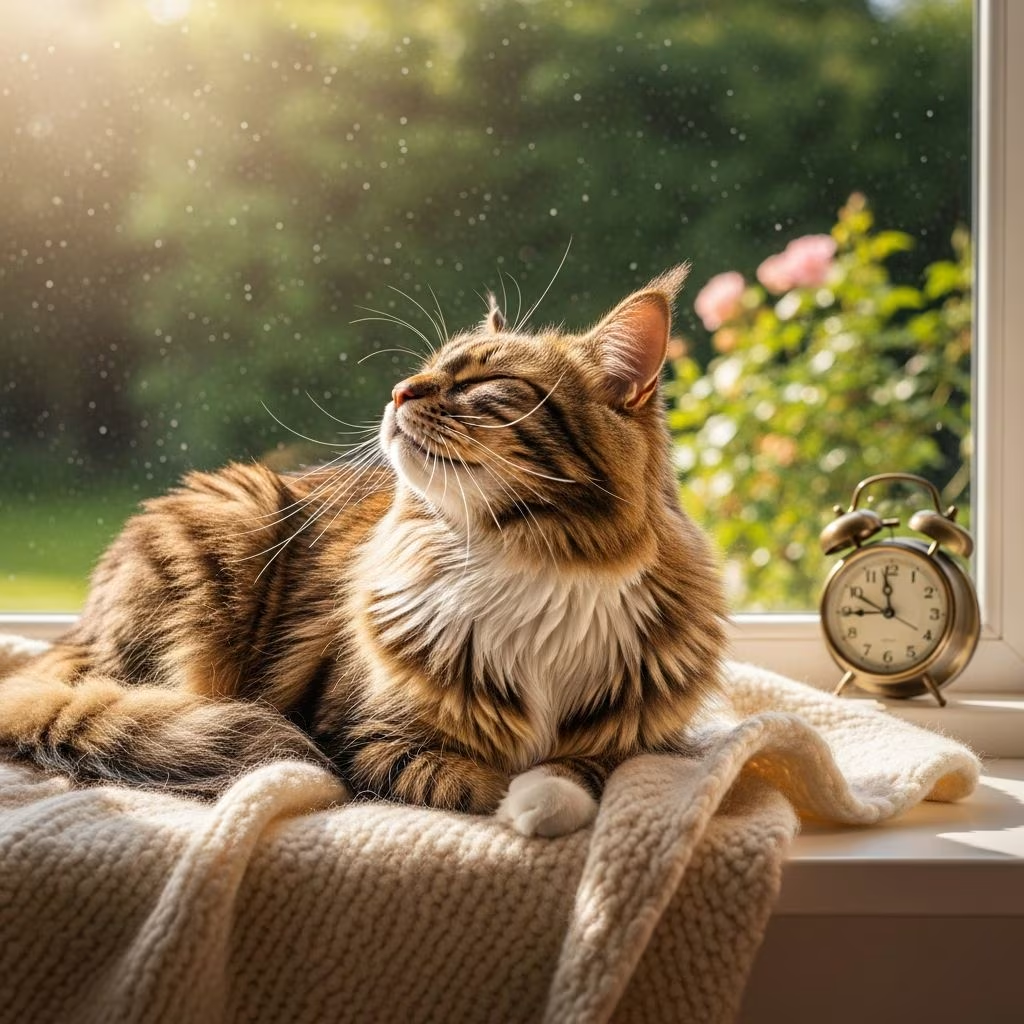
Cats often rest in an upright position with their head elevated, paws tucked neatly beneath them, resembling a small loaf of bread. This posture, known among cat enthusiasts as the “loaf” position, balances relaxation with readiness, rooted in their evolutionary need for vigilance even during rest periods.
The Instinctual Roots of Upright Resting
Feline ancestors in the wild faced constant threats from predators and rival animals, necessitating sleep patterns that allowed quick escapes or defenses. Domestic cats inherit this trait, opting for light dozes where muscles remain somewhat engaged. In the loaf pose, the head stays lifted to monitor surroundings, ears twitching at subtle noises, ensuring survival instincts persist in safe homes.
This position minimizes vulnerability by keeping paws accessible for instant pouncing while conserving energy. Observations from veterinary behaviorists note that cats in this stance enter a semi-alert state, not full slumber, enabling rapid awakening.
Decoding the Loaf: Signs of Comfort and Caution
When your cat adopts the loaf, it signals moderate trust in its environment. The tucked limbs protect the belly, a sensitive area, while the upright head grants panoramic awareness. This is ideal for short naps in open spaces like windowsills or sofas, where cats can bask in warmth yet stay observant.
- Relaxed yet ready: Body heat preserved, claws deployable.
- Environmental scan: Eyes may half-close, but senses remain sharp.
- Temperature regulation: Compact form traps warmth on cooler days.
Unlike deep sleep curls, loafing indicates contentment without total surrender, perfect for cats balancing playfulness and repose.
Variations in Feline Repose Postures
Cats exhibit diverse sleeping styles, each revealing mood or needs. Understanding these helps owners foster better well-being.
| Position | Meaning | Trust Level | Best Environment |
|---|---|---|---|
| Loaf (Head Up) | Alert rest, warmth conservation | Moderate | Open, warm spots |
| Fully Curled | Deep security, heat retention | High in safe zones | Enclosed beds |
| Belly Exposed | Utter relaxation, bond display | Very High | Near trusted humans |
| Half-Open Eyes | Predatory vigilance | Low to Moderate | High-traffic areas |
| Sitting Upright | Heightened anxiety, quick response prep | Low | Elevated perches |
These postures shift with context; a loaf near you shows affection, while isolated ones might indicate stress.
Affectionate Naps: Sharing Your Space
Many cats choose owner-adjacent spots for rest, amplifying bonds. Head-elevated loafs atop pillows or chests combine security with proximity, mirroring wild social grooming clusters. Your steady breathing and warmth mimic littermate safety.
Preferences vary: some favor head regions for pillow softness and minimal movement, others legs for subtle heat. This choice underscores your role as protector, with studies affirming cats view bonded humans as family equivalents.
Distinguishing Normal from Concerning Patterns
While loafing is benign, persistent exclusivity to this pose, paired with wide-legged stances or labored breaths, warrants attention. Respiratory challenges from cardiac or pulmonary issues can favor upright positions for easier airflow. Lethargy, appetite loss, or neck straining amplify urgency.
- Observe duration: Occasional loafing is fine; constant may signal discomfort.
- Check breathing: Noisy or rapid rates need evaluation.
- Monitor activity: Reduced play or grooming prompts vet visits.
Early intervention via professional exams, possibly imaging or bloodwork, prevents escalation.
Optimizing Your Cat’s Rest Environment
Enhance loafing comfort with strategic setups. Elevated platforms satisfy perch instincts, soft bedding invites longer relaxes, and quiet zones reduce disruptions. Rotate locations to prevent overuse injuries, ensuring variety matches posture needs.
Maintain 12-16 daily sleep hours for adults, adjusting for kittens or seniors. Temperature control around 70-80°F supports natural thermoregulation.
Daily Rhythms and Sleep Cycles
Cats follow crepuscular patterns, peaking activity at dawn/dusk, filling days with polyphasic naps. Loafing fits midday lulls, bridging hunts. Disruptions like loud homes trigger more upright alerts, emphasizing routine stability.
Breed and Age Influences on Postures
Breeds like Abyssinians favor active loafs due to energy, while Persians curl more from brachycephalic airways. Kittens sprawl openly, seniors stiffen into uprights from arthritis, guiding tailored care.
FAQs
Is head-up sleeping painful for cats?
No, it’s a voluntary, comfortable stance for light rest, supported by muscle memory from instincts.
Why does my cat loaf only on me?
It signifies deep trust, seeking your warmth and security as a safe haven.
When should I worry about loafing?
If accompanied by breathing issues, weakness, or refusal to eat, consult a vet promptly.
Can I encourage more relaxed sleeping?
Yes, provide cozy enclosures, consistent schedules, and pheromone diffusers for security.
Do all cats loaf the same way?
Variations exist; some extend paws slightly, others hunch tighter based on mood or health.
Enhancing Feline Wellness Through Observation
Tracking sleep offers wellness windows, from joy in playful sprawls to alerts in rigid poses. Integrate this with feeding, play, and checkups for holistic care, strengthening your feline partnership.
References
- Cat Sleeping Positions and What They Mean — The Refined Feline. 2023. https://www.therefinedfeline.com/cat-sleeping-positions-and-what-they-mean/
- 11 Cat Sleeping Positions & The Meaning Behind Them — TotalVet. 2024-01-15. https://total.vet/cat-sleeping-positions/
- 20 Cat Sleeping Positions and What They Mean — PetMD. 2025-03-10. https://www.petmd.com/cat/general-health/cat-sleeping-positions-and-what-they-mean
- 10 Cat Sleeping Positions: What Do They Mean? — Purina US. 2024-06-20. https://www.purina.com/articles/cat/behavior/understanding-cats/cat-sleeping-positions
- How Is My Cat Sleeping with Their Head Up? Vet-Reviewed Facts — Catster. 2025-08-05. https://www.catster.com/cat-behavior/how-is-my-cat-sleeping-with-their-head-up/



