

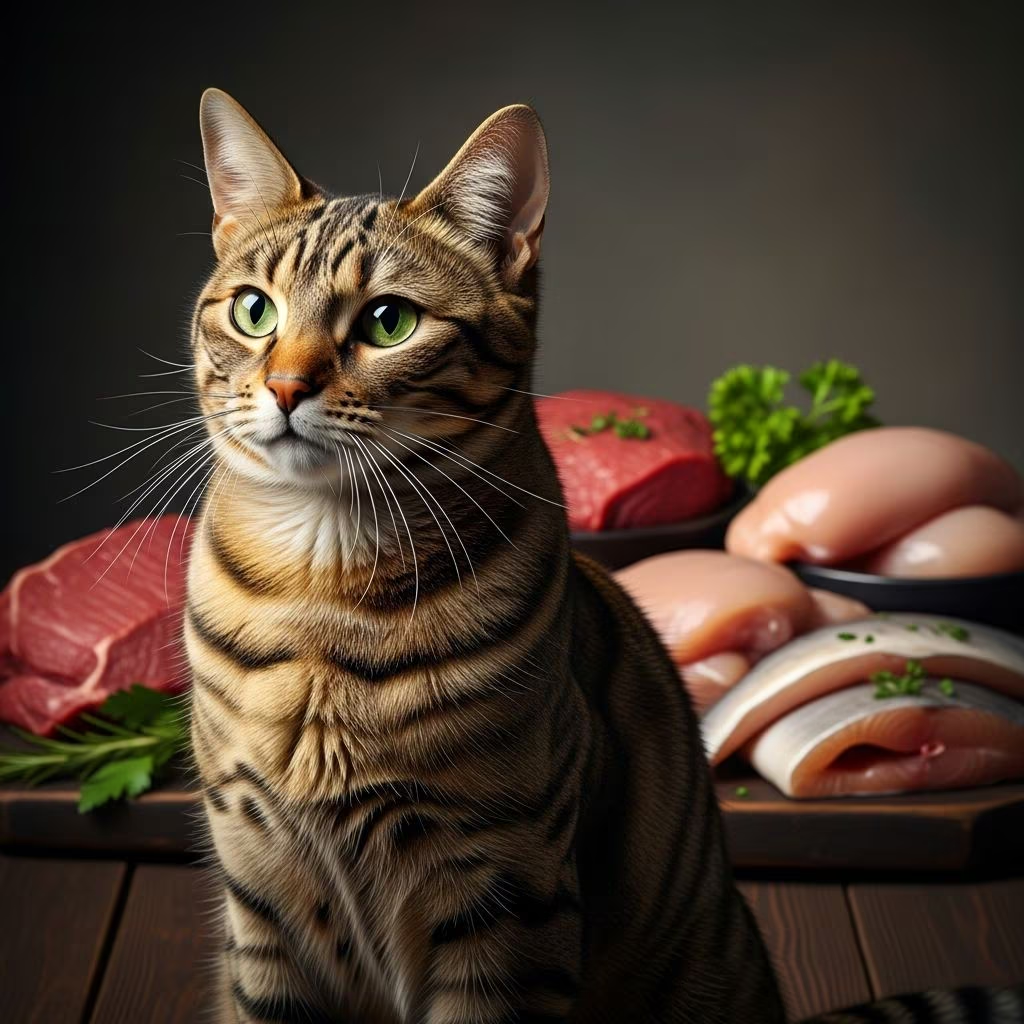
Cats belong to a unique group of animals known as obligate carnivores, meaning their survival depends entirely on consuming animal tissues. Unlike dogs or humans, who can adapt to varied diets, cats have evolved specific physiological traits that make meat indispensable for their health.
The Biological Imperative of Meat for Cats
Obligate carnivores derive all necessary nutrients from animal sources, as their bodies cannot efficiently process plant matter. This term, derived from ‘obligate’ meaning biologically essential, underscores that cats must eat meat to thrive. Their ancestry as hunters has shaped a metabolism reliant on high-protein, animal-based foods.
Cats’ short digestive tracts are optimized for rapid breakdown of proteins and fats from prey, not fibrous plants. Sharp canines and carnassial teeth enable them to tear flesh efficiently, reflecting millions of years of predatory evolution.
Key Nutrients Exclusive to Animal Tissues
Several vital compounds are pre-formed in meat, which cats cannot synthesize. These include:
- Taurine: An amino acid crucial for heart function, vision, and reproduction. Deficiency leads to blindness, heart disease, and death.
- Arginine: Essential for liver detoxification and urea cycle. Without it, cats suffer ammonia buildup, causing rapid illness.
- Vitamin A (retinol): Cats cannot convert plant carotenoids into usable form, requiring animal liver and tissues.
- Vitamin D (cholecalciferol): More efficiently absorbed from animal sources than plant ergocalciferol; cats also don’t produce it from sunlight.
- Niacin and other B vitamins: Abundant in organs like liver, preventing deficiencies seen in plant-fed cats.
These nutrients highlight why plant-based diets fail cats, as vegetables like carrots or spinach provide unusable forms.
Metabolic Adaptations Unique to Felines
Cats exhibit hypercarnivory, with protein needs far exceeding other carnivores. They meet energy via gluconeogenesis from amino acids, not carbohydrates, and cannot downregulate protein use. Insufficient intake prompts muscle catabolism.
| Nutrient/Feature | Cats (Obligate Carnivores) | Dogs (Omnivores) | Humans (Omnivores) |
|---|---|---|---|
| Protein Requirement | High; primary energy source | Moderate; adaptable | Moderate; carbohydrate-tolerant |
| Carb Tolerance | Low; limited glucose transporters | High; starch digestion | High; diverse diet |
| Taurine Synthesis | None; must ingest | Possible from cysteine | Possible |
| Digestive Tract Length | Short; meat-focused | Longer; varied foods | Long; plant/meat mix |
This table illustrates cats’ strict meat dependency compared to more flexible species.
Evolutionary Roots of Feline Carnivory
All felids, from domestic cats to lions, share obligate carnivore status due to ancestral diets of small prey like mice. A single mouse provides ~23 kcal, matching one of a cat’s 10-20 daily meals. This pattern persists in pets, favoring frequent small feedings.
Unlike facultative carnivores that scavenge plants opportunistically, cats’ enzymes and gut bacteria are meat-specialized. Evolutionary loss of synthesis pathways for meat-provided nutrients confirms their hypercarnivorous niche.
Health Risks of Inadequate Diets
Feeding cats plant-heavy or vegan foods invites deficiencies:
- Cardiomyopathy: Taurine shortage weakens heart muscle.
- Central Retinal Degeneration: Leads to irreversible blindness.
- Hyperammonemia: From arginine lack, causing neurological damage.
- Obesity and Diabetes: Excess carbs exceed cats’ low tolerance threshold.
Organ meats, consumed first by wild cats, supply concentrated nutrients like iron, zinc, and B12, emphasizing whole-prey benefits over muscle meat alone.
Practical Feeding Strategies for Cat Owners
To mimic natural diets:
- Choose high-protein wet foods (>50% animal sources) over dry kibble, which often includes fillers.
- Incorporate variety: muscle meat, organs (10-15%), and bones for raw feeders.
- Avoid carb-heavy treats; opt for freeze-dried meat.
- Monitor weight and stool; adjust for multiple small meals daily.
Commercial foods meeting AAFCO standards ensure taurine supplementation, but reading labels reveals meat as first ingredient.
Common Myths About Cat Nutrition Debunked
Myth 1: Cats can thrive on vegetarian diets. False; genetic makeup demands animal tissues.
Myth 2: Grains provide balanced energy. Cats inefficiently process carbs, risking health issues.
Myth 3: All proteins are equal. Plant proteins lack essential amino acids in bioavailable forms.
Comparing Obligate Carnivores Across Species
Cats join mink, dolphins, eagles, and crocodilians as obligate carnivores, all requiring meat-derived nutrients. Non-mammals like snakes share this trait, evolved from predatory lifestyles.
FAQs
What defines an obligate carnivore?
An animal whose biology requires meat for survival, unable to derive key nutrients from plants.
Can cats eat dog food?
No; lacks sufficient taurine and has higher carbs unsuitable for cats.
Why do cats prefer wet food?
It better matches prey’s moisture content, aiding hydration and digestion.
What happens without taurine?
Blindness, heart failure, and reproductive issues within weeks.
Are raw diets safe?
Yes, if balanced with proper handling to avoid pathogens.
References
- Feline Nutrition – Answers: What Exactly is an ‘Obligate Carnivore?’ — Hare Today. Accessed 2026. https://hare-today.com/feline-nutrition/answers/answers-what-exactly-is-an-obligate-carnivore
- What Does it Mean the Cat is an Obligate Carnivore? — Food Fur Life. Accessed 2026. https://www.foodfurlife.com/what-does-it-mean-the-cat-is-an-obligate-carnivore.html
- Why Cats Are Obligate Carnivores—and What That Means For Their Diet and Hydration — Sam’s Cats and Dogs. Accessed 2026. https://samscatsanddogs.com/everett/blog/why-cats-are-obligate-carnivoresand-what-that-means-for-their-diet-and-hydration
- Why Your Cat is an Obligate Carnivore — RAWZ Natural Pet Food. Accessed 2026. https://rawznaturalpetfood.com/obligate-carnivore-cats/
- Cats: obligate carnivore (Proceedings) — dvm360. Accessed 2026. https://www.dvm360.com/view/cats-obligate-carnivore-proceedings
- Cats are carnivores, so they should eat like one — Texas A&M College of Veterinary Medicine & Biomedical Sciences. Accessed 2026. https://vetmed.tamu.edu/news/pet-talk/cats-are-carnivores-so-they-should-eat-like-one/
- Obligate carnivore — Britannica. Accessed 2026. https://www.britannica.com/science/obligate-carnivore



