

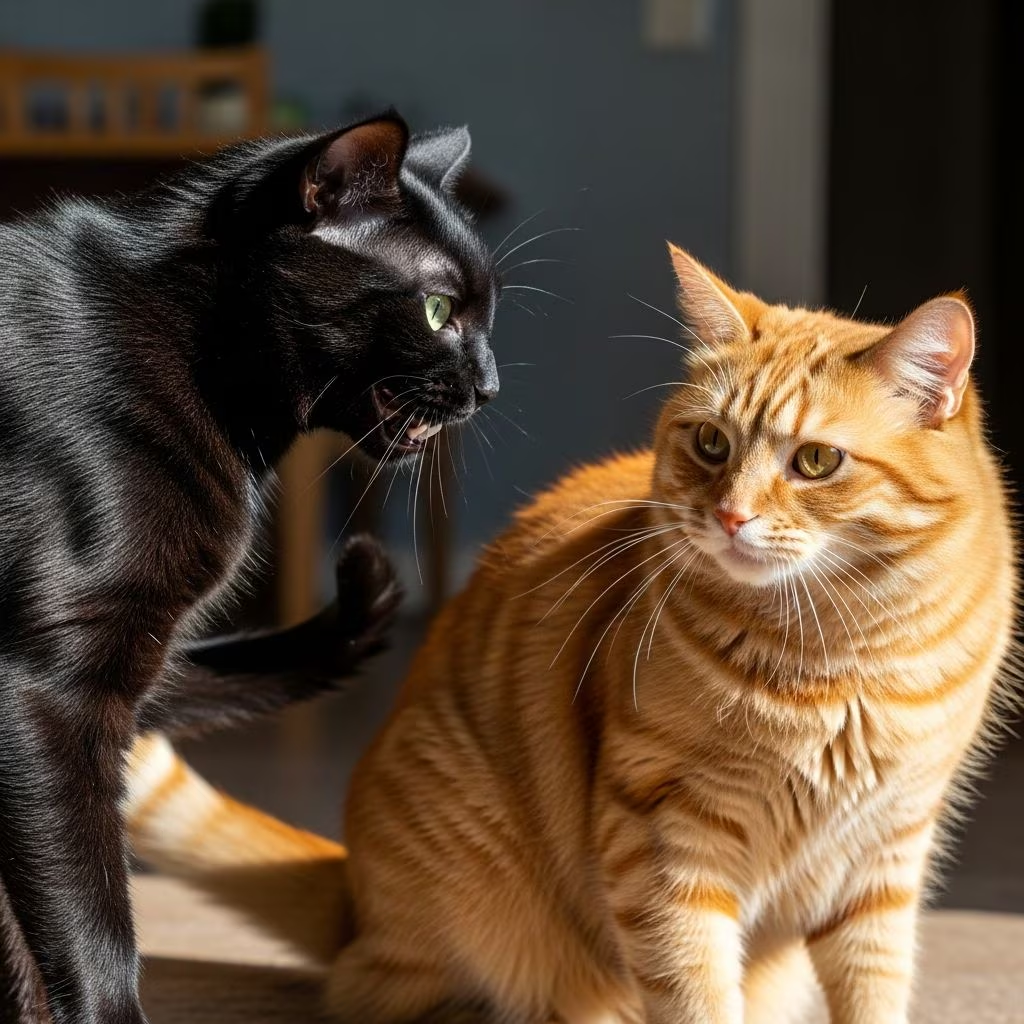
Household cats that have lived harmoniously for years can suddenly turn on each other, leaving owners shocked and distressed. These abrupt conflicts often arise from underlying tensions that escalate into full-blown fights, manifesting as hissing, swatting, chasing, or even injury. Understanding the root causes—such as territorial disputes, fear responses, health issues, or redirected aggression—is crucial for restoring peace.
This comprehensive guide explores the primary reasons cats fight, how to differentiate play from aggression, immediate interventions, and long-term strategies to prevent recurrence. Drawing from veterinary behaviour experts, we’ll equip you with actionable advice to manage multi-cat dynamics effectively.
Signs Your Cats Are Fighting (Not Playing)
Distinguishing playful roughhousing from genuine aggression prevents unnecessary intervention while protecting your cats. Play involves mutual engagement with relaxed body language, while fights feature intense vocalizations and defensive postures.
- Vocalizations: Play features chirps or trills; fights involve growling, yowling, or hissing.
- Body language: Playful cats have forward ears, loose tails, and dilated pupils from excitement; aggressive cats flatten ears, bush tails, and crouch with piloerection (fur standing on end).
- Contact: Play includes gentle bites/pats without claws; fights use embedded claws, hard bites drawing blood, and blocking escapes.
- Duration and intensity: Play sessions are intermittent with breaks; fights escalate rapidly without de-escalation signals like grooming.
- Aftermath: Play ends with relaxed grooming; fights leave hiding, swollen areas, or avoidance.
Observe patterns: if one cat consistently chases or pins the other, it’s likely aggression, not play.
Common Reasons Cats Suddenly Fight
Sudden aggression rarely appears without cause. Cats communicate subtly through stares, tail flicks, or swats long before physical fights. Common triggers include:
- Territorial disputes: Cats claim indoor spaces as territory, especially post-maturity (2-3 years). New introductions or resource competition spark defence.
- Fear-based responses: Timid cats freeze or lash out when cornered, escalating if pursued.
- Redirected frustration: External stressors like outdoor intruders prompt attacks on companions.
- Health/pain issues: Illness lowers tolerance, turning minor annoyances into fights.
- Social incompatibilities: Personality clashes or hierarchy shifts cause ongoing tension.
Territorial Aggression
Territorial aggression targets intruders on a cat’s perceived property, common indoors where cats stake claims on rooms, furniture, or paths. Mature cats (2-3 years+) intensify boundary defence.
Subtle signs include staring or swatting near ‘owned’ areas. Escalation occurs if the recipient flees (triggering chase) or confronts boldly. Impulsive aggressors lunge without warning, preventing peaceful resolutions.
In multi-cat homes, confident cats subdivide space, blocking timid ones from resources and fostering resentment.
Fear-Based Aggression
Fear-motivated fights stem from perceived threats, prompting freeze-flee-fight responses. Innately anxious cats misread neutral approaches as danger.
Initial avoidance (crouched retreat, flattened ears) gives way to hissing or lunging if cornered. Pursuers exploit flight instincts, reinforcing the cycle: fear heightens, aggression solidifies.
Environmental stressors like new pets amplify this, as cats displace frustration onto housemates.
Redirected Aggression
One cat encounters an external trigger (stray cat sighting, vet visit smell) and redirects fury onto a companion, mistaking them for the threat. This explains ‘sudden’ post-event attacks.
Non-recognition aggression occurs when a returned cat carries unfamiliar scents, prompting rejection until reacquainted.
Status-Related Aggression
Cats form loose hierarchies, but shifts via age, neuter status, or resource access spark challenges. Jealousy over owner attention manifests as blocking or shoving.
Not true ‘dominance’ but resource control; monitor for consistent favouritism signs.
Health Issues and Pain
Pain from arthritis, dental disease, or infections lowers thresholds, turning tolerant cats aggressive. Hyperthyroidism or neurological issues also contribute.
Rule out medically first: sudden behaviour changes demand vet exams.
What to Do When Cats Suddenly Start Fighting
Immediate safety first: never physically intervene (risk scratches). Distract with noise (claps, water spray) or barriers (doors, blankets). Separate into rooms for 24-48 hours minimum.
Post-crisis:
- Vet check: Both cats for pain/infection.
- Reintroduction: Gradual, scent-swapping, then supervised visuals with positive treats.
- Environment enrichment:: Vertical space (trees), multiple resources (bowls/trays per cat +1), play outlets.
How to Prevent Cat Fights
Proactive multi-cat management fosters harmony:
- Provide ample resources: litter boxes, beds, scratchers distributed widely.
- Enrich territory: shelves, tunnels for escape routes.
- Equal attention: Prevent resentment.
- Spay/neuter early: Reduces status conflicts.
- Monitor introductions: Slow for new cats.
| Resource | Minimum for N Cats |
|---|---|
| Litter Boxes | N+1, separate locations |
| Food/Water Stations | 2-3 minimum |
| Scratching Posts | 1 per cat +1 |
| Resting Spots | 1 per cat +1 elevated |
Regular play mimics hunting, diffusing tension.
Frequently Asked Questions (FAQs)
Can cats that fight ever get along again?
Yes, with proper intervention. Most resolve via separation, vet checks, and reintroduction. Severe cases may need behaviourists.
Should I punish fighting cats?
No—punishment escalates fear/stress. Focus on environment and positives.
How long to separate fighting cats?
24-48 hours minimum, longer if tension persists. Gradual reunions essential.
Will neutering stop cat fights?
It reduces some status aggression but not territorial/fear types. Best pre-maturity.
When to call a behaviourist?
If fights recur post-vet clear, injuries occur, or one cat hides constantly.
References
- Cat Behavior Problems: Aggression in Cats – Fear and Territorial to Other Household Cats — VCA Animal Hospitals. 2023. https://vcahospitals.com/know-your-pet/cat-behavior-problems–aggression-in-cats-fear-and-territorial-to-other-household-cats
- Conflict between cats — International Cat Care. 2024-05-15. https://icatcare.org/articles/conflict-between-cats
- Why your cat suddenly becomes aggressive towards your other cat — Pet Rebels. 2023-11-20. https://www.petrebels.com/en/aggressive-cat/
- Cat Fights: What to do When Your Cats Turn on Each Other — Cat Behavior Associates. 2022. https://catbehaviorassociates.com/cat-fights-what-to-do-when-your-cats-turn-on-each-other/
- Why Cats Start Fighting: How to Get Cats to Like Each Other Again — Preventive Vet. 2024-01-10. https://www.preventivevet.com/cats/get-cats-to-like-each-other
- Are My Cats Playing or Fighting? (Cat Behaviorist Explains) — Cats.com. 2025-03-05. https://cats.com/are-my-cats-playing-or-fighting



