

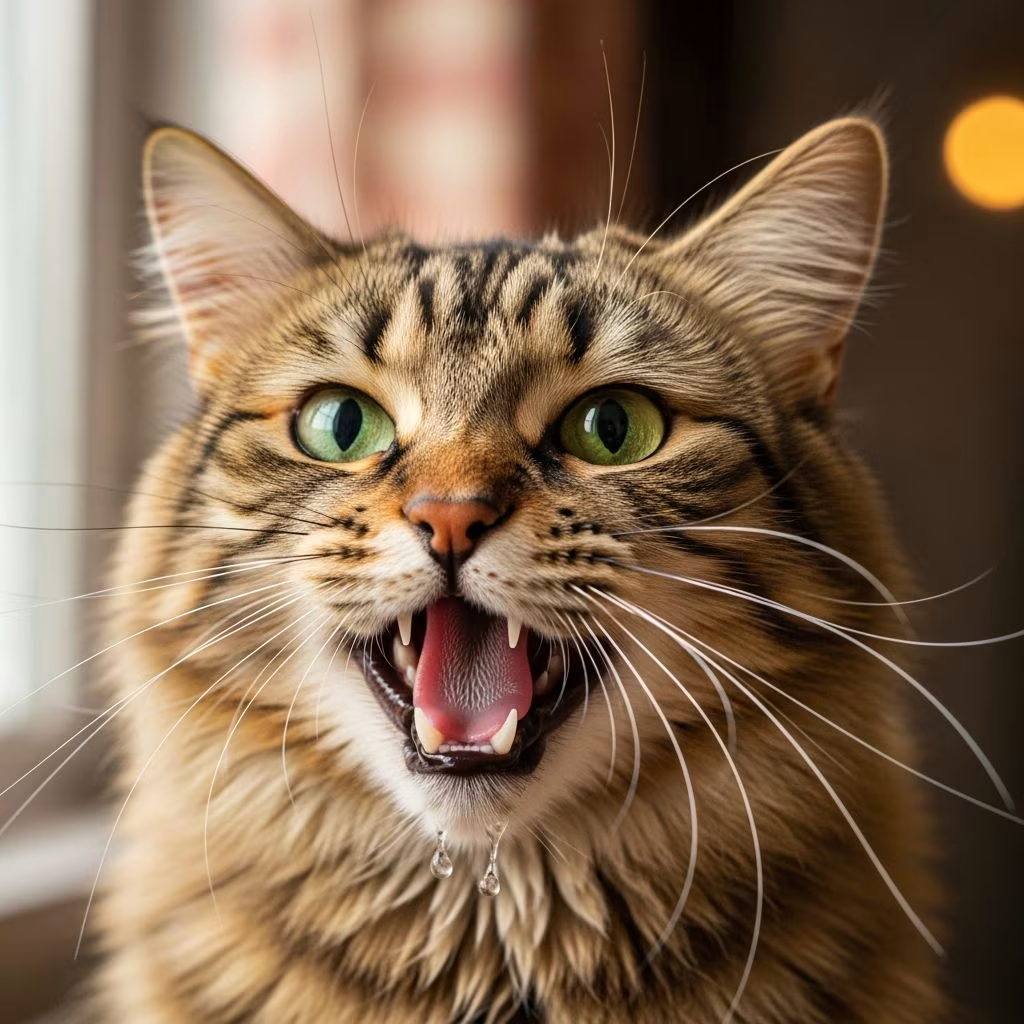
Cats communicate through a variety of vocalizations, with meowing and yowling being among the most common and noticeable. Meowing typically serves as a gentle request or greeting, while yowling—a prolonged, intense sound—often signals something more urgent like distress or hormonal urges. Understanding these sounds helps cat owners respond appropriately, whether it’s fulfilling a basic need or seeking veterinary care.
Distinguishing Meows from Yowls
Meows are short, melodic sounds cats primarily direct at humans, evolving as a way to interact with us rather than each other. Kittens meow to solicit food from their mothers, and adults retain this for attention from people. Yowls, however, are deeper, drawn-out cries resembling howls, often used between cats for territory disputes or mating. A sudden shift to yowling in a usually quiet cat warrants attention, as it may indicate pain, confusion, or stress.
- Meow characteristics: Varied pitches, used for greetings, food requests, or play invitations.
- Yowl traits: Guttural, sustained tones signaling alarm, aggression, or reproductive drives.
Common Reasons for Excessive Meowing
Daily meowing often stems from routine needs. Cats may vocalize to greet owners returning home, remind them of mealtime, or request access to another room. Boredom or loneliness can amplify this, especially in single-cat homes where interaction is limited.
| Meow Trigger | Description | Solution |
|---|---|---|
| Greeting | Short chirps upon your arrival | Acknowledge with pets or talk |
| Hunger | Insistent calls near feeding time | Maintain consistent schedule |
| Door access | Repeated meows at closed doors | Use baby gates or install pet doors |
Environmental changes, like new furniture or rearranged litter boxes, can prompt more meowing as cats adjust. Enrichment toys and routines reduce these instances.
When Yowling Indicates Mating Instincts
Unspayed females in heat produce loud caterwauls to attract mates, often rubbing against objects and rolling on the floor. Intact males respond with deep yowls, spraying urine to mark territory. These cycles recur every few weeks unless pregnancy occurs, disrupting sleep for owners.
- Signs of heat in females: Excessive rolling, loud calling, raised hindquarters.
- Male responses: Pacing, yowling at windows, aggression toward other males.
Spaying or neutering eliminates these behaviors, preventing unwanted litters and reducing cancer risks. Most vets recommend surgery around 4-6 months.
Age-Related Vocal Changes in Senior Cats
Cats over 10 years often increase vocalization due to cognitive dysfunction syndrome (CDS), akin to human dementia. Symptoms include nighttime yowling from disorientation, altered sleep patterns, and confusion in familiar spaces. Hyperthyroidism, affecting metabolism, causes restlessness and constant hunger cries despite eating more.
Hypertension, linked to kidney disease, leads to disorientation and vocal outbursts. Blind or deaf seniors meow loudly to compensate for lost senses.
Key Senior Health Issues Linked to Yowling
| Condition | Symptoms | Vet Tests Needed |
|---|---|---|
| Cognitive Dysfunction | Night yowling, pacing, house soiling | Bloodwork, neurological exam |
| Hyperthyroidism | Weight loss, hyperactivity, thirst | Thyroid hormone levels |
| Hypertension | Disorientation, vision issues | Blood pressure measurement |
Early intervention with diet, medication, or supplements can manage these. Nightlights and pheromone diffusers ease sundowning effects.
Stress and Anxiety as Vocal Triggers
Cats under stress from moves, new pets, or loud noises yowl to express fear or claim territory. Separation anxiety leads to yowling when alone, accompanied by destructive behavior. Veterinary visits or car rides provoke defensive meows and hisses.
- Common stressors: New household members, construction noise, routine disruptions.
- Body language cues: Ears back, tail twitching, dilated pupils.
Calming aids like Feliway diffusers and safe hiding spots help. Gradual desensitization works for travel anxiety.
Pain and Medical Emergencies Behind Yowls
Sudden yowling during litter box use signals urinary issues like infections or stones, causing pain on elimination. Arthritis prompts cries when jumping, while systemic diseases like kidney failure increase overall vocalization from discomfort.
Observe patterns: Yowling while pooping or eating suggests gastrointestinal or dental pain. Never give human painkillers; video symptoms for vets.
Practical Strategies to Reduce Vocalizations
Address behavioral causes first: Enrich environments with scratching posts, puzzle feeders, and play sessions to curb boredom meows. For seniors, maintain routines and use low lights at night.
- Schedule interactive play twice daily.
- Ignore attention-seeking meows; reward quiet behavior.
- Microchip doors for safe outdoor access if transitioning indoors.
- Consult vets for persistent cases, prioritizing bloodwork.
Dietary adjustments for hyperthyroid cats include prescription foods to regulate thyroid levels.
FAQs About Cat Meowing and Yowling
Why is my cat yowling at night?
Night yowling often ties to CDS in seniors, hunger, or stress. Rule out medical issues first.
Do cats yowl for attention?
Occasionally, but true yowls usually indicate deeper issues like pain over simple attention bids.
How to stop a cat from excessive meowing?
Check health, enrich environment, stick to routines. Spay/neuter if applicable.
Is yowling during pooping serious?
Yes—likely UTI or constipation. Seek vet care promptly.
Can older cats’ yowling be reversed?
Managed with meds for thyroid/hypertension and environmental tweaks for CDS.
Monitoring and When to See a Vet
Track vocal changes with a journal noting timing, duration, and context. Sudden increases, especially with appetite loss or lethargy, demand immediate vet visits. Routine senior checkups catch issues early.
By decoding these sounds, owners foster stronger bonds and ensure cat well-being. Proactive care turns disruptive yowls into contented purrs.
References
- What Does Cat Yowling Mean? Is It Pain or Stress? — Lady N Pet. 2023. https://ladynpet.com/us/blog/cat-yowling/
- Meowing and Yowling — Alley Cat Rescue. 2024. https://www.saveacat.org/meowing-and-yowling.html
- Why Is My Cat Meowing So Much? — PetMD. 2025-01-15. https://www.petmd.com/cat/behavior/cat-meowing
- Why Cats Meow and Yowl Excessively — Preventive Vet. 2024. https://www.preventivevet.com/cats/excessive-meowing-and-yowling-in-cats
- The Cat’s Meow! Caterwauling in Cats — VCA Animal Hospitals. 2023-06-01. https://vcahospitals.com/know-your-pet/the-cats-meow-caterwauling-in-cats



