

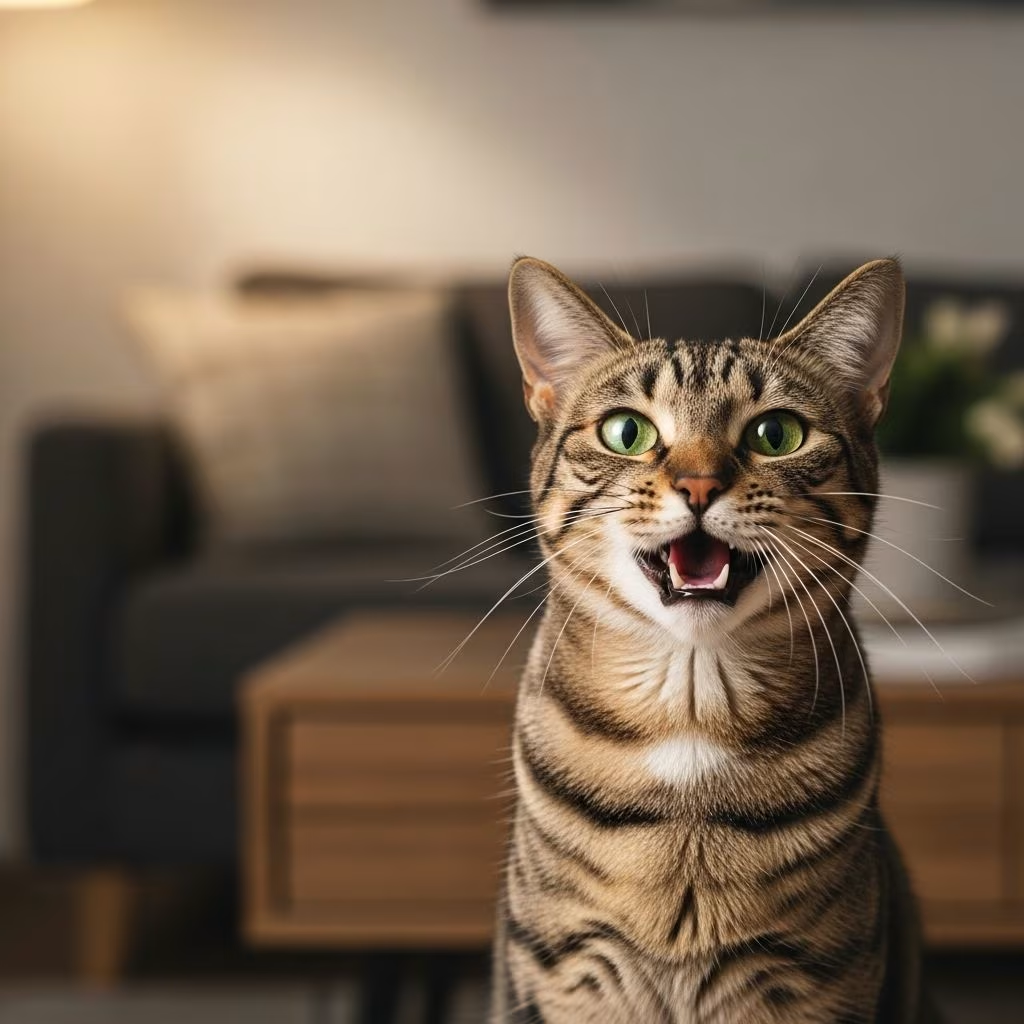
Cats communicate through a variety of vocalizations, but when meowing becomes frequent and persistent, it can disrupt daily life for both pet and owner. Understanding the underlying causes helps in addressing the issue effectively, whether it’s a simple behavioral habit or a sign of something more serious.
Understanding Feline Vocal Communication
Meowing is primarily a language cats use with humans rather than each other. Kittens meow to solicit care from their mothers, and adult cats adapt this to interact with people. While occasional meows are normal for greetings, requests for food, or play invitations, excessive vocalization often points to unmet needs or discomfort.
Breeds like Siamese are naturally more vocal due to genetics, but any cat can develop this habit if reinforced by owner responses. Observing the timing, tone, and context of meows provides clues: hungry cries are insistent, while pain-related ones may sound hoarse or urgent.
Everyday Reasons for Increased Meowing
Many cases stem from routine needs that owners can easily resolve. Cats quickly learn that meowing prompts action, creating a cycle of vocal demands.
- Hunger or Feeding Schedule Issues: Cats may meow loudly before meals if portions are insufficient or timing is inconsistent. Automatic feeders can help maintain regularity.
- Desire for Affection or Play: Bored indoor cats vocalize to request interaction. Short daily play sessions with toys reduce this.
- Litter Box Dissatisfaction: A dirty or unappealing box prompts complaints. Scoop daily and provide options in multi-cat homes.
- Greeting and Social Bonding: Meows upon your return signal happiness and a desire for connection.
To curb learned behaviors, ignore non-urgent meows and reward quiet moments with attention. Consistency prevents escalation.
Health Problems Triggering Vocal Outbursts
Sudden or intense meowing often indicates pain, illness, or discomfort. Veterinary evaluation is essential if accompanied by other symptoms.
| Condition | Symptoms | Why It Causes Meowing |
|---|---|---|
| Hyperthyroidism | Weight loss, increased thirst/appetite, restlessness | Overactive thyroid boosts energy and anxiety, leading to vocalization, especially in seniors |
| Kidney Disease | Excessive thirst/urination, appetite loss | Restlessness and nausea prompt cries for help |
| Urinary Tract Infections | Frequent box visits, straining | Pain during elimination causes distress calls |
| Hypertension | Lethargy, blindness signs | Discomfort increases insistent meowing |
| Dental Disease/Arthritis | Eating difficulties, limping | Chronic pain elicits low-pitched moans |
Blood tests and exams diagnose these; early treatment improves quality of life. Hoarse meows may signal respiratory infections or laryngitis, requiring prompt care.
Stress and Environmental Factors
Cats thrive on stability, and disruptions provoke anxiety-driven meowing. Common triggers include household changes that unsettle their territory.
- New pets, babies, or visitors disrupt harmony.
- Moving homes or routine shifts cause disorientation.
- Loud noises like fireworks or construction heighten fear.
Signs of stress include hiding, aggression, or overgrooming alongside vocalization. Create safe retreats with pheromone diffusers, vertical spaces, and consistent schedules to alleviate this.
Effects of Aging on Cat Vocalization
Older cats (over 10 years) may meow more due to cognitive dysfunction syndrome (CDS), akin to human dementia. Nighttime wandering and confusion lead to persistent calls.
Sensory losses like deafness or blindness also increase volume and frequency, as cats compensate by vocalizing louder. Arthritis pain exacerbates this in seniors. Supplements, nightlights, and vet-prescribed diets support cognitive health.
Hormonal Influences in Intact Cats
Unspayed females yowl during heat cycles, becoming affectionate and restless. Unneutered males vocalize to attract mates or mark territory. Spaying/neutering eliminates these instincts, reducing noise and health risks like cancers.
When to Consult a Veterinarian
Seek professional help if meowing:
- Starts suddenly or intensifies.
- Comes with appetite changes, vomiting, or lethargy.
- Persists despite meeting basic needs.
- Features unusual tone or timing, like constant night cries.
Routine checkups rule out issues; behaviorists address complex cases.
Practical Strategies to Reduce Meowing
Combine environmental tweaks, training, and health checks for best results.
- Enrich Environment: Puzzle feeders, scratching posts, and window perches combat boredom.
- Establish Routines: Fixed feeding/play times build security.
- Use Positive Reinforcement: Treat quiet behavior; avoid rewarding cries.
- Implement Calming Aids: Feliway diffusers mimic soothing scents.
- Monitor Diet: High-quality food prevents hunger-driven meows.
Patience yields results; track patterns in a journal for vet insights.
FAQs
Why does my cat meow at night?
Night meowing often ties to hunger, CDS in seniors, or stress. Ensure dinner isn’t too early and provide low-light comfort.
Is excessive meowing a sign of pain?
Yes, especially with low/hoarse tones. Conditions like UTIs or arthritis cause distress vocalizations.
Can diet affect cat meowing?
Insufficient nutrition or allergies prompt hunger cries. Wet food aids hydration, reducing kidney strain.
Do all cat breeds meow equally?
No; vocal breeds like Siamese chat more, but environment influences any cat.
How long before seeing a vet for meowing?
If new/persistent with symptoms, within 24-48 hours.
References
- Why is My Cat Meowing so Much? — West Loop Vet. 2023. https://westloopvet.com/blog/why-is-my-cat-meowing-so-much/
- Why Is My Cat Meowing So Much? – Understanding Feline Vocalization — Star of Texas Vet. 2024. https://staroftexasvet.com/why-is-my-cat-meowing-so-much-understanding-feline-vocalization-and-what-it-means/
- Why Is My Cat Meowing So Much? — PetMD. 2025-01-15. https://www.petmd.com/cat/behavior/cat-meowing
- Why does my cat meow so much? 7 Causes and solutions — Riverwood Pet Food. 2023. https://www.riverwoodpetfood.com/en/blogs/why-does-my-cat-meow-so-much-7-causes-and-solutions
- Why Does My Cat Meow So Much? — Best Friends Animal Society. 2024. https://bestfriends.org/pet-care-resources/why-does-my-cat-meow-so-much
- Meowing and Yowling — ASPCA. 2023. https://www.aspca.org/pet-care/cat-care/common-cat-behavior-issues/meowing-and-yowling



