
Why Cats Meow Excessively
Discover the hidden reasons behind your cat's constant meowing and learn how to address it effectively for a happier pet.
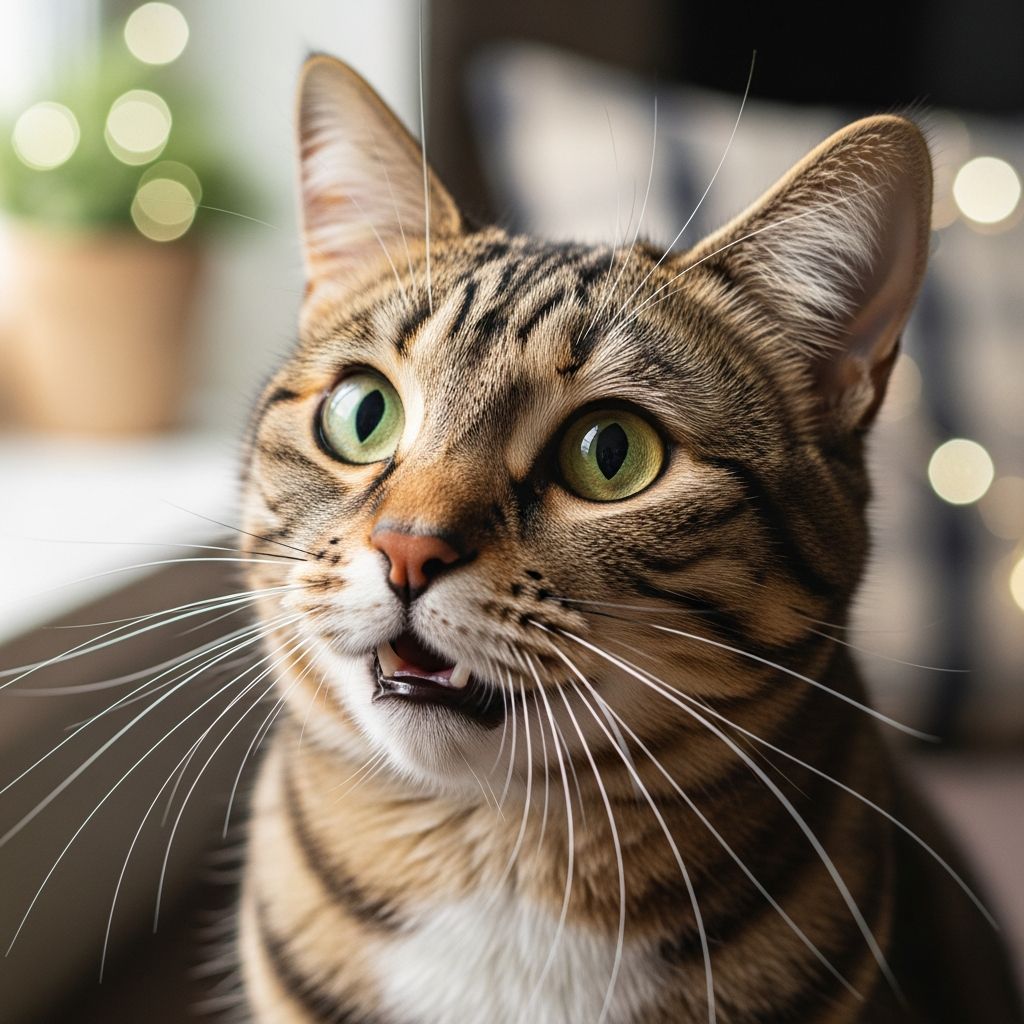
Cats communicate through a variety of vocalizations, but when meowing becomes frequent and intense, it can disrupt household peace and indicate underlying problems. Understanding the distinction between normal chatter and excessive noise is key to your cat’s well-being. This article delves into the primary causes, from health-related issues to environmental factors, and provides actionable steps for resolution.
Recognizing Normal vs. Problematic Vocalization
Cats typically meow to greet owners, solicit food, or express mild discomfort. However,
excessive meowing
involves persistent, loud, or distressed sounds that persist despite meeting basic needs like feeding and litter access. Watch for patterns such as nighttime outbursts or sudden onset, which often point to medical concerns rather than mere attention-seeking.Behavioral norms vary by breed and age; Siamese cats, for instance, are naturally more vocal. A shift from baseline behavior warrants attention, especially in seniors over 7 years.
Common Medical Triggers for Increased Meowing
Health issues frequently underlie vocal changes. Conditions causing discomfort, metabolic shifts, or neurological effects prompt cats to vocalize more urgently.
Hyperthyroidism: A Leading Culprit in Older Cats
**Hyperthyroidism** tops the list for senior cats, where an overactive thyroid floods the body with hormones, accelerating metabolism. Affected cats exhibit restlessness, leading to frequent meowing, often at night. Symptoms include weight loss despite ravenous hunger, excessive thirst and urination, vomiting, diarrhea, and unkempt fur. Untreated, it risks high blood pressure and heart complications.
Diagnosis involves blood tests measuring thyroid levels, with treatments like medication, radioactive iodine, or specialized diets proving effective. Early intervention restores calm.
Pain and Discomfort Signaling Distress
Cats in pain vocalize with low, urgent tones, especially during movement or litter use. Common sources include:
- Arthritis: Joint pain in seniors hinders mobility, prompting cries when jumping or settling.
- Dental Issues: Infections, fractures, or lesions cause eating and grooming aversion, leading to meows.
- Urinary Problems: Infections or blockages (emergencies in males) cause litter-box cries.
- Gastrointestinal Distress: Constipation, IBD, or pancreatitis triggers abdominal discomfort meows.
Accompanying signs like hiding, limping, or appetite loss demand prompt veterinary exams.
Hypertension and Kidney Disease
High blood pressure, often linked to hyperthyroidism or kidney issues, induces disorientation and incessant meowing. Kidney disease adds thirst, urination increases, and restlessness. Regular blood pressure checks and bloodwork are essential for seniors.
Age-Related Cognitive and Sensory Declines
Senior cats face brain and sense changes mimicking human aging woes.
Cognitive Dysfunction Syndrome (CDS)
Like Alzheimer’s, CDS causes confusion, nighttime vocalization, sleep disruption, and social shifts. Disoriented cats meow to seek reassurance or navigate familiar spaces. Management includes enriched environments, consistent routines, and vet-prescribed supplements.
Sensory Impairments
Vision loss from cataracts or glaucoma, and hearing decline, heighten anxiety, amplifying meows for location or comfort. Adapt homes with scent markers, low lights, and predictable sounds.
Behavioral and Environmental Contributors
Not all excessive meowing stems from illness; stress plays a role.
- Attention-Seeking: Learned behavior where meows yield food or pets reinforces the habit.
- Hunger or Routine Changes: Inconsistent feeding or new homes spikes vocal demands.
- Stress/Anxiety: New pets, moves, or isolation prompt yowling.
- Heat Cycles: Unspayed females yowl during estrus.
Breeds like Orientals are chattier by nature, but sudden increases still merit checks.
Step-by-Step Diagnosis Guide
Systematically rule out issues:
- Observe Patterns: Note timing, tone, and triggers (e.g., litter attempts).
- Check Basics: Ensure food, water, clean litter, and quiet rest spots.
- Full Exam: Vet visit for bloodwork, blood pressure, urinalysis, and pain assessment.
- Senior Screen: Thyroid, kidney, and CDS tests for cats over 7.
- Imaging if Needed: For neurological suspicions.
| Symptom Cluster | Possible Cause | Next Action |
|---|---|---|
| Weight loss + hunger + thirst | Hyperthyroidism | Blood thyroid test |
| Limping + hiding + low meows | Pain (arthritis/dental) | Physical/oral exam |
| Night crying + confusion | CDS or hypertension | Senior wellness panel |
| Litter cries + straining | UTI/blockage | Urgent vet visit |
Treatment and Management Strategies
Tailor solutions to the root cause:
- Medical: Meds for thyroid/hypertension; pain relief for arthritis.
- Environmental: Pheromone diffusers, vertical spaces, play routines reduce stress.
- Dietary: Thyroid-control food; high-moisture for kidneys.
- Behavior Mod: Ignore attention meows; reward quiet.
Spay/neuter prevents heat-related yowls.
Preventive Care for Vocal Health
Annual senior exams (twice yearly post-7) catch issues early. Maintain weight, dental hygiene, and mental stimulation via toys/puzzles. Monitor for changes promptly.
Frequently Asked Questions (FAQs)
Is excessive meowing always a health problem?
No, but rule out medical causes first, especially sudden or senior-onset.
When is nighttime meowing an emergency?
If paired with straining, vomiting, or lethargy—seek immediate care.
Can diet help hyperthyroid meowing?
Yes, prescription diets limit thyroid uptake, easing symptoms.
How to quiet an attention-seeking cat?
Feed on schedule, ignore meows, provide enrichment.
Do all old cats meow more?
Not all, but CDS/hyperthyroidism affects many; screening helps.
References
- What Does Excessive Meowing Mean in Cats — WebMD. 2023. https://www.webmd.com/pets/cats/cats-excessive-meowing
- Why Is My Cat Meowing So Much? Understanding Feline Vocalization — Star of Texas Veterinary Hospital. 2024. https://staroftexasvet.com/why-is-my-cat-meowing-so-much-understanding-feline-vocalization-and-what-it-means/
- Why Is My Cat Meowing So Much? — PetMD. 2024. https://www.petmd.com/cat/behavior/cat-meowing
- What’s Your Cat Trying to Tell You? Causes of Constant Meowing — Carolina Veterinary Specialists. 2023. https://carolinavirginiavet.com/whats-your-cat-trying-to-tell-you-causes-of-constant-meowing/
- Why Is My Cat Meowing So Much? Exploring Excessive Vocalization — Advanced Veterinary Medical Center. 2024. https://advancedvmc.net/why-is-my-cat-meowing-so-much-exploring-excessive-vocalization-in-cats/
- Meowing and Yowling — ASPCA. 2024. https://www.aspca.org/pet-care/cat-care/common-cat-behavior-issues/meowing-and-yowling
Similar Articles








Read full bio of medha deb




